On opening night of Monktoberfest, I caught a quick photo of the four authors of the new Progressive Delivery book on a boat in Casco Bay – Heidi Waterhouse, Kim Harrison, Adam Zimman, and James Governor. I added it to a thread Heidi posted to Bluesky about the book launch.
I would have written alt text for that photo. I’m in the habit for the most part and do my best to think about others. But for a quick reply post? The mental overhead often adds more friction than the value of the reply, slowing me down enough that I will sometimes consider skipping it. With AI, it took seconds.
When I post photos to Bluesky, I use a custom prompt/GPT to write the alt text. It describes what’s in the image, how it feels, and what someone who can’t see it might want to know. It’s a really basic prompt and I’m sure there are a bunch more like it out there. Here it is for reference:
Create alt text for images posted to this chat. Review the image and provide descriptive text that helps a user with no or limited sight understand and experience the visual image. The description must fit in 2,000 characters.
This sounds trivial until you realize how rarely it happens. Most images posted online have no alt text at all. Not because people don’t care about accessibility, but because describing an image takes mental energy that’s already been spent capturing and posting it. The moment has passed.
For me, AI removes that friction. I upload an image, the system drafts a description, I tweak it if necessary. It’s a quick trip from finder to AI to post. Suddenly accessibility becomes the default.
When I was more active than I am today on Mastodon’s Hachyderm instance, this was built right into the image upload. One click. The AI-assisted descriptions made that norm easy to follow.
Now personal prompts and custom GPTs make this available anywhere. Don’t get me wrong: AI can’t replace the human eye and brain. It sometimes misses nuance, gets details wrong, can’t read tone the way you intended (or numbers and letters; but I digress). But it gives you a starting point.
Here’s what changes: when you add alt text consistently, you start noticing when others don’t. You see how many images float through your feed inaccessible to screen readers, meaningless to anyone who can’t see them. You realize how much gets shared with the assumption that everyone experiences it the same way.
This is what good technology does. It removes the small obstacles that keep good intentions from becoming consistent practice.
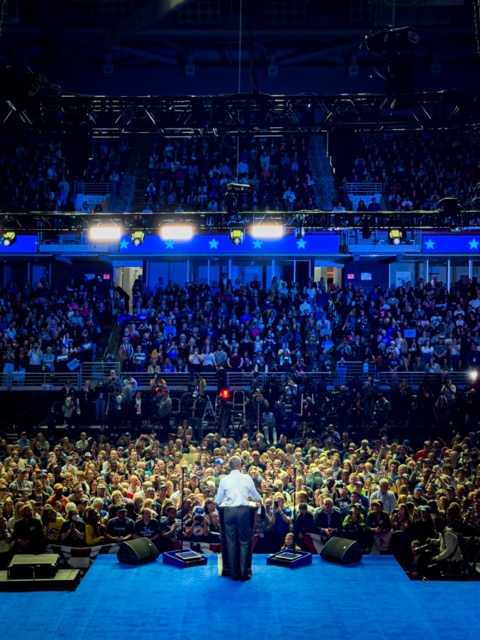
I’ve had some luck as a photographer. A portrait I shot once graced a big Times Square billboard. An image I captured at a student rally made its way into The New York Times. I’ve been in position to capture Tour de France winners, Broadway stars, and even a former President. But if you had told me one of my images would someday be used in the opening credits of a documentary series directed by bona fide Hollywood legends, I’d have laughed.
Yet, here I am.
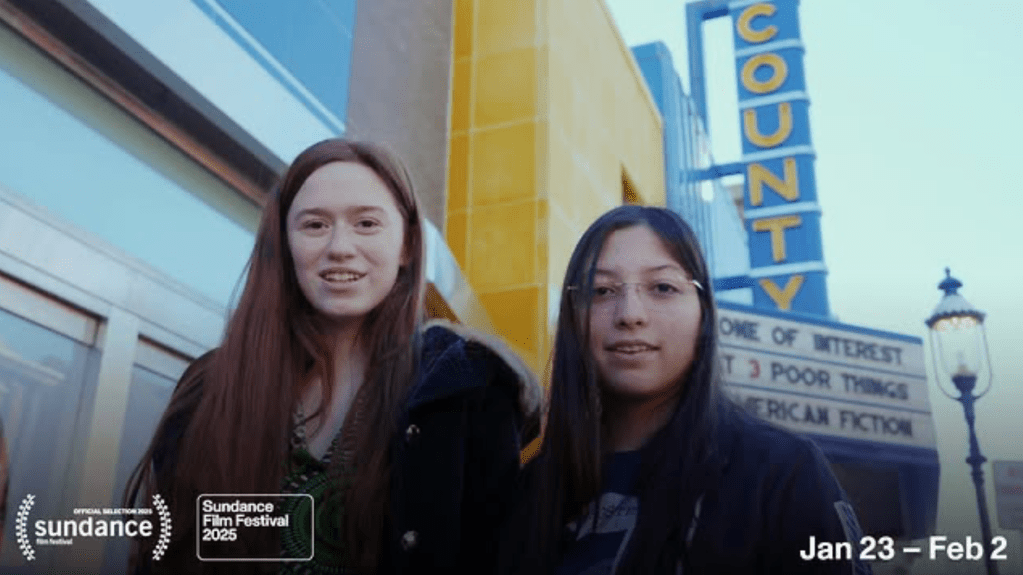
About a month ago, my phone buzzed (I’m old, but I’m not ringer-on old). It was my friend Tom, asking if I could do a quick shoot for a project he’d been working on. For the past few years, Tom has been part of a talented team of filmmakers creating a multi-part documentary series based in our hometown of Doylestown and the surrounding area. The series, Bucks County, USA, dives deep into the divisions and tribalism plaguing the nation.
Evi and Vanessa, two 14-year-olds living in Bucks County, Pennsylvania, are best friends despite their opposing political beliefs. As nationwide disputes over public education explode into vitriol and division in their hometown, the girls and others in the community fight to discover the humanity in “the other side.”
It premiered this week at the Sundance Film Festival. The documentary is co-directed by the legendary Barry Levinson—Academy Award winner for Rain Man—and Robert May, producer of The Station Agent and executive producer of the Oscar-winning documentary The Fog of War.
One of the images I created serves as the backdrop for the opening title credits. Having a frame I created play a small role in a film premiering at Sundance is an honor beyond words. But what’s even more meaningful is playing a small part in amplifying this important, timely story.
(Note: The header image for this post is from the Sundance program.)
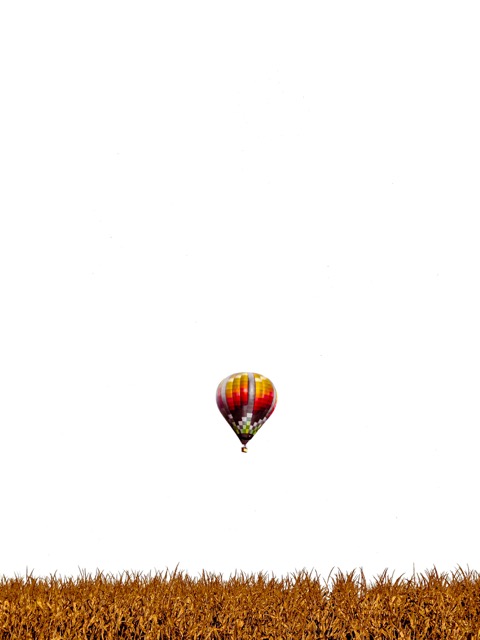
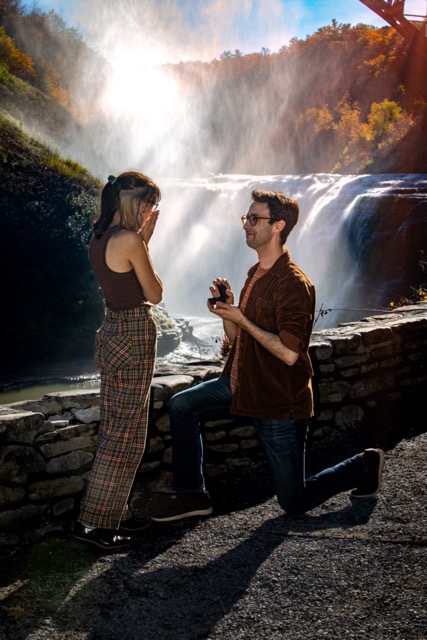
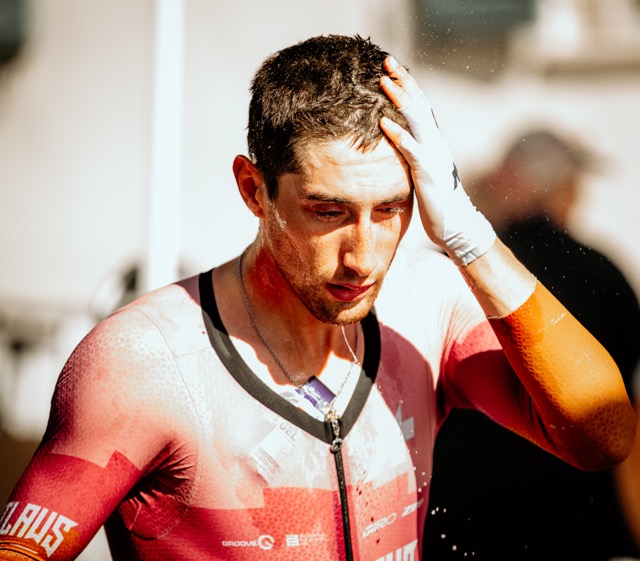
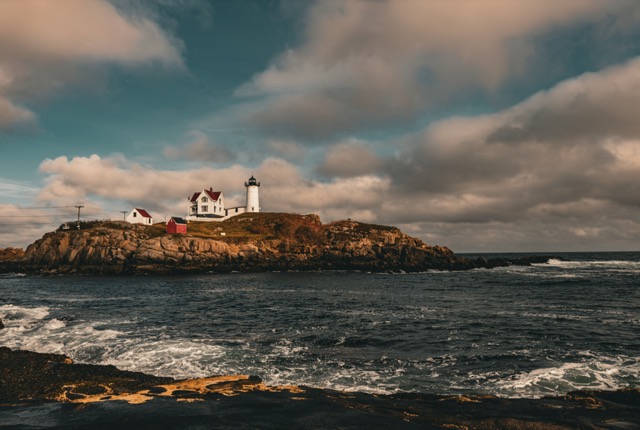
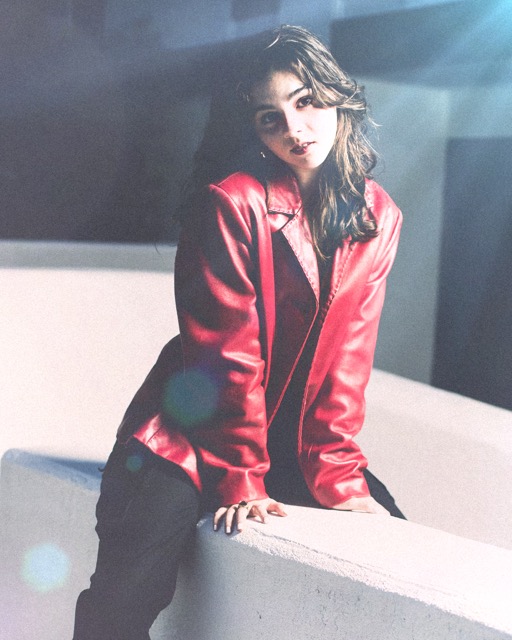
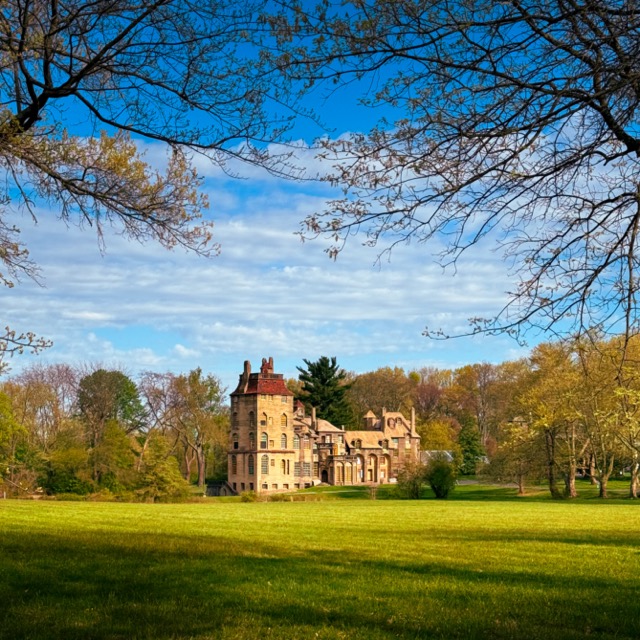
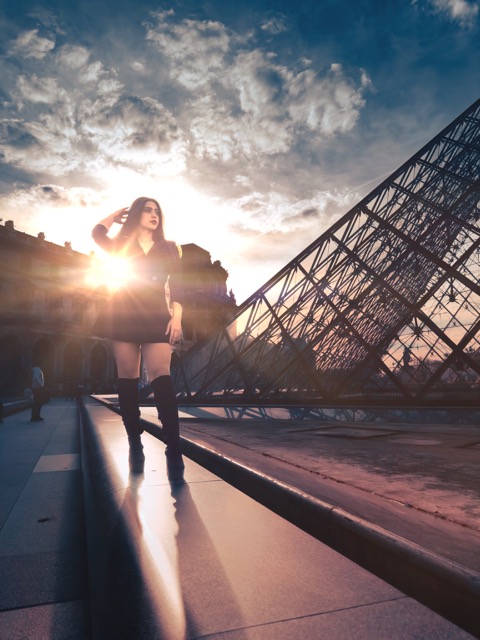
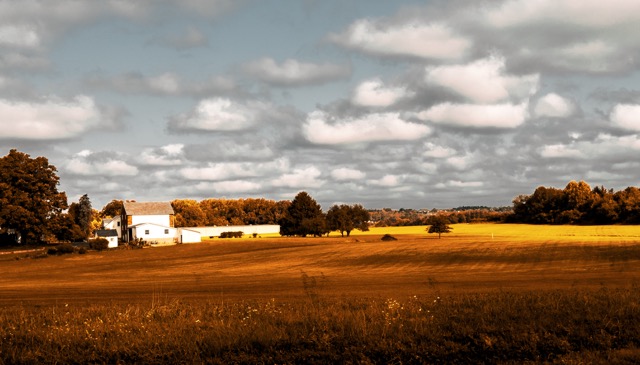
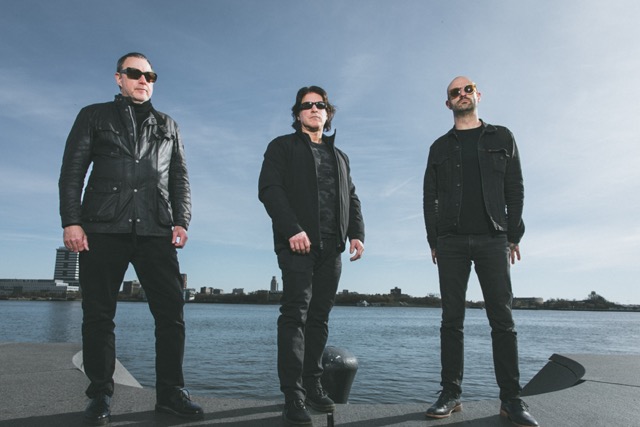
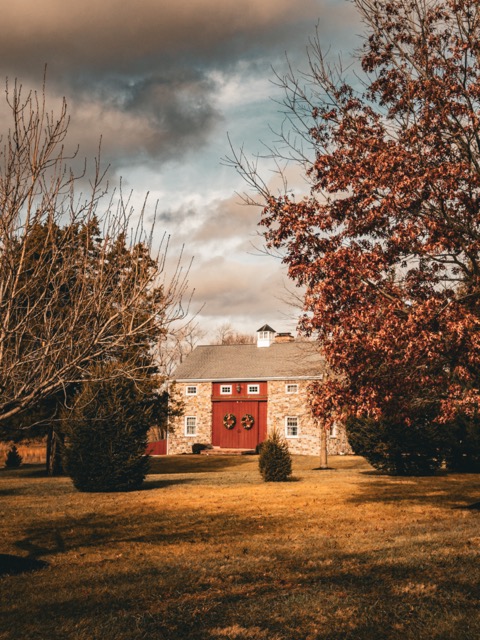
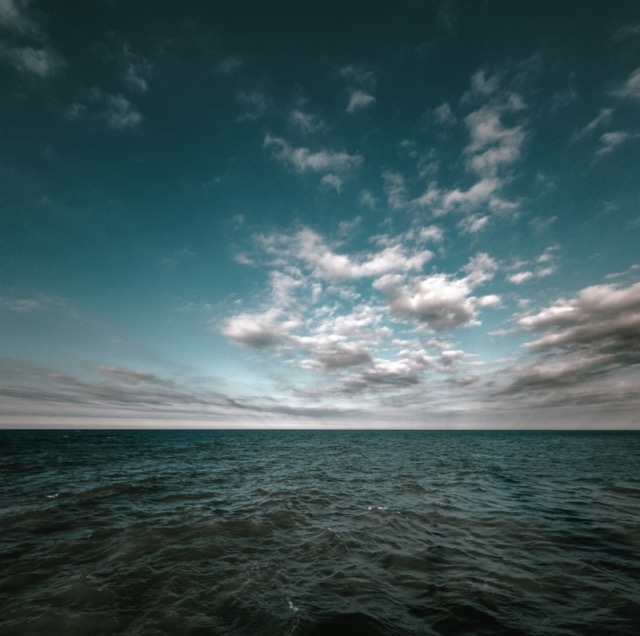
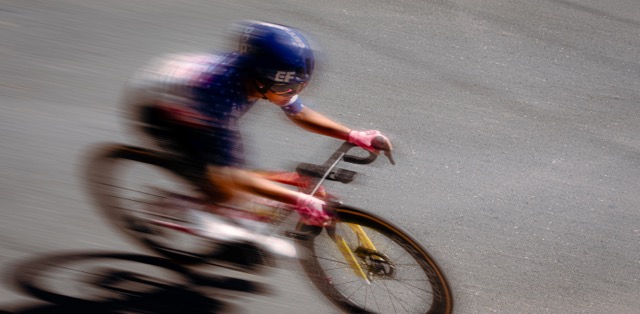
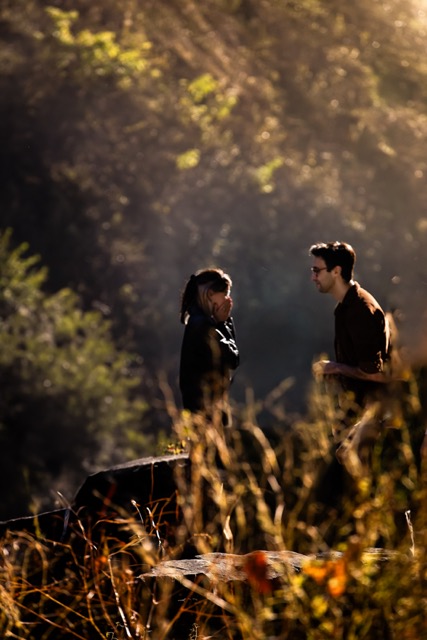
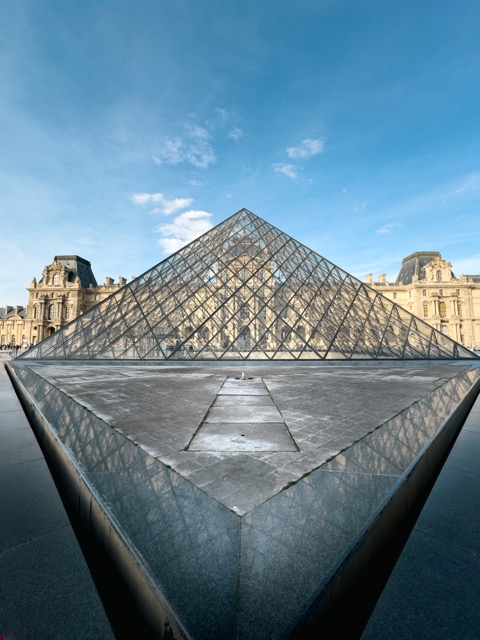
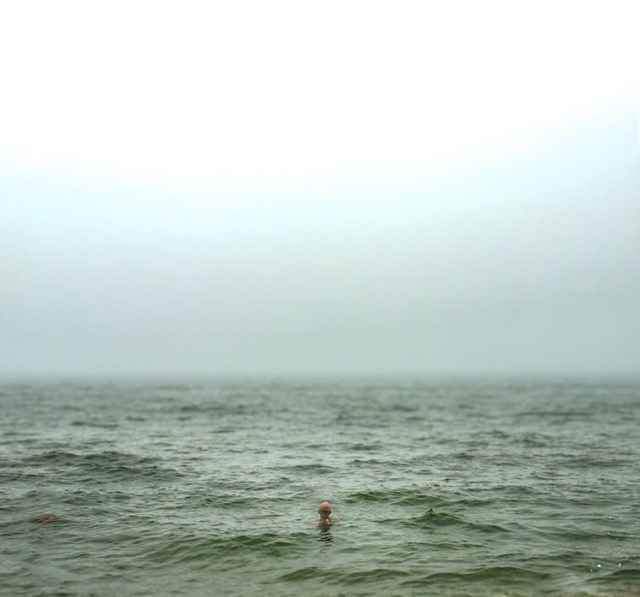
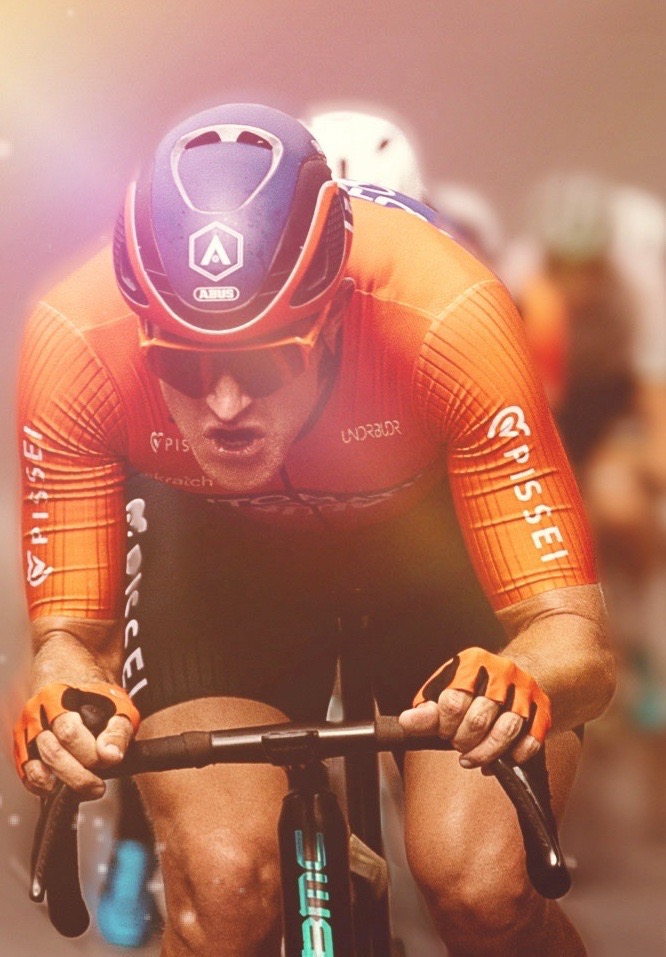
It was another mixed bag behind the lens this year. I had the opportunity to work with some amazing subjects — rock bands, an impromptu modeling session at the pyramid in front of the Louvre, an Up-like hot air balloon in upstate New York, a memorable capture of a former President, seascapes in Maine, landscapes around Bucks County, national and World Champion bike racers, and one very, very special marriage proposal.
I did my best to whittle this year’s best down, but figure a top 55 for my 55 years on this big old space rock does the trick. I hope you enjoy.
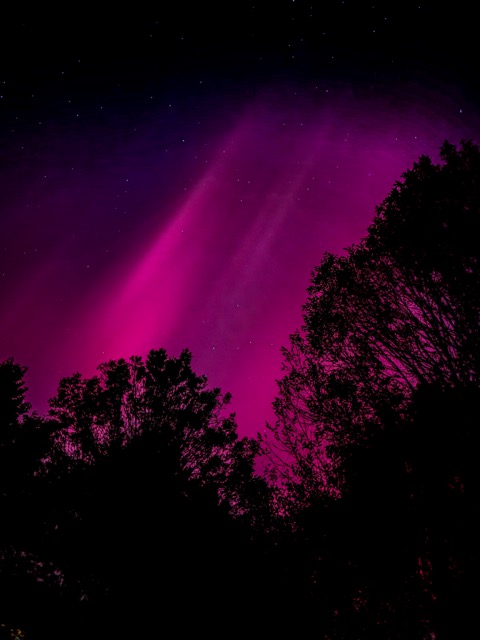
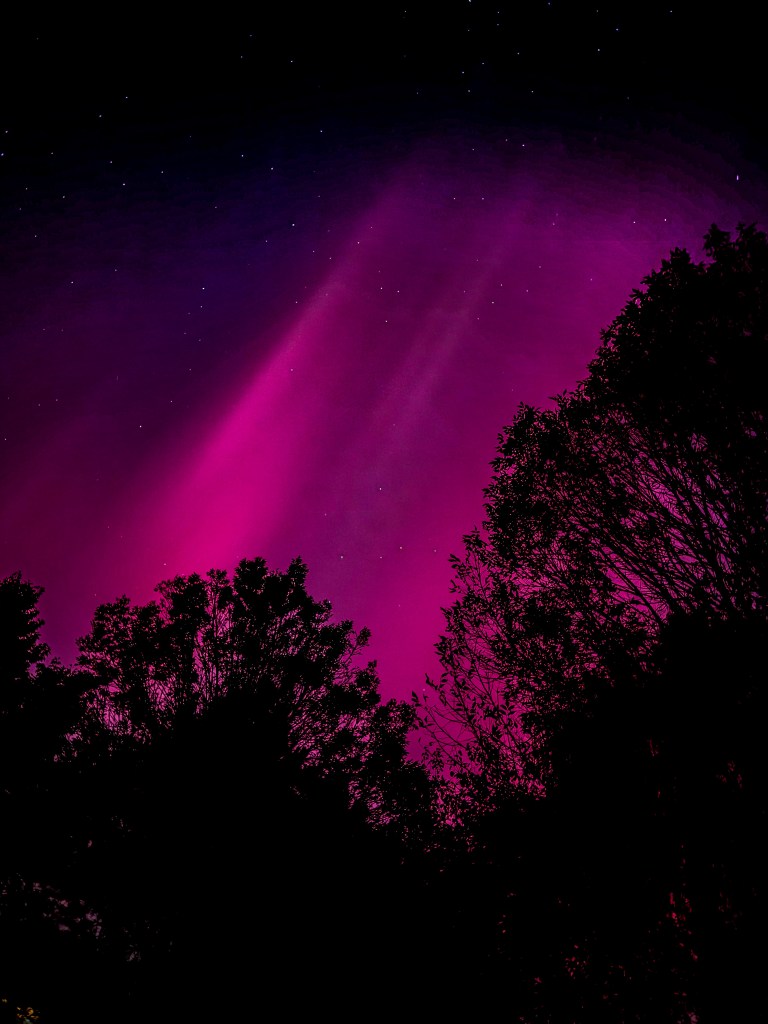
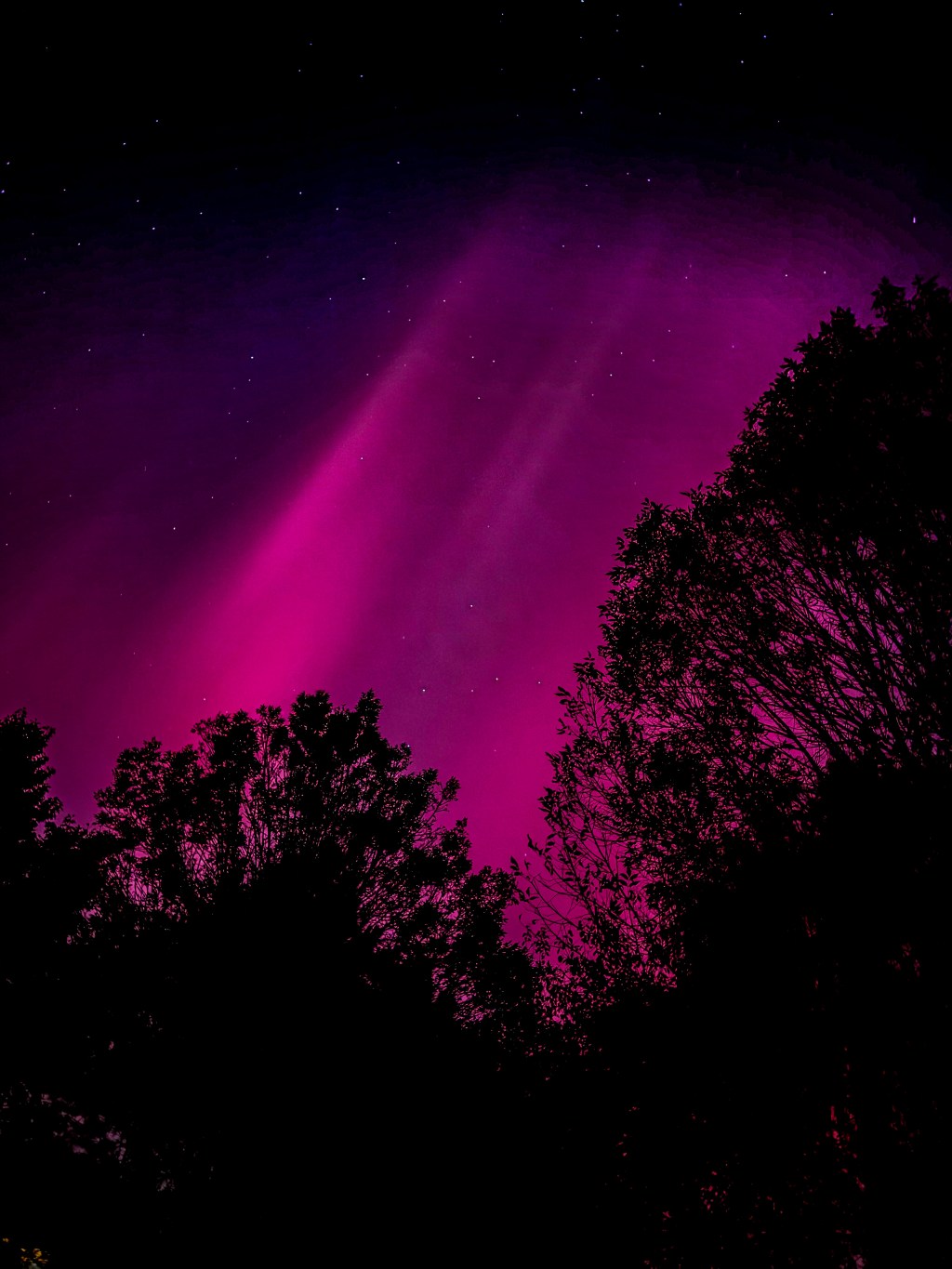
Maybe it’s just the jolt from that first sip of coffee this morning, but two things stuck in my brain from last night’s spectacular light show by Ma Nature:
1. It was a collective, shared experience that echoed the unity in the early days of the pandemic lockdowns.
2. Apple could not have scripted a better global ad for the iPhone’s camera capabilities.
The cosmos and technology never cease to amaze and inspire me.
Marshall McLuhan would have loved this thread I saw on Reddit this morning.
Throughout my career, I’ve told stories using words, weaving sentences with nouns, verbs, and the occasional sprinkle of adjectives and adverbs to infuse them with a little creative flourish. When I’m not storytelling for the ear — which is how I like to write — I get behind the lens of my camera to tell stories for the eye. The two crafts share common ground. Each is an art form whose ultimate goal lies in making another human feel something.
As the curtain falls on 2023, I find myself in the familiar territory of retrospection, sifting through images that have defined my year as a photographer. Narrowing them down to a traditional Top 10 was a struggle. A struggle in which I failed miserably.
This year marked a significant shift in my photographic tools. While my trusty Canon often took a backseat, the iPhone 15 Pro Max emerged as a surprising daily go-to camera. Its 120mm zoom was a revelation and the one thing that held back previous versions from taking a stronger hold in my quiver. It really changed how I shoot and what I see. Is it perfect yet? No, but the iPhone is a game changer.
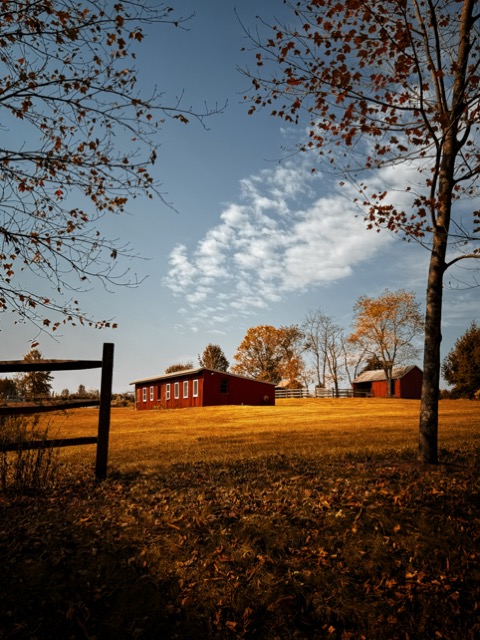
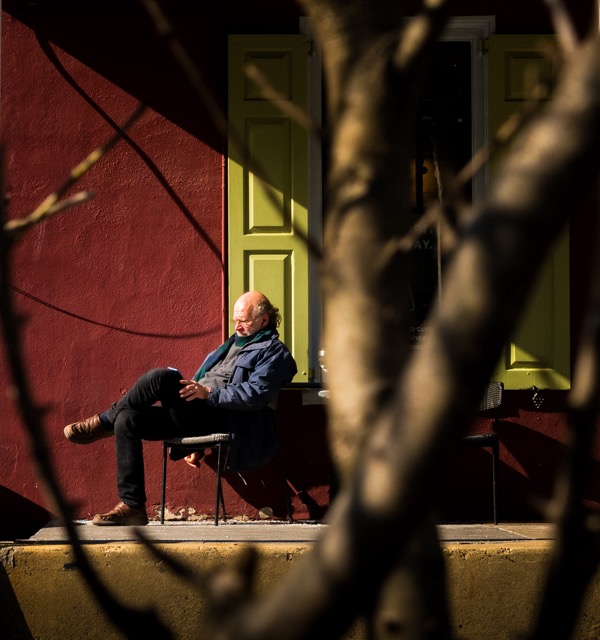
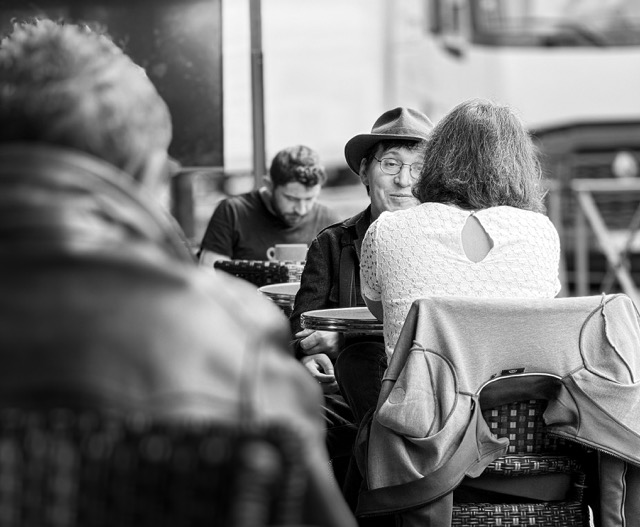
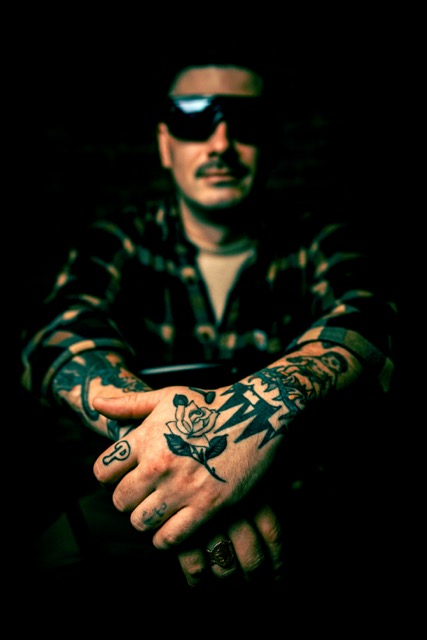
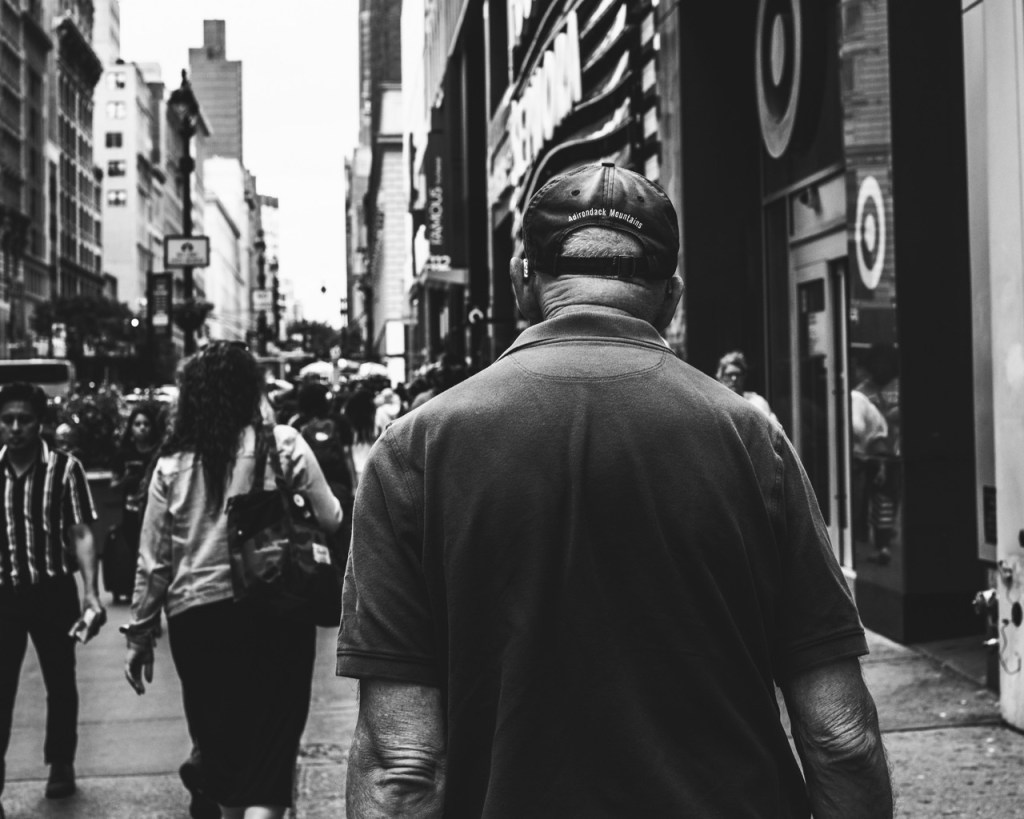
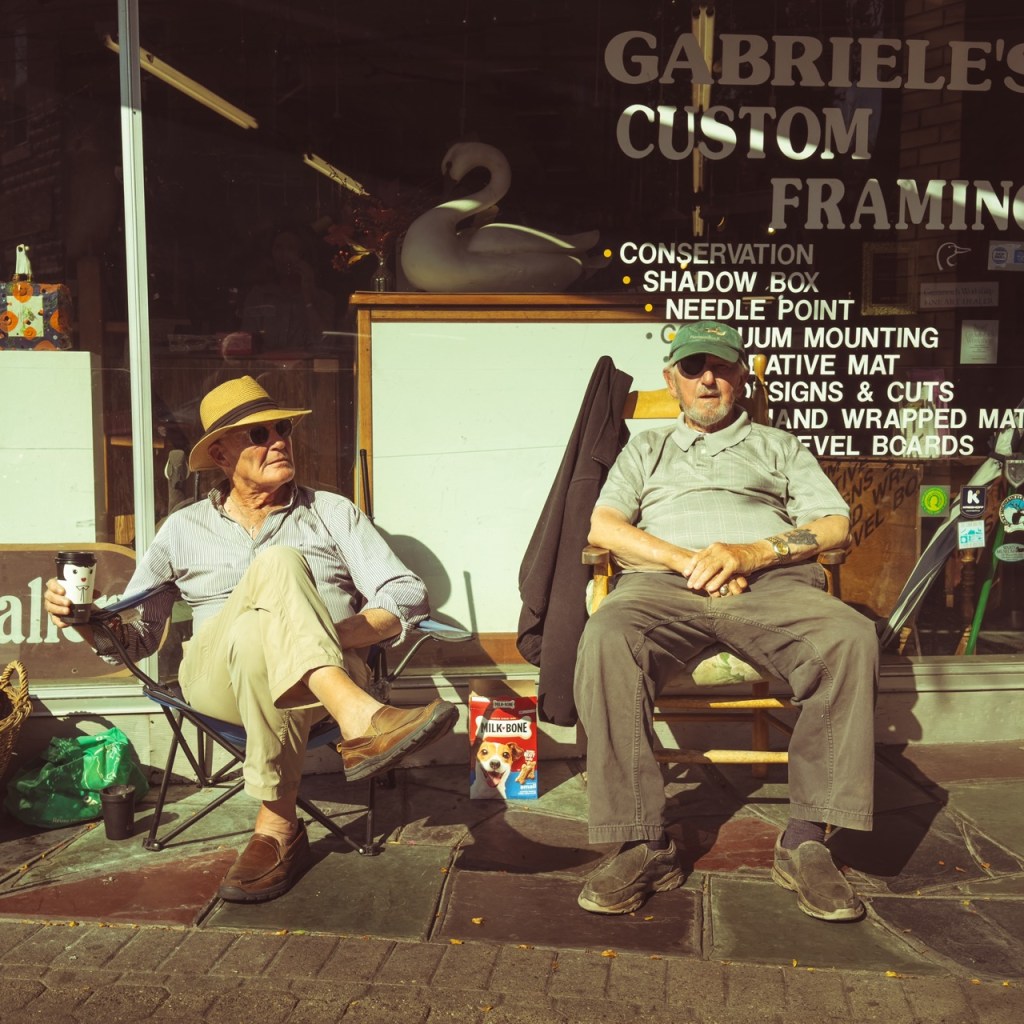
My portfolio this year reflects a diverse collection of moments and experiences. In the studio, the precise control of off-camera flash melded with the subtleties of natural light to create a number of portraits that rise to the top of my portfolio. The streets, always a canvas for unscripted stories, came alive under my lens, each scene a raw and unfiltered slice of life. Exploring low light and abstract subjects pushed my creative boundaries, while the majestic scenes provided by Mother Nature were a reminder of the ever-present beauty in our world and in my own backyard. The Bucks County Classic, true to tradition, added more favorites to my collection.
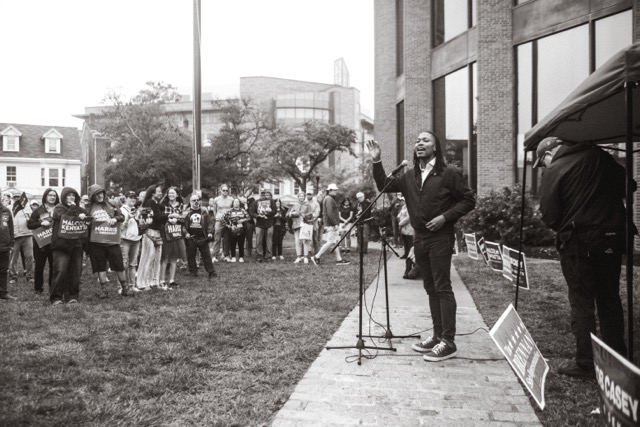
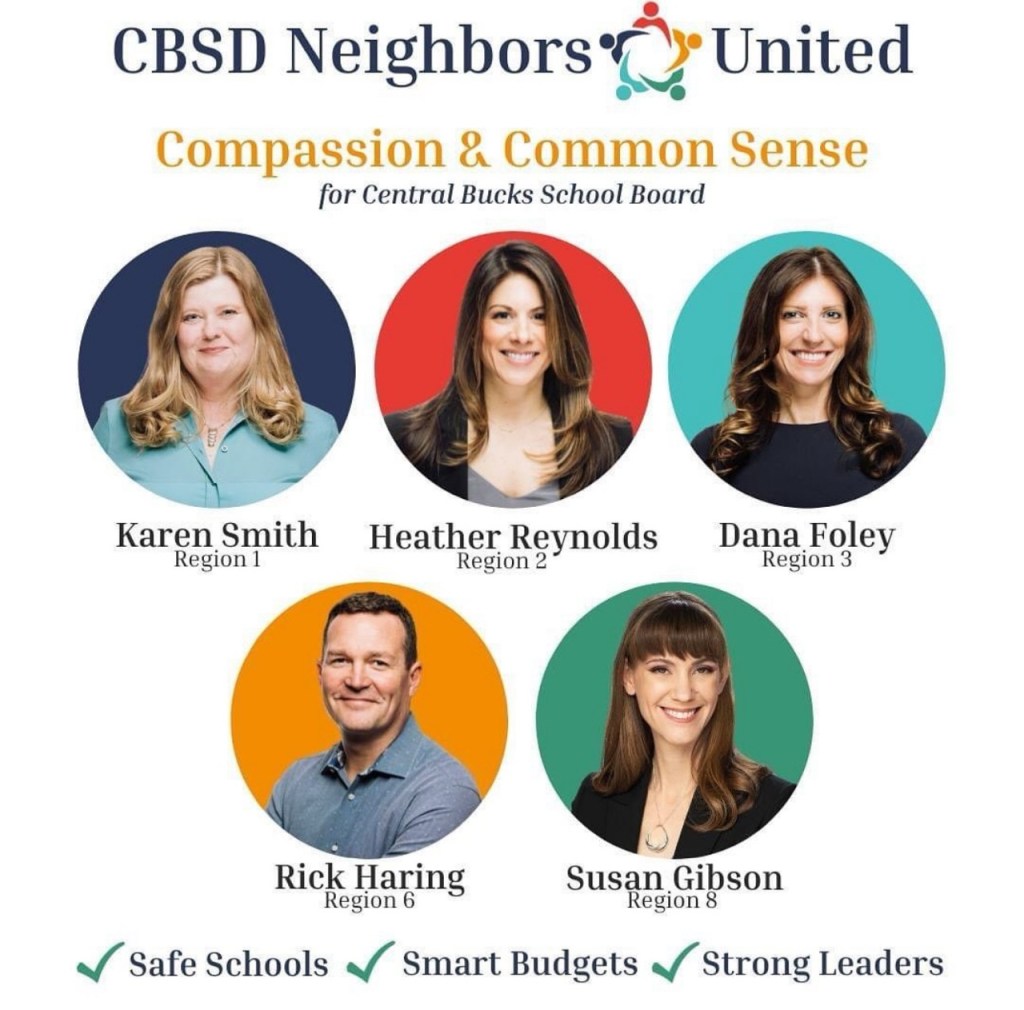
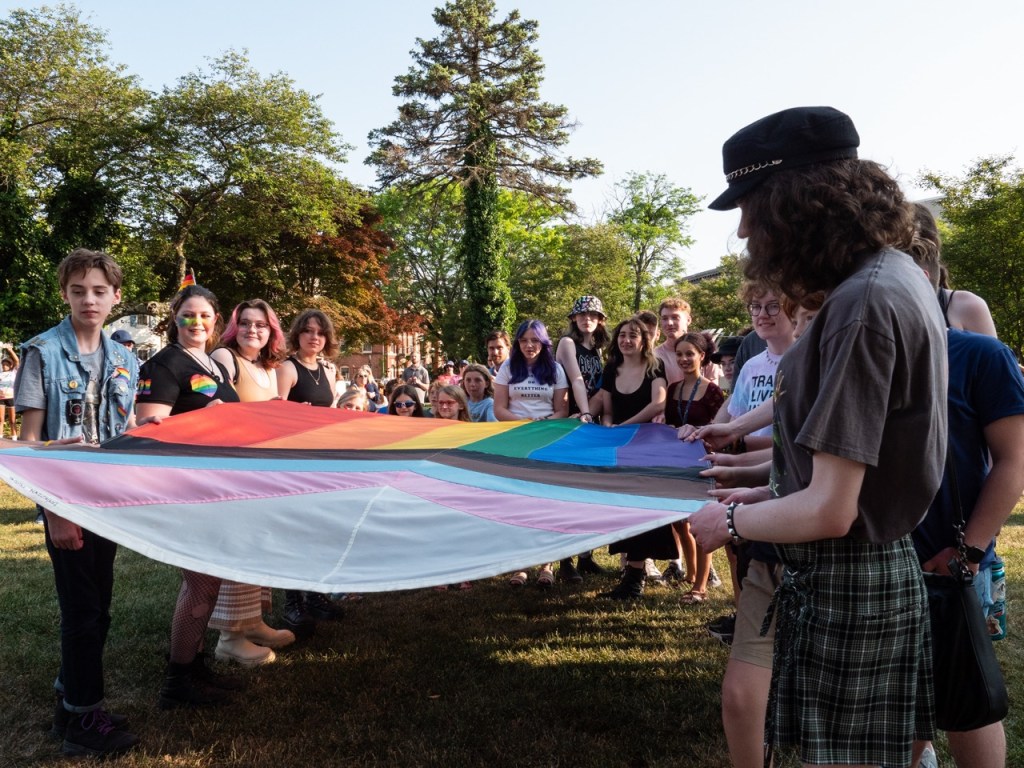
A highlight of the year was seeing my photographs play a role in a hard-fought school board campaign that drew national attention. This experience was more than just an ego boost; it was a powerful reminder of the influence and inspirational capacity of photography.
I’m excited for what 2024 holds. I’m ready for new creative challenges and fresh perspectives. Here’s to capturing more compelling stories in the year ahead.
There’s an ongoing debate in photography about whether a photographer takes or makes a photograph. I’d argue celebrity photographer Greg Williams puts it to rest with this quote:
“Sometimes you take a picture, sometimes you create a picture and other times you really make a picture with the subject.”
“You’re submitting that shot of the two nuns, right?”
I was thinking about it, I told my friend, but life was busy and I shoot mostly for fun now. Well, mostly. It’s still an adrenaline shot to the ego seeing one of my images on a display ad around town or accompanying a news story.
So, I submitted what I consider the single luckiest frame I’ve ever captured to the single biggest competition I know: National Geographic’s Pictures of the Year contest.
Two nuns engage in conversation atop Aventine Hill in Rome as the sun sets behind St. Peter’s in Vatican City. The viewpoint draws locals and tourists alike at sunset. Many make the trek to the top of Aventine Hill in Rome, Italy, to queue in line for a glimpse of St. Peter’s Basilica through the famous Aventine Keyhole. Aventine is one of seven hills ancient Rome was built on. A few steps off the beaten path, however, one walks onto the cinder esplanade of Terrazza Belvedere Aventino with its sweeping panoramic view of the city. Shot on iPhone 12 Pro.
While best is subjective, there is little argument for this one being my luckiest. We were on a tuk tuk tour of Rome late in the afternoon getting our bearings to explore the city more throughout the week. We motored up to see the famous Aventine Keyhole. The line of other tourists extended farther than any of us cared to wait. Instead, we walked the adjacent grounds of Terrazza Belvedere Aventino and watched the sun descend behind the Eternal City.
Tourists and locals sat and stood against the stone wall overlooking Rome. I wandered. While wandering makes for a good photographer, it, conversely, makes for a frustrating travel companion. I wander because I want to see what others don’t, to get a different perspective. That’s when I saw the frame: two nuns in blue habits in casual conversation, legs dangling over the edge, Saint Peter’s dome perfectly aligned between them. I held my iPhone close to my chest, framed as best and quickly as I could, and fired off a couple of frames…giggling at my luck.
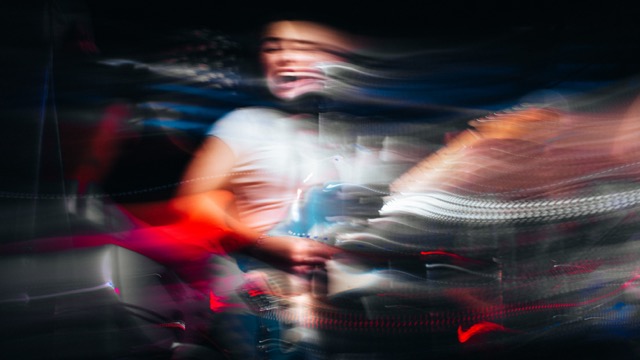
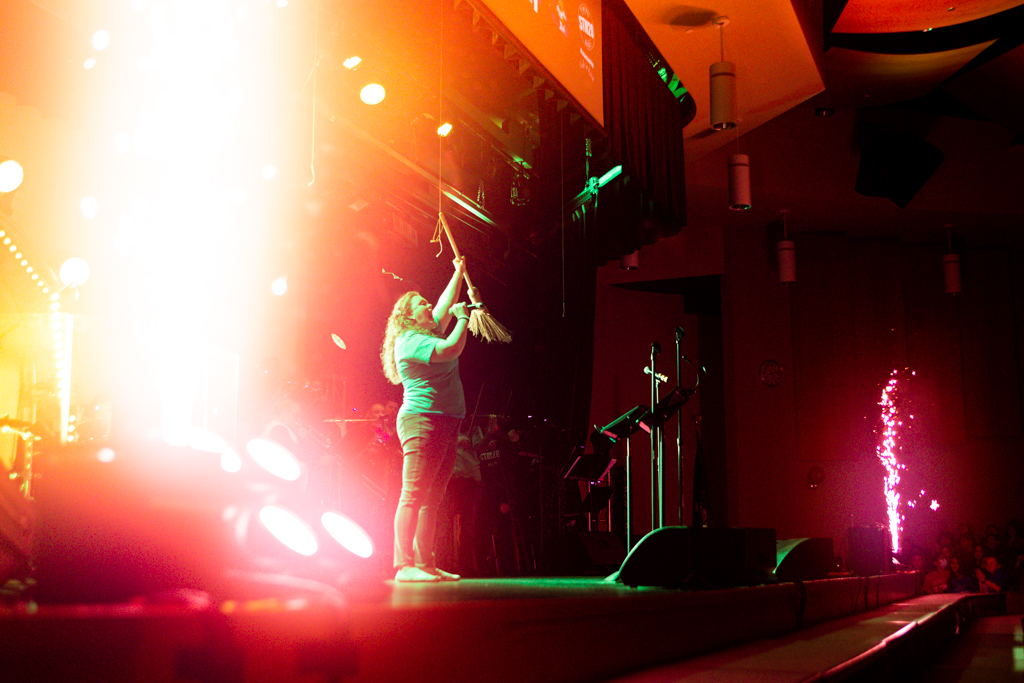
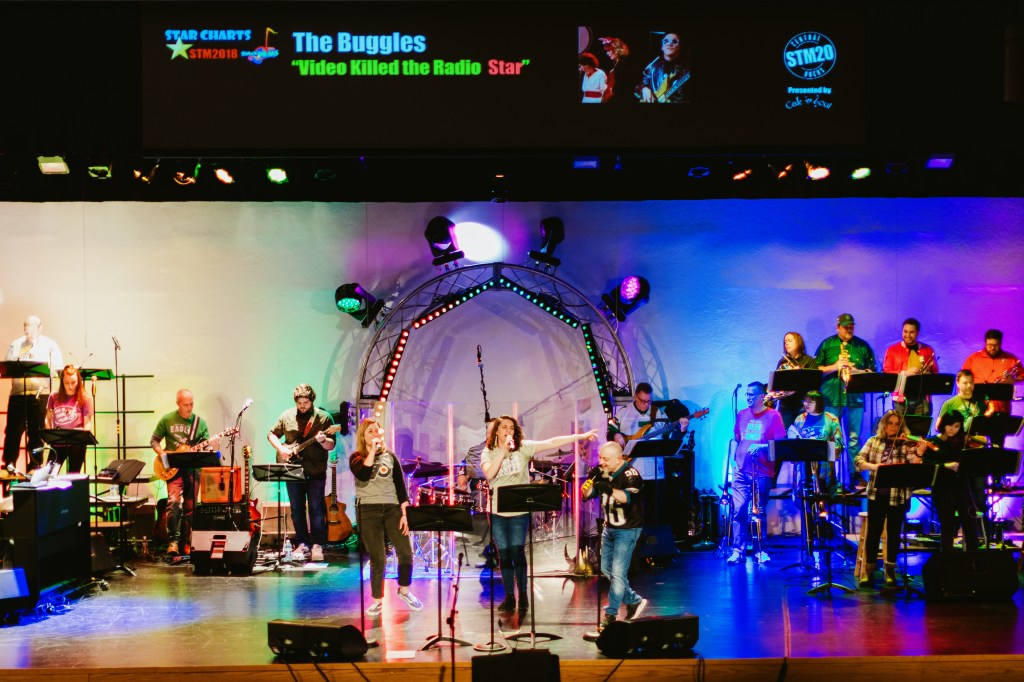
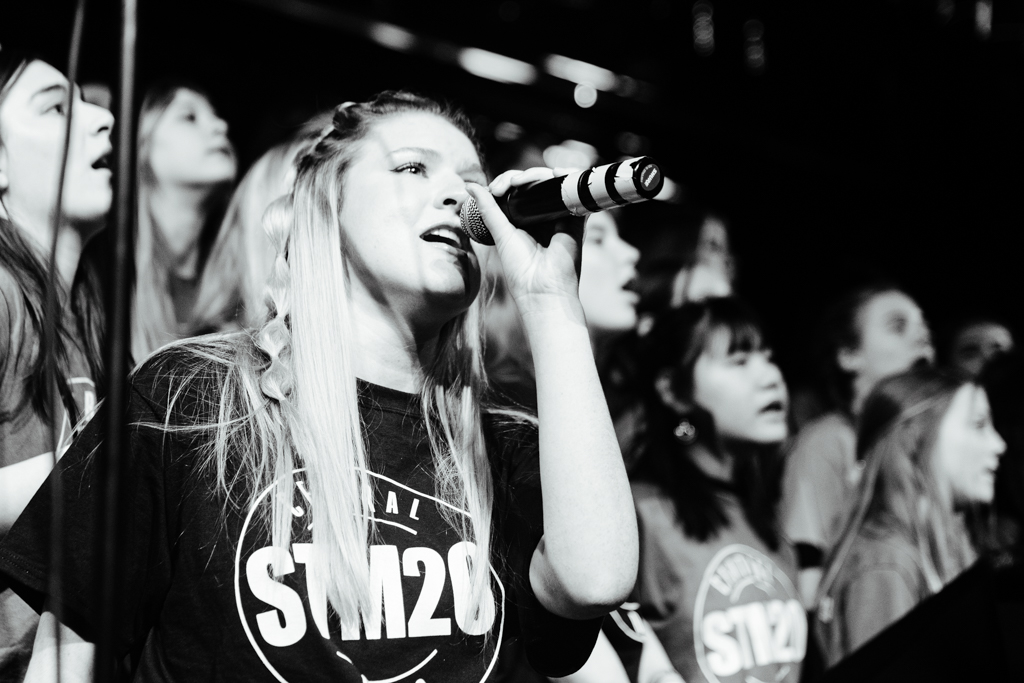
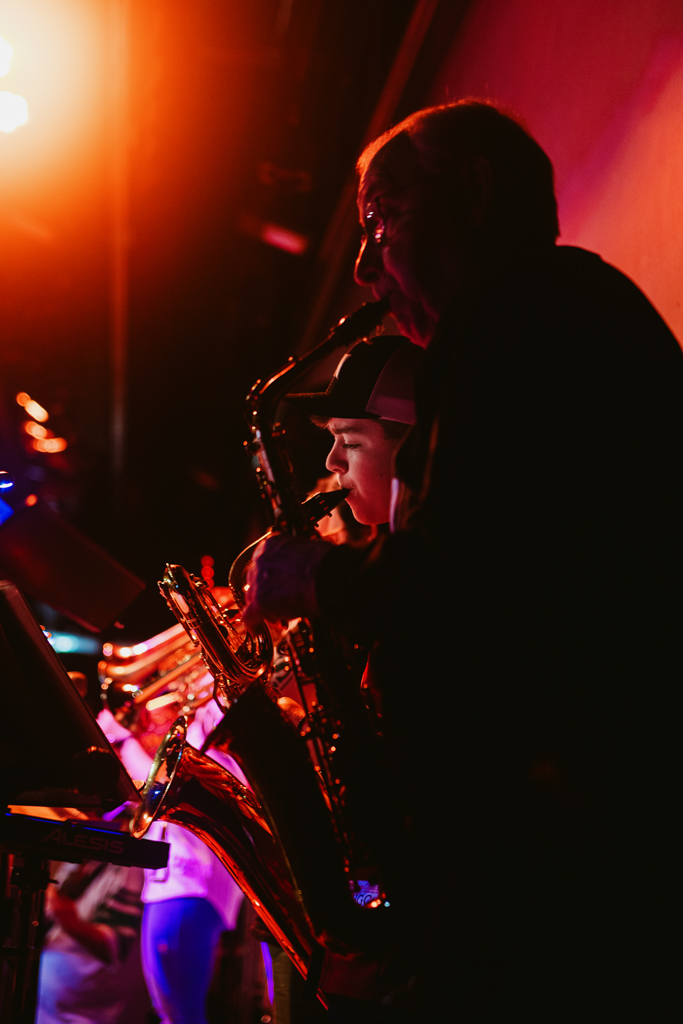
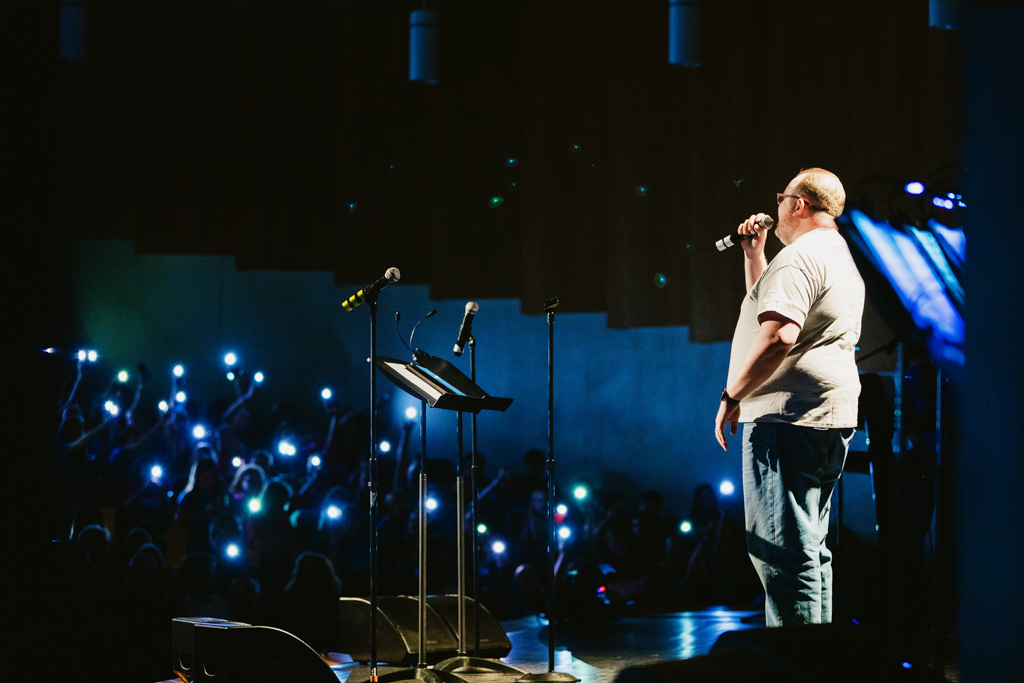
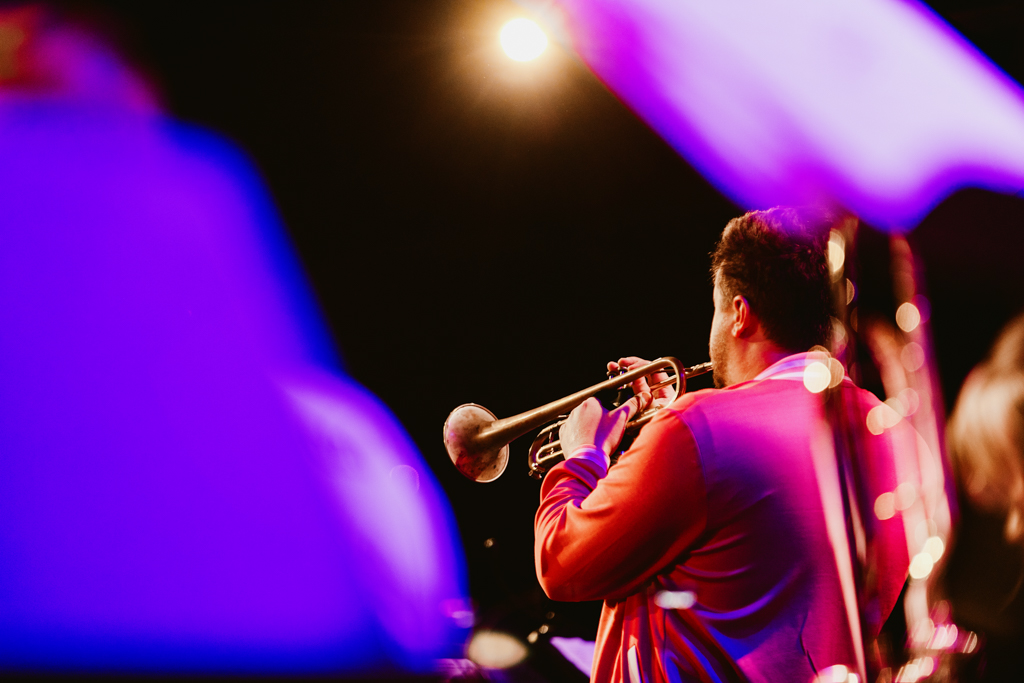
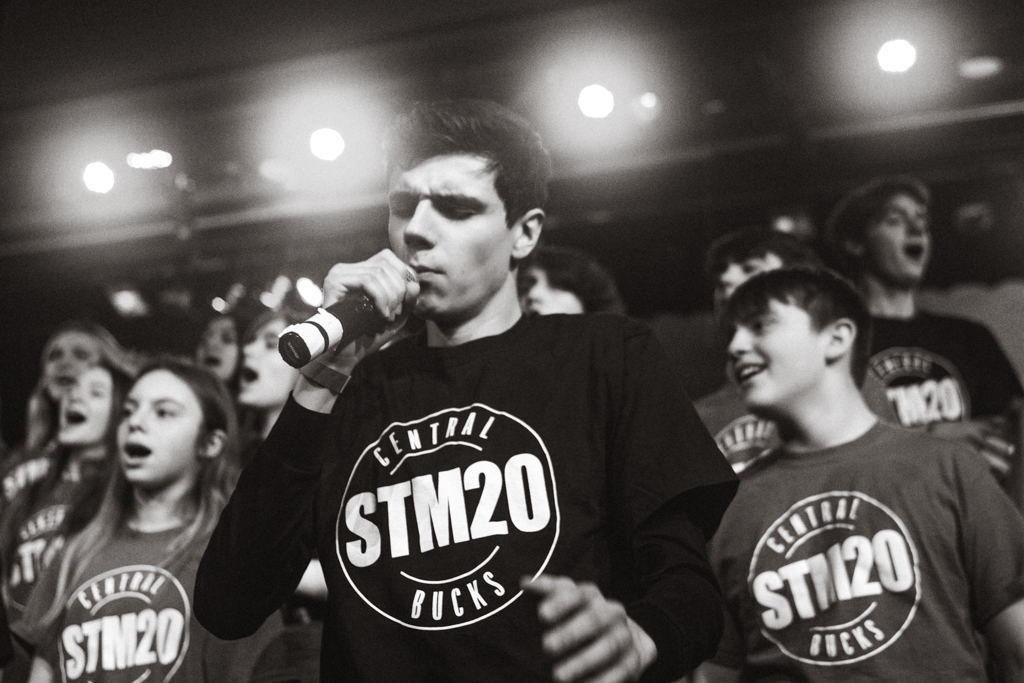
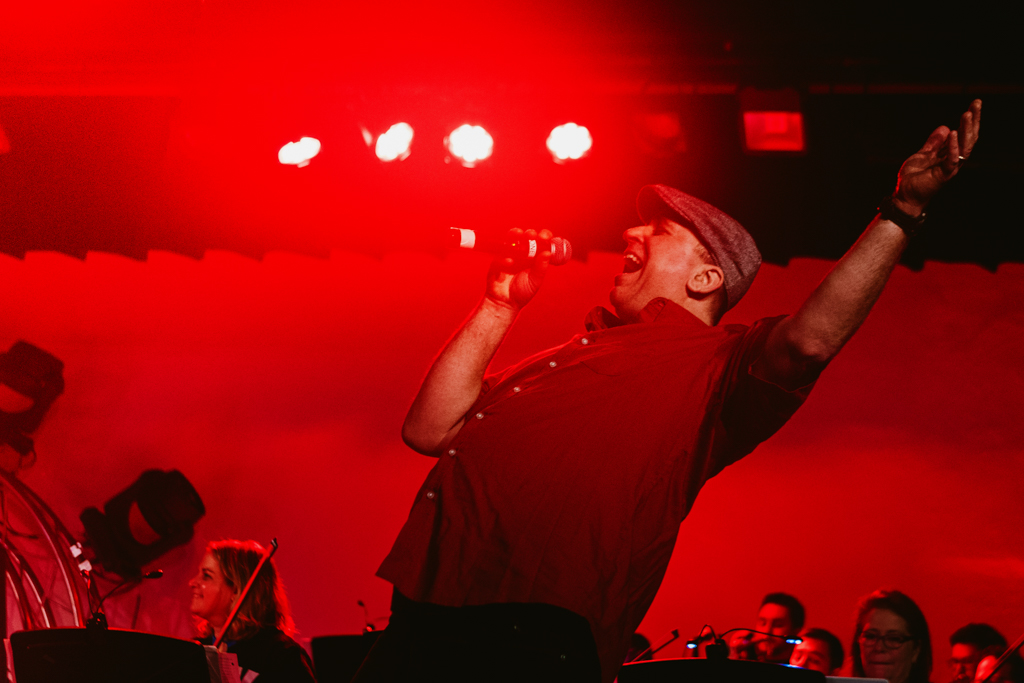
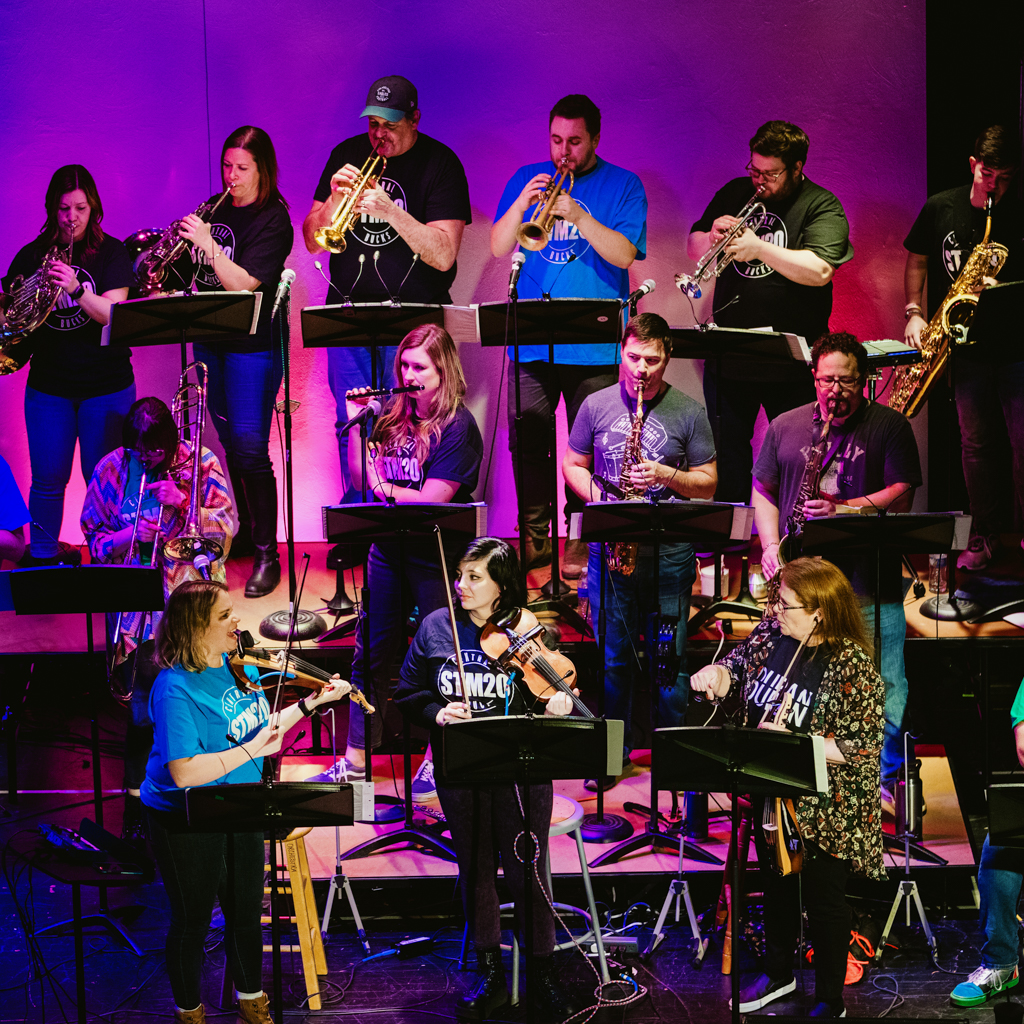
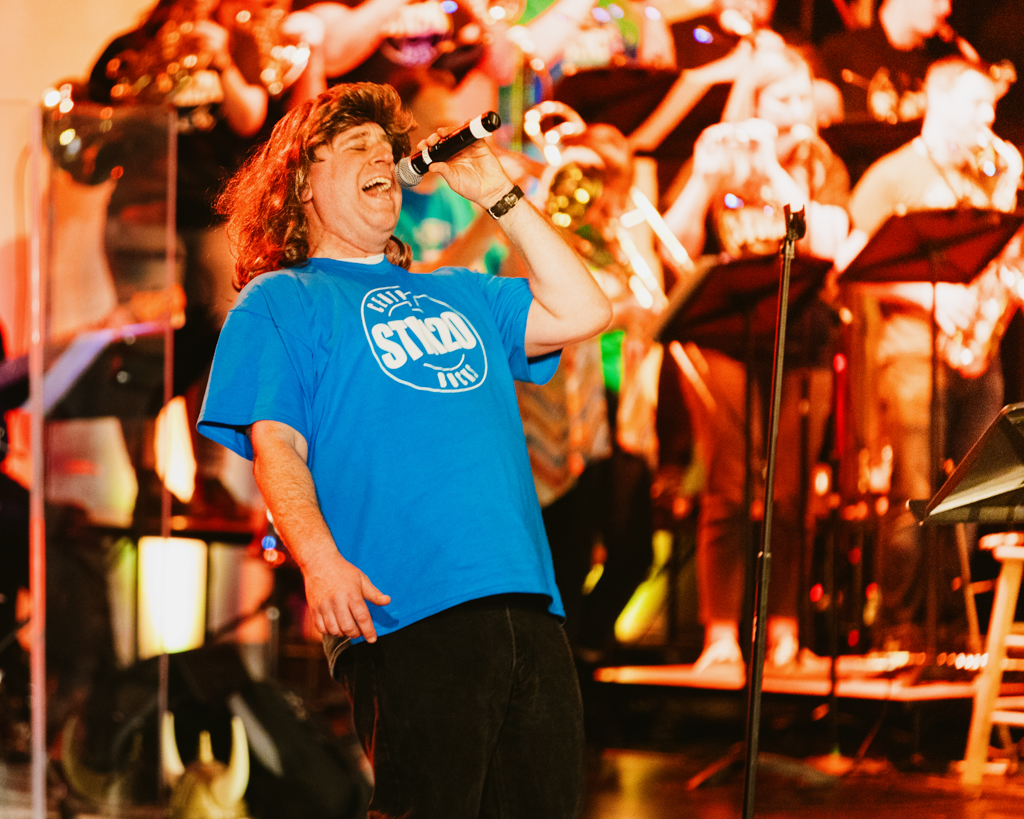
I’m married to a teacher. I get a front row seat witnessing how hard teachers work and how dedicated they are to their students — their kids. I have, on more than one occasion, used the phrase “rock star” to describe my wife and her colleagues. Once a year, I get to use that phrase in its literal definition.
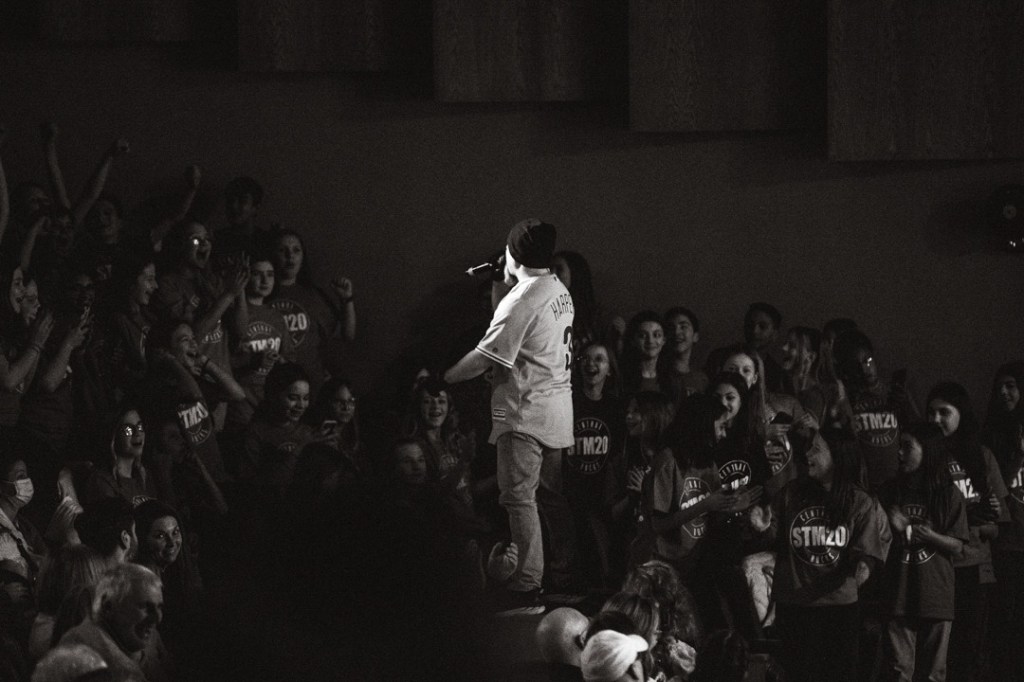
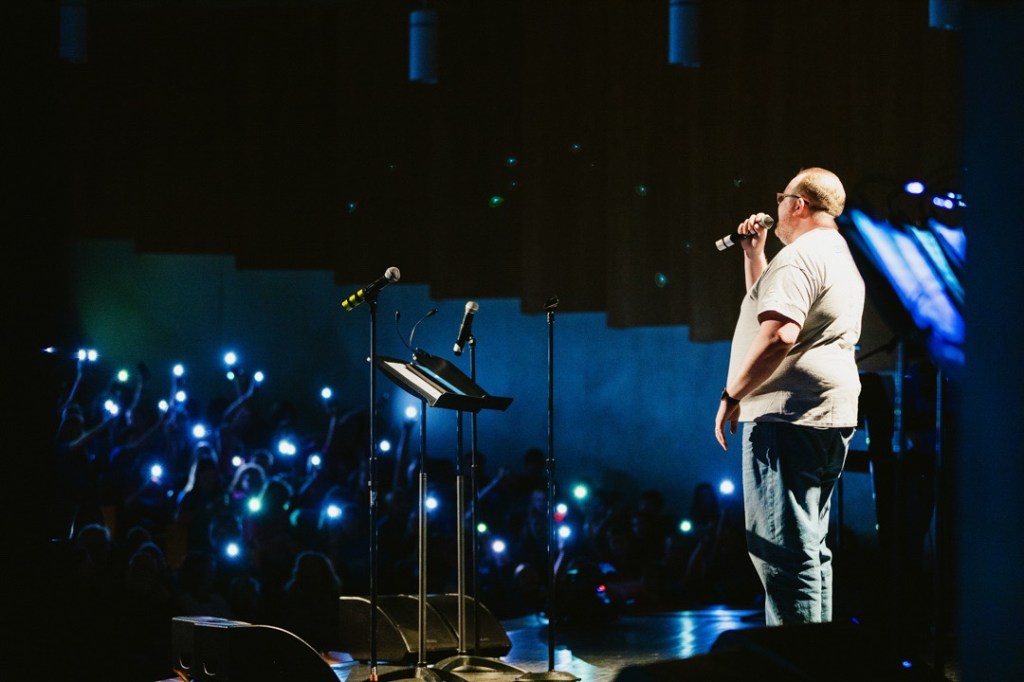
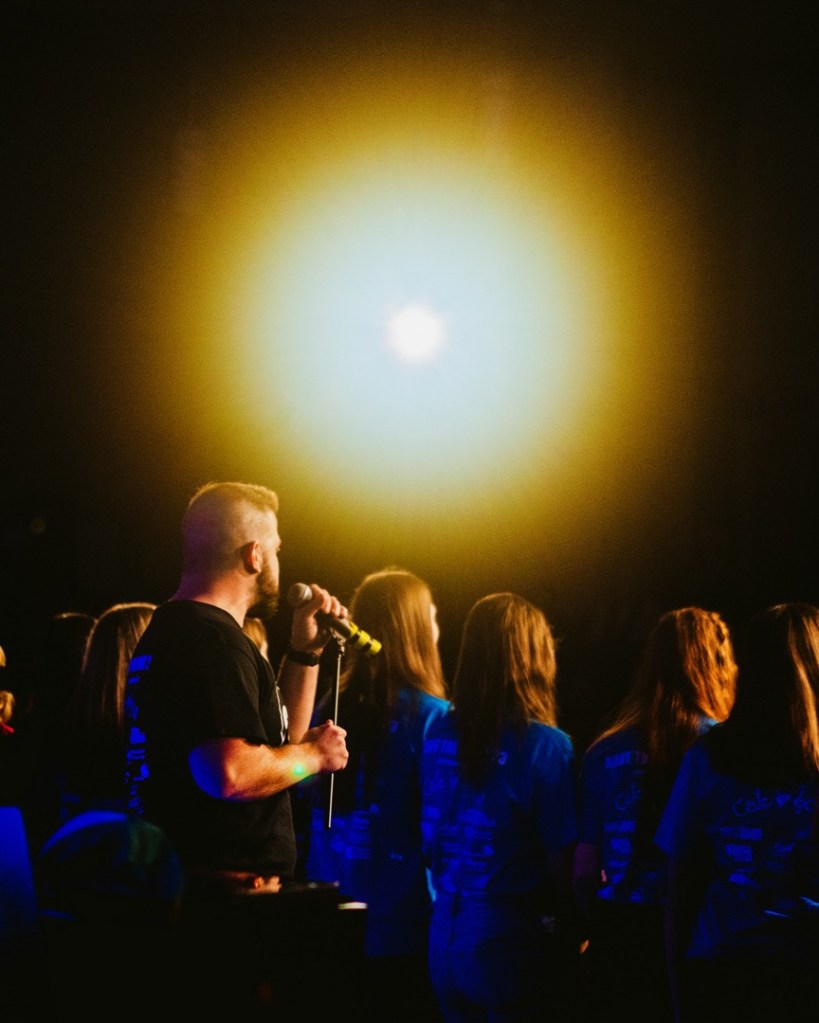
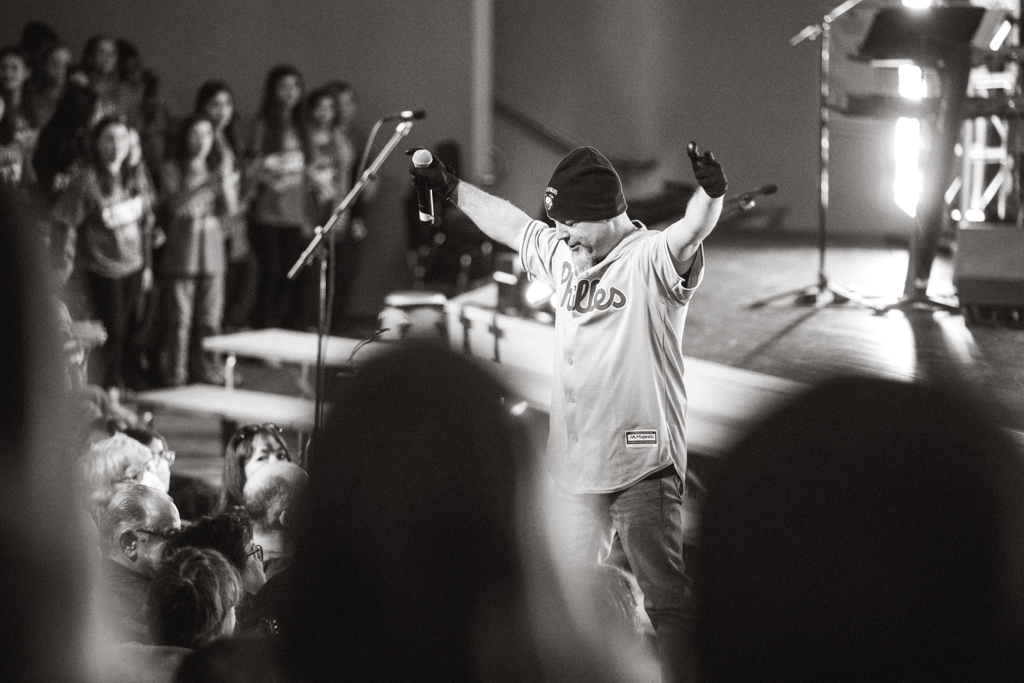
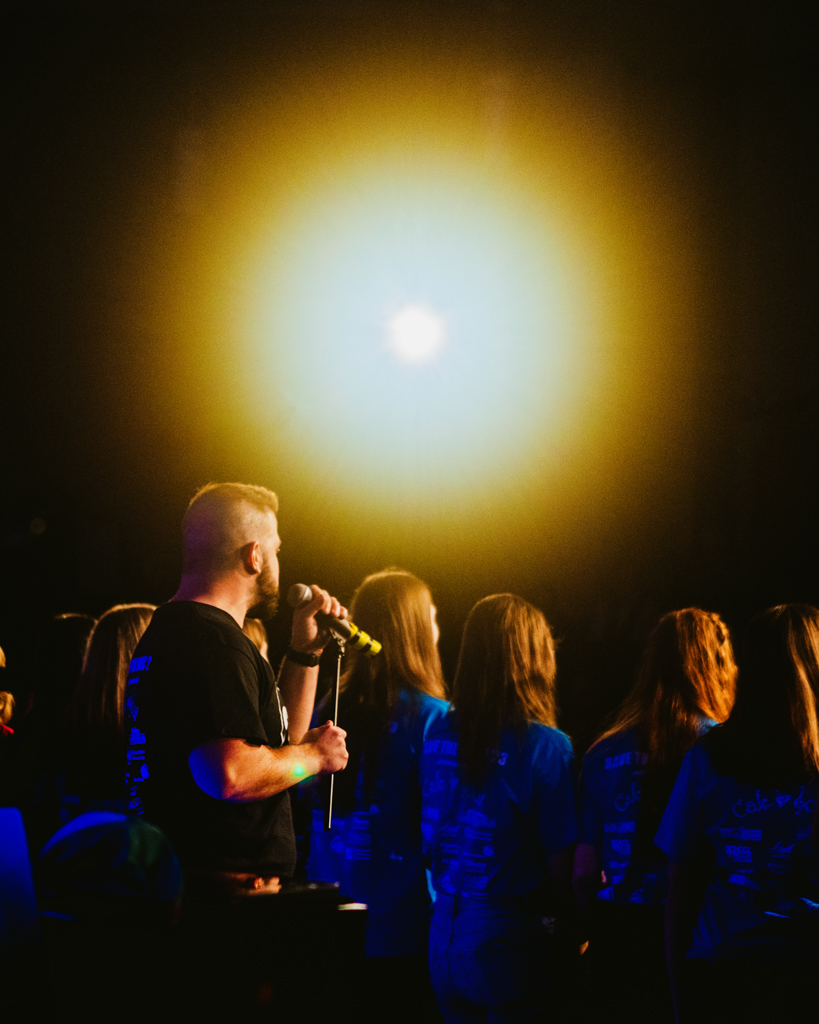
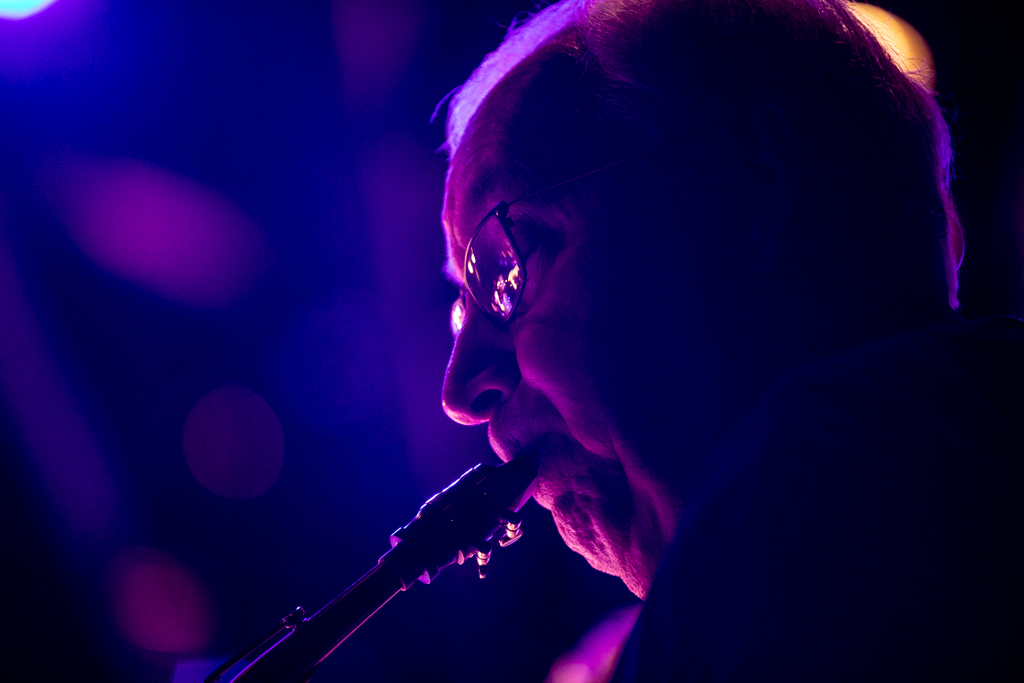
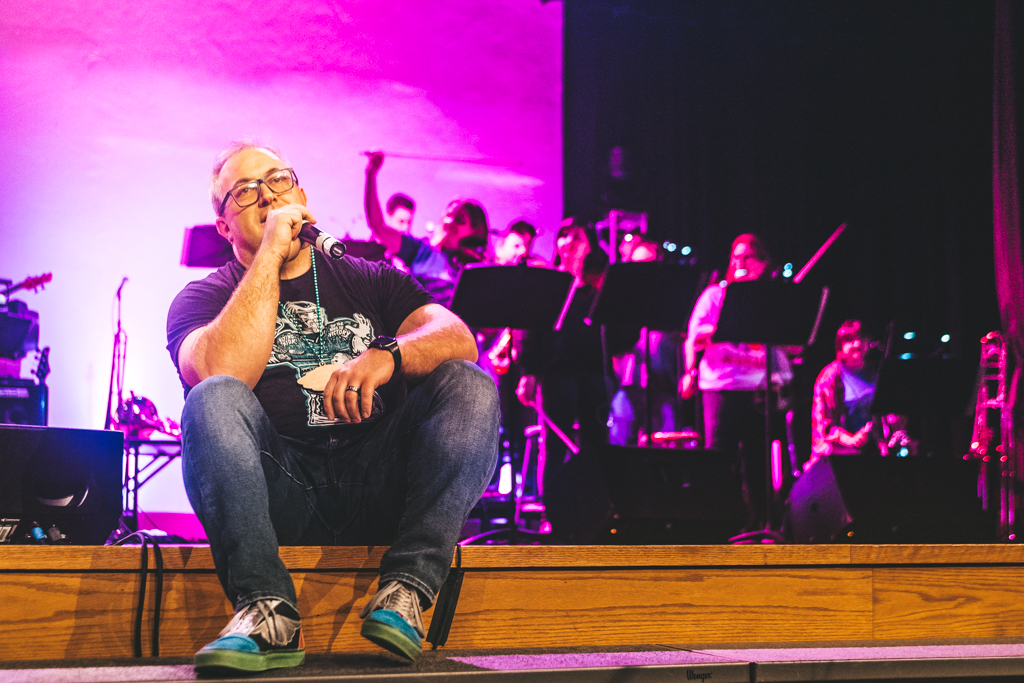
Because for the past two decades, the music teachers of Central Bucks School District in Bucks County, Pennsylvania, trade their classroom stage for the concert stage, talented musicians coming together to put on a performance that goes above and beyond their classroom commitments. What began as a simple recital with a small philanthropic element, has grown into an all-weekend, sold-out, four-show, two-and-a-half hour concert for students, community, and, ultimately, other school districts struggling to provide music programs for their own students. Oh yeah, that small philanthropic element has grown, too: the annual concert has raised more than $300,000 for the Save the Music Foundation, whose mission is to deliver equitable access to music education for millions of students nationwide.
The Save the Music Foundation is a nonprofit organization that was founded in 1997. Its goal is to ensure that music education is a core component of a well-rounded education for all children. The foundation operates in various communities across the United States, working to restore music education programs that have been cut or diminished due to budget constraints. A report from the National Association for Music Education found that between 2011 and 2014, nearly 90% of school districts in the United States experienced cuts to their music programs. This is a concerning trend, given the numerous benefits that music education can provide to students.
The foundation was created by John Sykes, the president of VH1 at the time. He was inspired to start the organization after he learned that many schools were cutting music programs in order to balance their budgets. Sykes believed that music education was an important part of a child’s development and he wanted to help ensure that children had access to it.
The foundation’s first major project was in New York City. In 1997, the foundation partnered with the New York City Department of Education to provide new musical instruments to public schools in the city. Over the next few years, the foundation expanded its work, partnering with school districts across the country to provide new musical instruments, professional development for music teachers, and support for music programs. In 2000, the foundation launched the “Adopt-A-School” program. This program allows businesses, individuals, and community organizations to support music education in a specific school by providing new musical instruments, funding for professional development, and support for music programs.
In addition to its programs, the foundation has also been a strong advocate for music education. The foundation has worked to raise public awareness about the importance of music education and has helped to promote music as a core component of a well-rounded education. The foundation has also been an advocate for music education at the federal level, working with policymakers to ensure that music education is a priority in the nation’s schools.
In recent years, a growing body of research has confirmed the numerous benefits that music education can provide to students of all ages. From improving academic performance to promoting social and emotional development, the impact of music education on students is significant and wide-ranging.
Studies have shown that students who participate in music education programs tend to perform better academically than their peers who do not. A report from the National Association for Music Education found that elementary school students who participate in music education programs score higher on reading and language arts tests than those who do not. Additionally, a study published in the Journal of Educational Psychology found that high school students who participated in music programs scored higher on standardized tests in both math and verbal sections compared to students who did not participate in music programs.
Music education can also have a positive impact on students’ social and emotional development. Participation in music programs can help students develop better teamwork skills, improve their self-esteem, and increase their overall sense of well-being. For example, a study published in the Journal of Research in Music Education found that participation in school music programs was positively associated with students’ self-esteem and their ability to work well with others.
Schools with music programs have an estimated 90.2% graduation rate and 93.9% attendance rate compared to schools without music education, which average 72.9% graduation and 84.9% attendance. Schools that have music programs have an attendance rate of 93.3% compared to 84.9% in schools without music programs.
The schools that produced the highest academic achievement in the United States today are spending 20% to 30% of the day on the arts, with special emphasis on music. ~ International Association for the Evaluation of Educational Achievement
Music enhances the process of learning. The systems they nourish, which include our integrated sensory, attention, cognitive, emotional and motor capacities, are shown to be the driving forces behind all other learning. ~ Konrad, R.R., Empathy, Arts and Social Studies
95% of Americans in a Gallup Poll believe that music is a key component in a child’s well-rounded education; three quarters of those surveyed feel that schools should mandate music education. ~ Gallup Poll, “American Attitudes Toward Music
Students of lower socioeconomic status who took music lessons in grades 8-12 increased their math scores significantly as compared to non-music students. But just as important, reading, history, geography and even social skills soared by 40%. ~ Gardiner, Fox, Jeffrey and Knowles
College-age musicians are emotionally healthier than their non-musician counterparts for performance anxiety, emotional concerns and alcohol-related problems. ~ Houston Chronicle
Research made between music and intelligence concluded that music training is far greater than computer instruction in improving children’s abstract reasoning skills. ~ Neurological Research, Vol. 1
Over the past two decades, the Save the Music Foundation has had a significant impact on the lives of children and communities across the country. The foundation has provided new musical instruments to thousands of schools, provided professional development for music teachers, and helped to ensure that music education is a priority in communities.
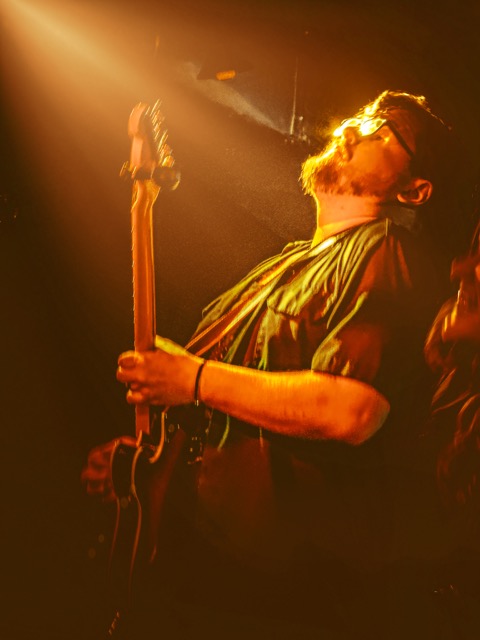
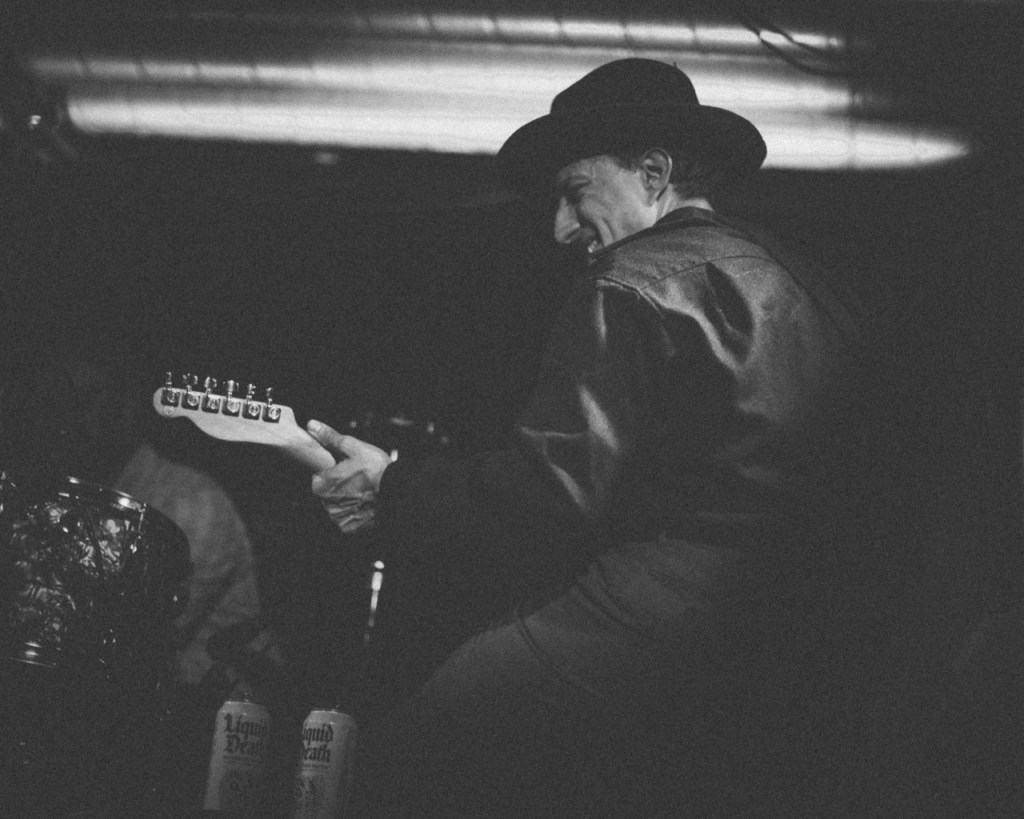
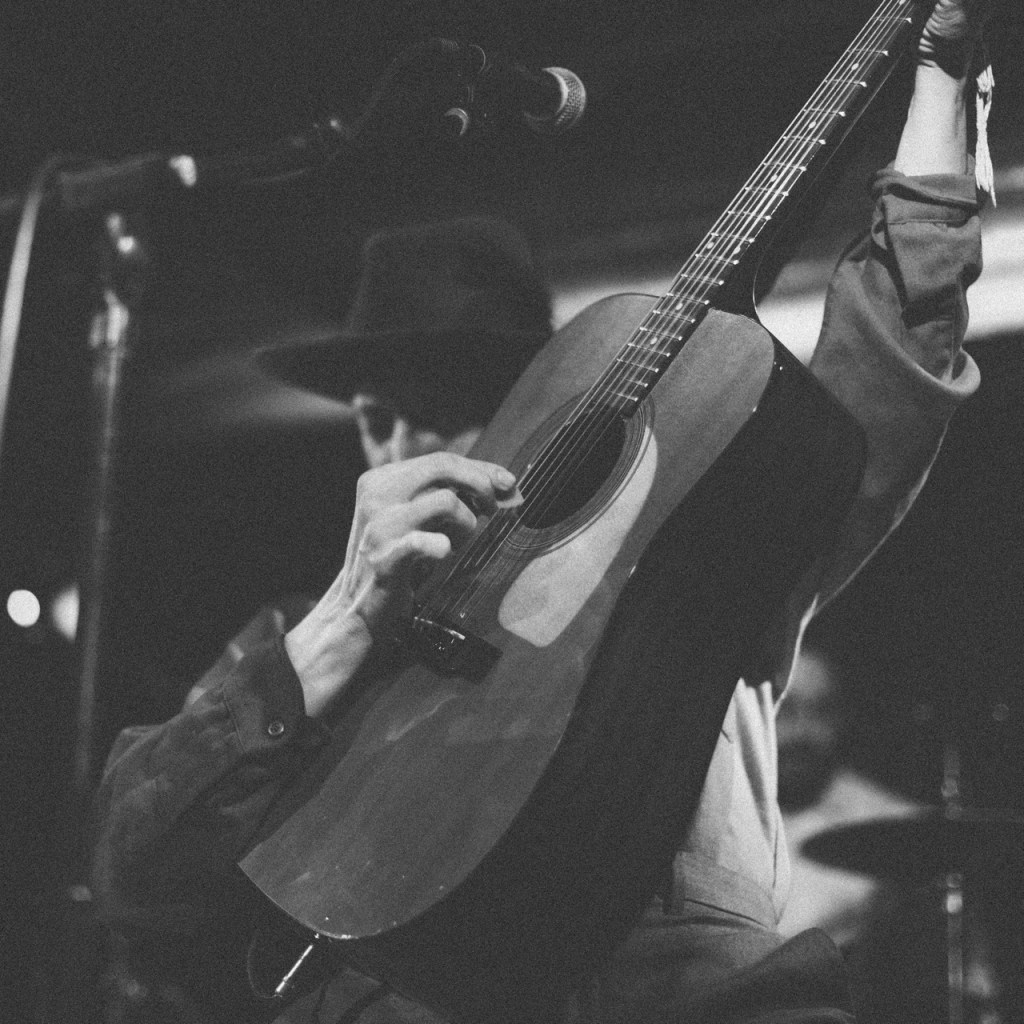
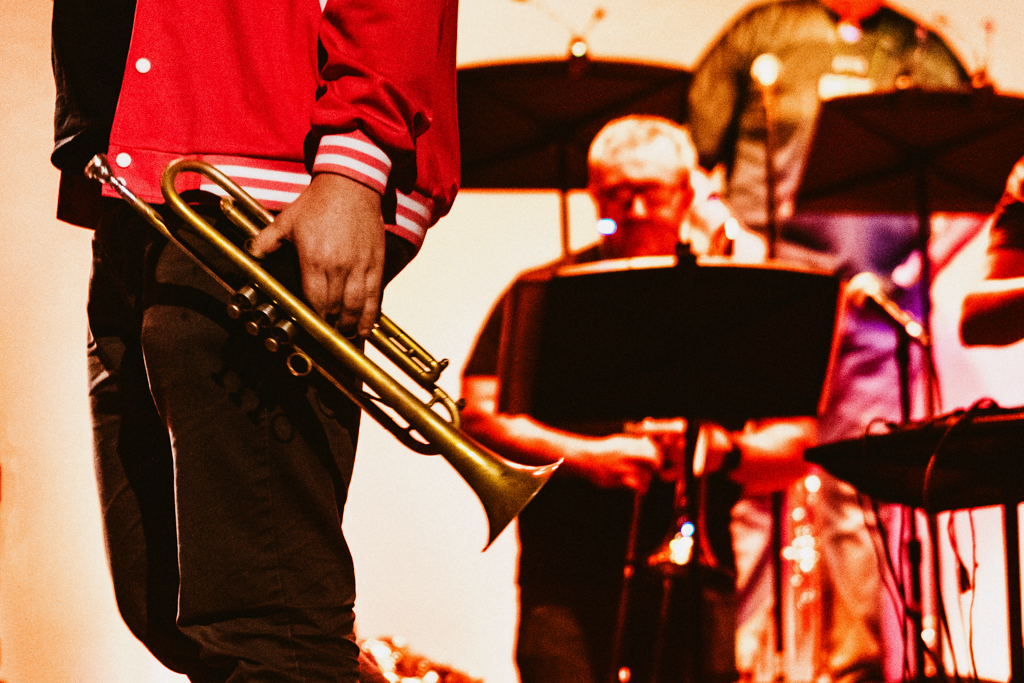
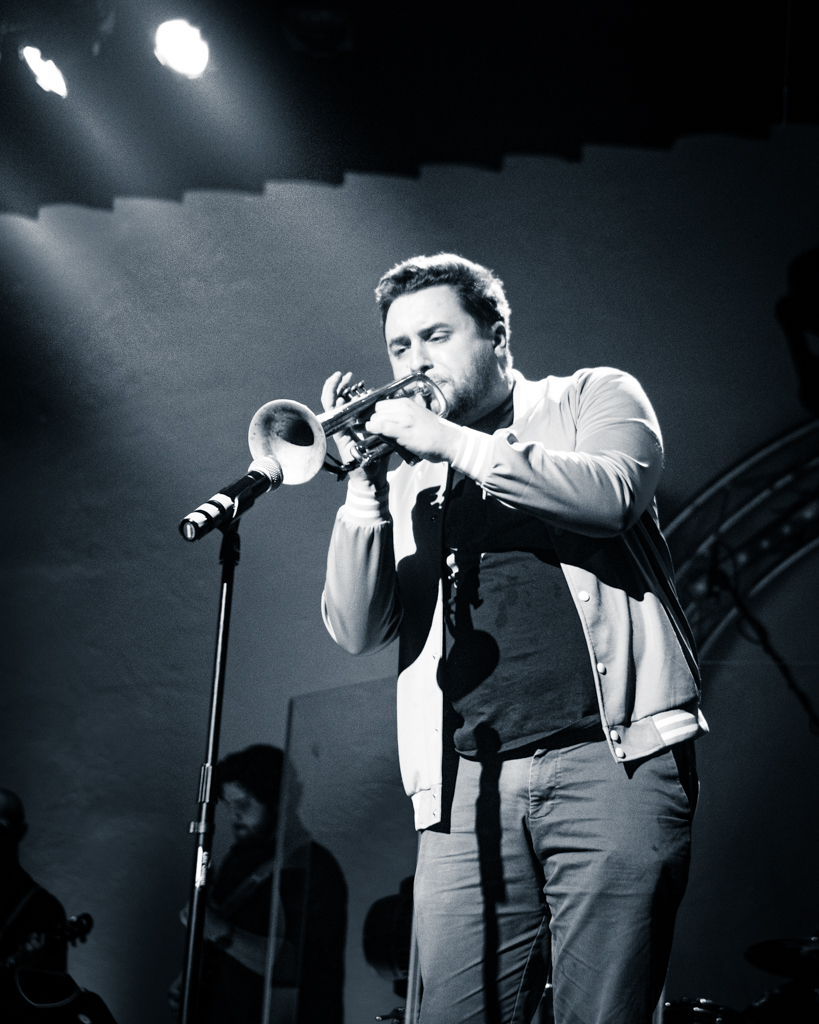
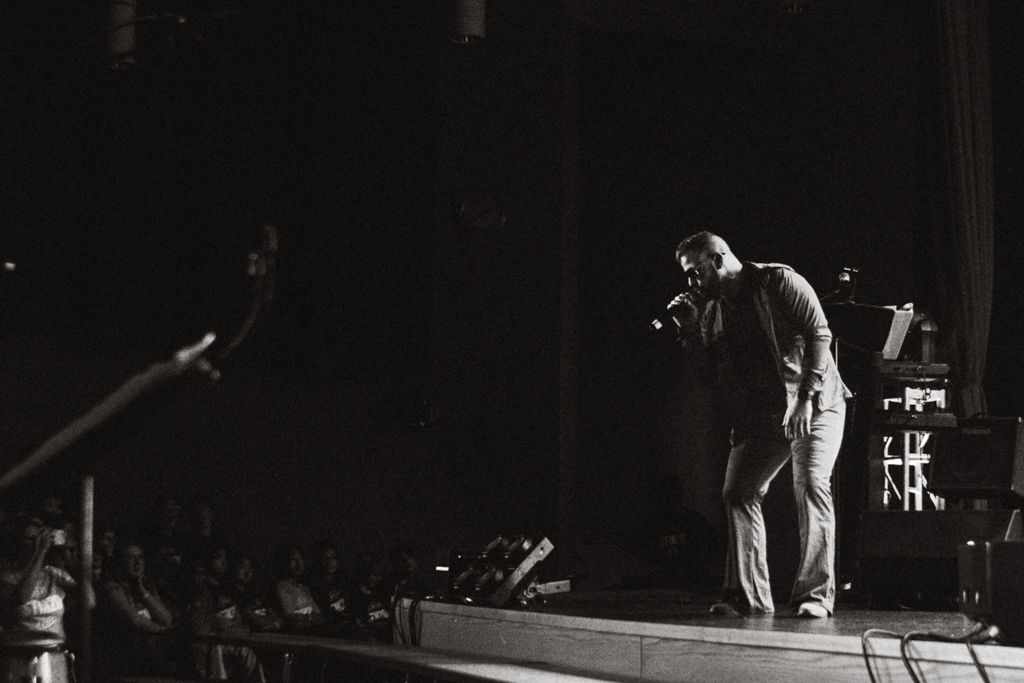
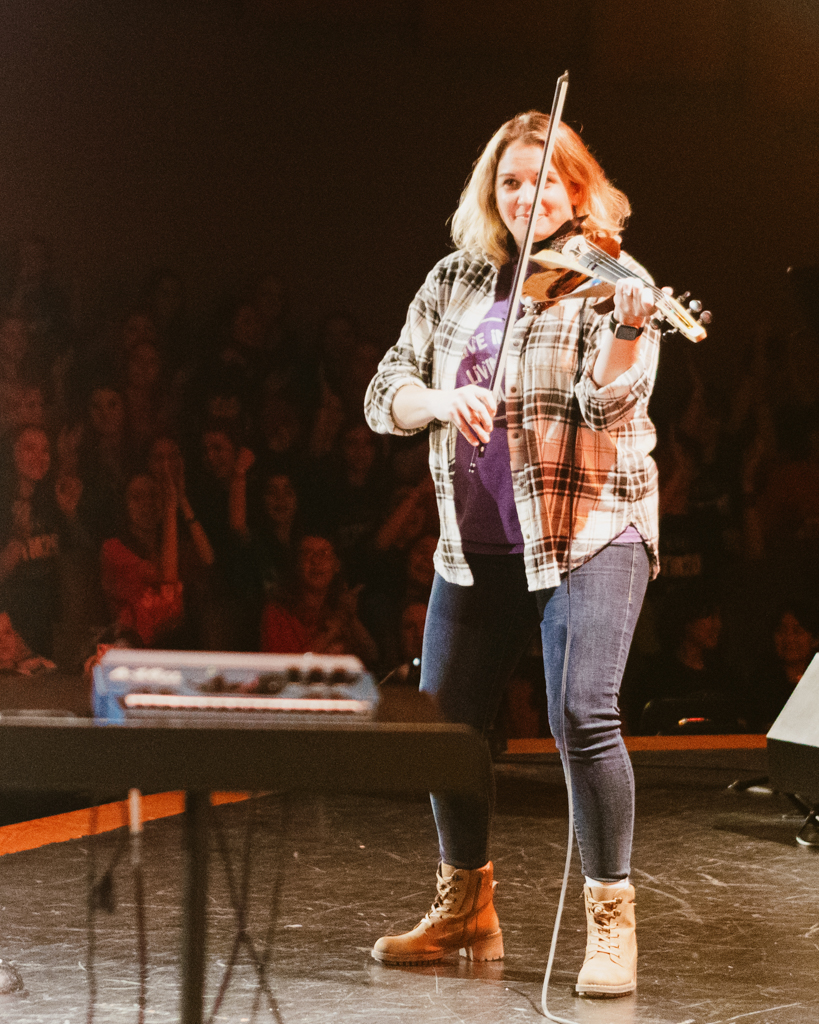
This is why the CB Save the Music concert is one of my favorite events on the calendar. Not just because I get to hear great music and have the privilege of making rock stars look like rock stars, but because I know the power music possesses to impact a child’s life. Both of my daughters are products of the dedicated teachers that take that stage. Their love of music, whether Harry or Hayden, is a big part of who they are today. Every kid should have that opportunity.
















 Mike Maney