There were a lot of great movies in 2017. I’m fortunate to be a member of a great nonprofit theater that somehow scored many of these future Oscar nominated flicks before they hit the big time. Here are my top movie recommendations of 2017 in case you missed them at your local theater.
Author: Mike
-
My Favorite Photos of 2017
As we begin to wind down 2017, I thought it would be a good opportunity to look back on some of my favorite images I captured throughout the year.
It was a year that saw me take on big challenges and explore new photography styles. It was also a year that helped me further define the connection between my career helping companies tell better stories and my passion capturing those stories with my camera. That intersection is something I’ll be focusing on in 2018.
What were my favorite images of 2017? Let’s look.
-
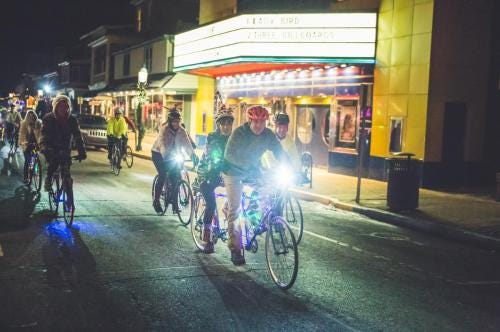
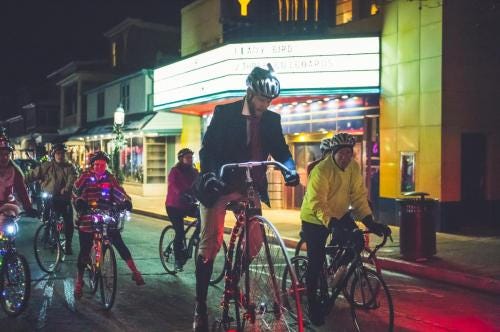
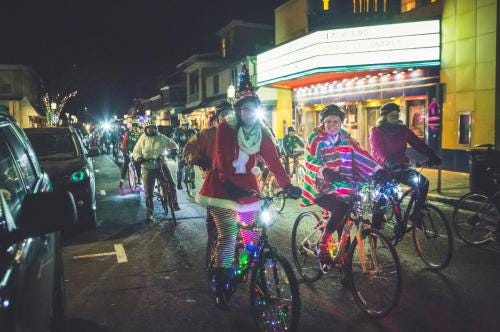
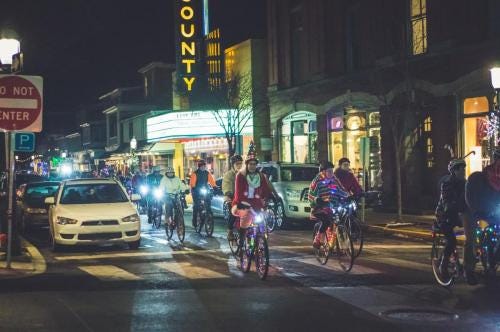
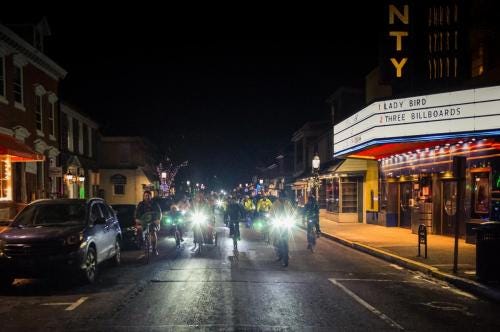
Santa’s Two-Wheeled Sleigh
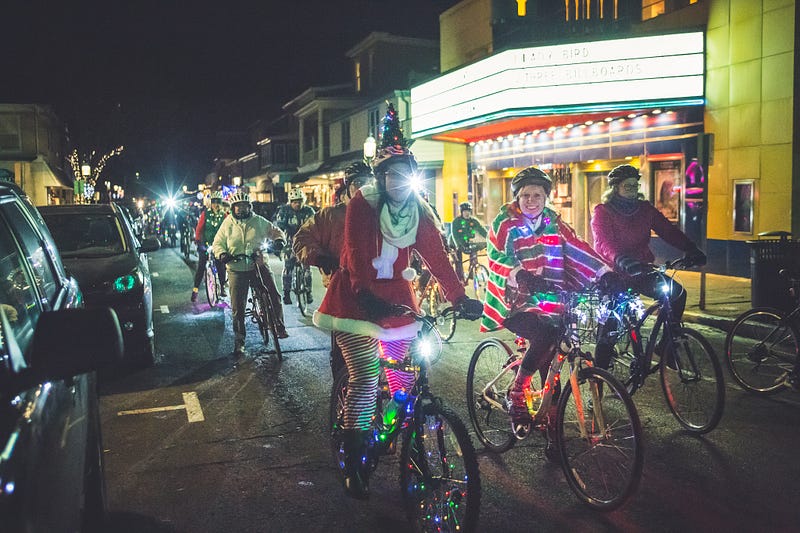
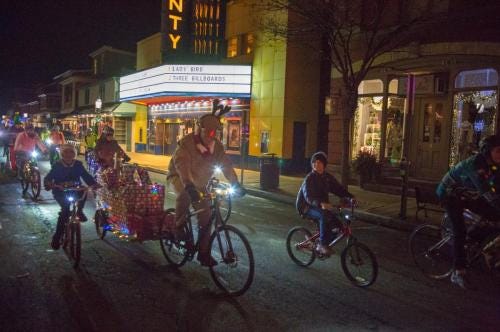
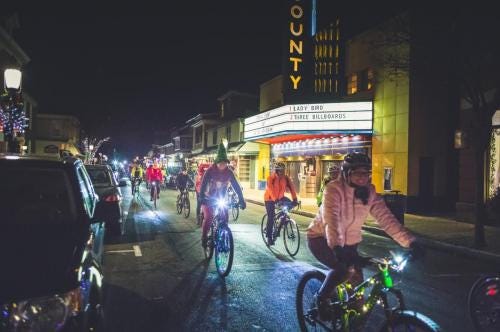
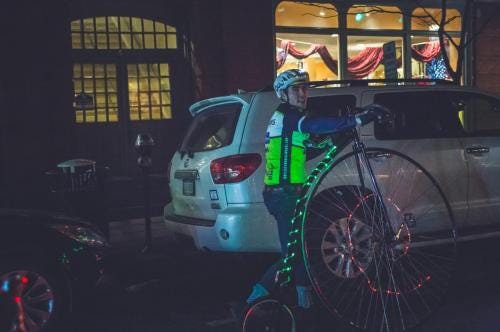
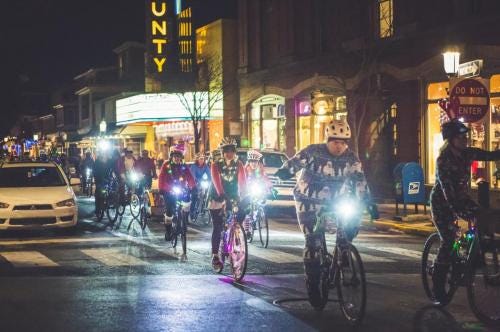
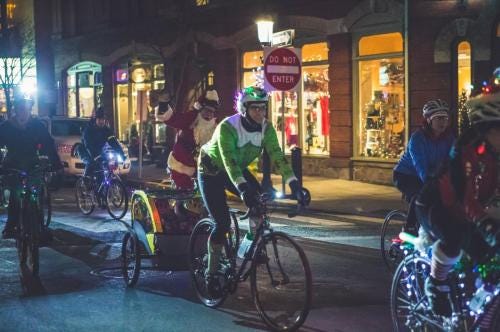
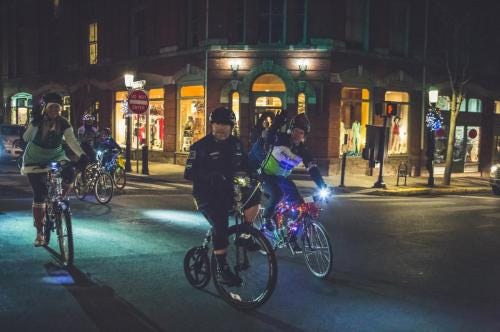
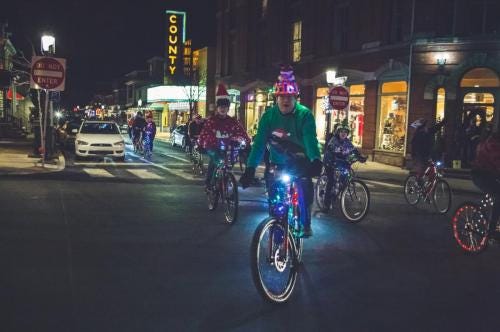
My town has a vibrant and fun cycling community of which I am a (slow) member. Each year, roughly 100–200 cyclists get together for a leisurely five mile stroll through the neighborhoods to see the holiday decorations. I couldn’t make it this year, but was able to catch Santa and his pedaling reindeer coming through the center of town.
Click here to download the full resolution images for sharing. If you want a print, click the Buy Photo button (given the low light, I suggest not printing larger than 5×7).
SaveSave
SaveSave
-
Santa’s Two-Wheeled Sleigh
My town has a vibrant and fun cycling community of which I am a (slow) member. Each year, roughly 100-200 cyclists get together for a leisurely five mile stroll through the neighborhoods to see the holiday decorations. I couldn’t make it this year, but was able to catch Santa and his pedaling reindeer coming through the center of town.
-
What I’m Reading: Storytellers, Brand Values, Freddie Mercury
A quick list of links to some of the content I’ve been reading this week (and have queued up to read this morning over coffee).
- Flexibility and informality could be the way of the future
- The Desirability of Storytellers
- Why We Need Art
- Humans Have Reached the Peak of Our Height, Lifespan and Physical Fitness
- Estonia, the Digital Republic
- (30) Principles of Technology Leadership <— This is a must-watch talk given by Bryan Cantrill at this year’s Monktoberfest
- Creativity Is the Next Economic Revolution
- What Made Freddie Mercury the Best Vocalist in Rock
- David Lang’s “Symphony for a Broken Orchestra”
- The Responsible Company by Yvon Chouinard & Vincent Stanley
- Eugène Delacroix
-
What I’m Reading
Sunday morning, a thin blanket of snow on the ground, hot coffee in my favorite Herb Ritts/Bruce Springsteen mug, Premier League on the television in the background, and a bunch of saved tabs from the week open in my browser.
- The Fractured States of America
- The Story Behind “Money For Nothing” by Dire Straits
- Why China Is Emerging as a Tech Superpower to Rival the U.S.
- Flexibility and informality could be the way of the future
- The Nationalist’s Delusion
- Don’t Stop the Presses! Why Big Tech Should Subsidize Real Journalism
- A panda who was “really, really, ridiculously good at sex”
- Time to release the internet from the free market – and make it a basic rig
- The Curious Case of August Engelhardt, Leader of a Coconut-Obsessed Cult
- The secret tricks hidden inside restaurant menus
- 5 Reasons to See Morocco By Motorcycle
- Should Public Transit Be Free?
- A Master List of 1,300 Free Courses From Top Universities
- Hear What Literally Every Genre of Music Sounds Like With This Tool
- 50 Of The Best Screenplays To Read And Download In Every Genre
- Has the Silicon Valley Hype Cycle Finally Run Its Course?
- Trust Fragments
-
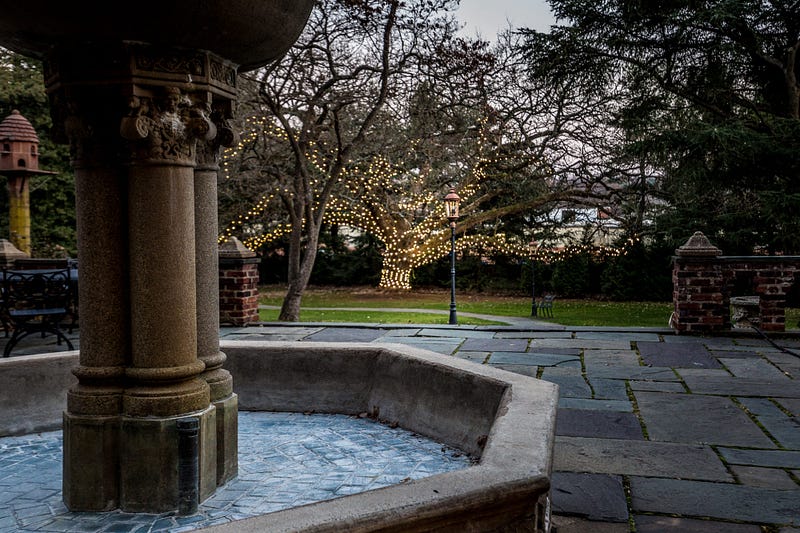
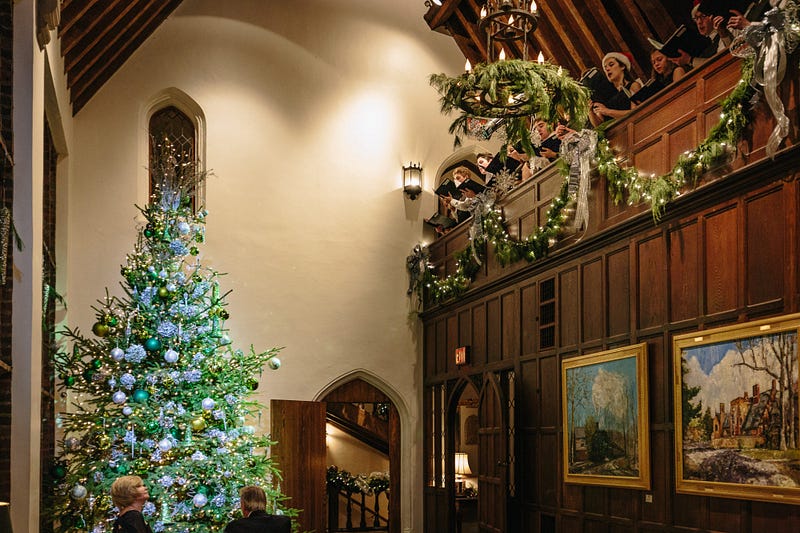
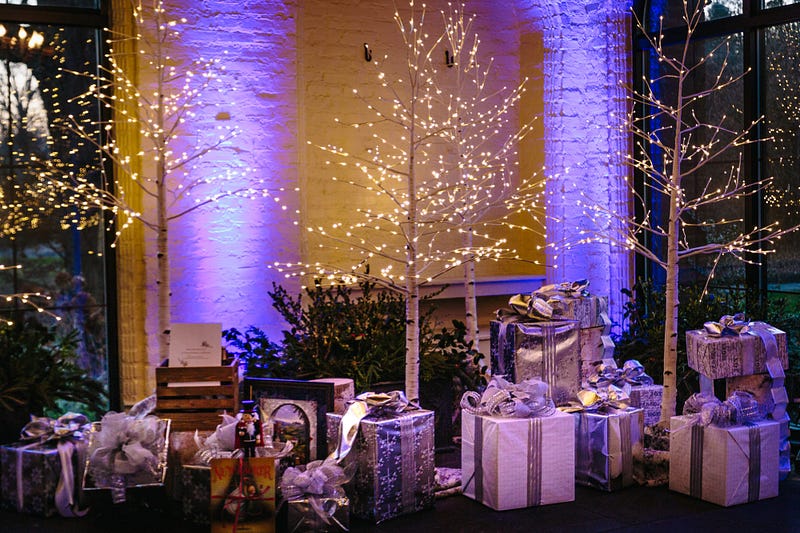
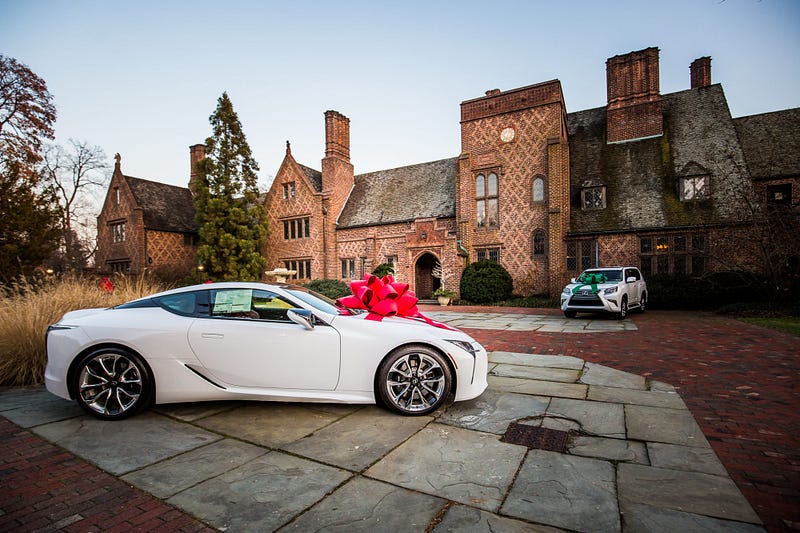
The Heritage Conservancy’s Christmas at Aldie Mansion
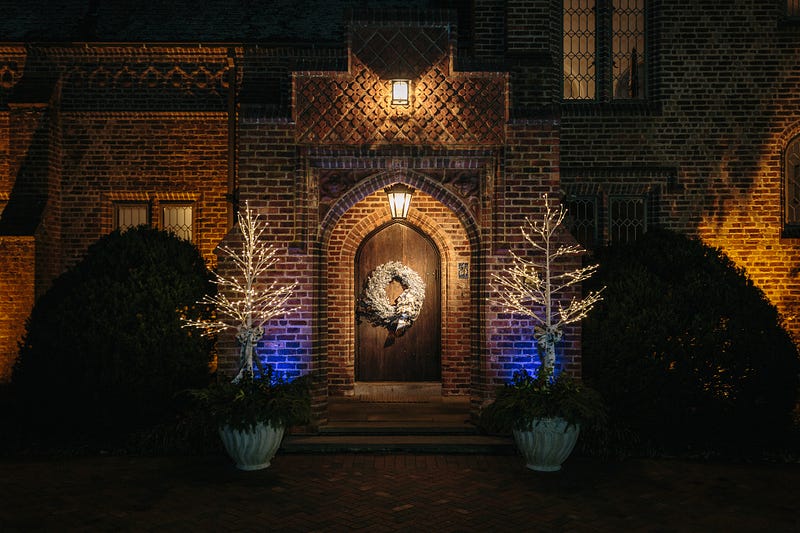
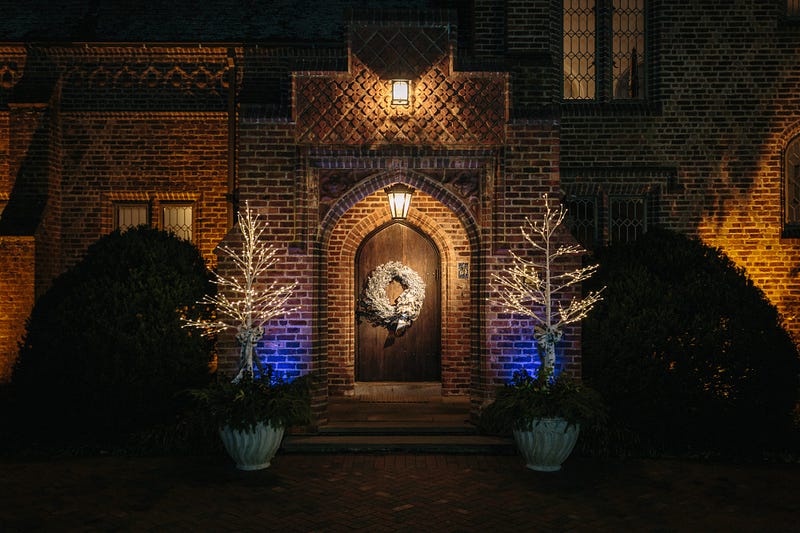
Where I live — Bucks County, Pennsylvania — is often accurately described as a charming area nestled along the mighty Delaware River in between the bustling metropolises of New York City and Philadelphia. It’s been home to people like James Michener, Pearl Buck, Oscar Hammerstein, Stan and Jan Berenstain (yes, those bears), Justin Guarini, P!NK and my favorite hometown celeb, Timothy Stack (aka Notch Johnson). It’s also home to a place called Aldie Mansion. Aldie was built in 1927 by William and Martha Mercer. William was the younger brother of Henry Mercer, Bucks County’s renowned tile maker, concrete sculptor and amasser of one of the world’s largest collections of tools and machinery from the Industrial Revolution.
The mansion also serves as headquarters for The Heritage Conservancy, a non-profit organization dedicated to preserving and protecting the natural and historical heritage of Bucks County. Their mission is one I care about, which is why the organization has a permanent spot in my limited annual philanthropic photography commitment.
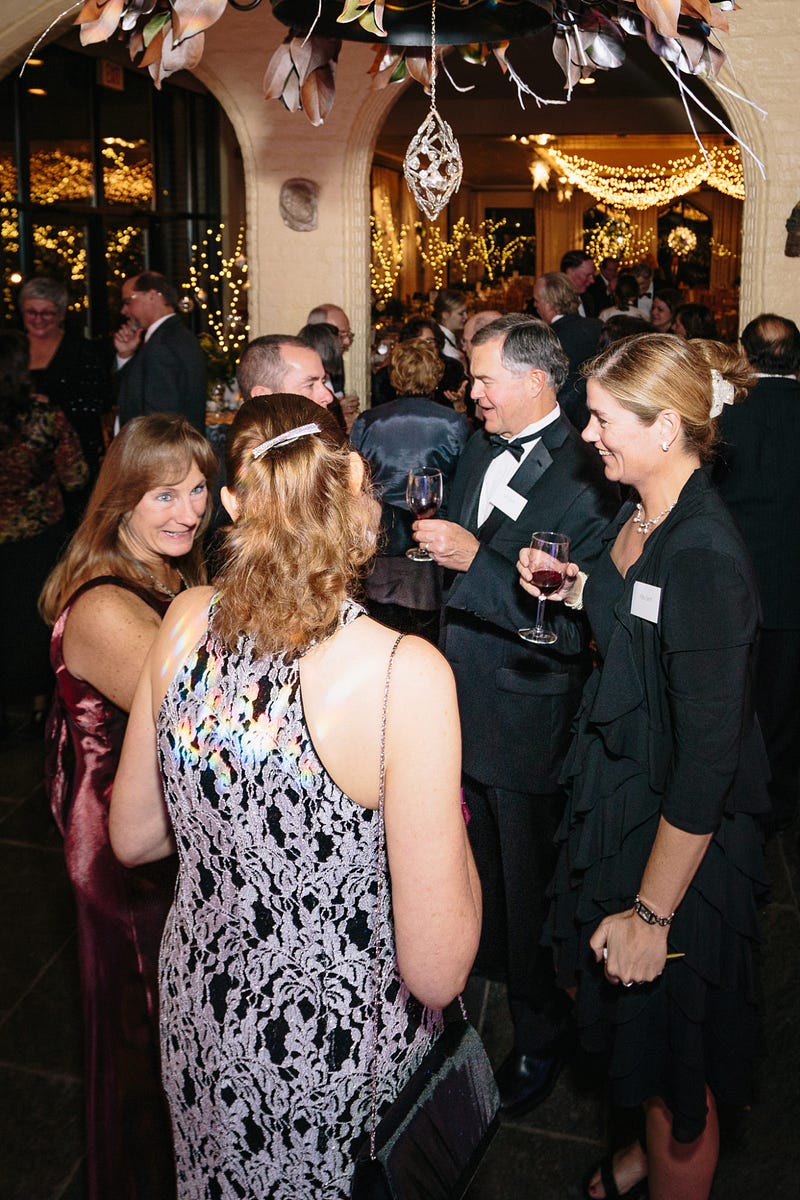
Last night, some of the county’s most influential residents gathered for a formal black tie gala at Aldie Mansion to celebrate the holidays and the 60th anniversary of The Heritage Conservancy. This is a small selection of the images I captured. You can view more of the images here.
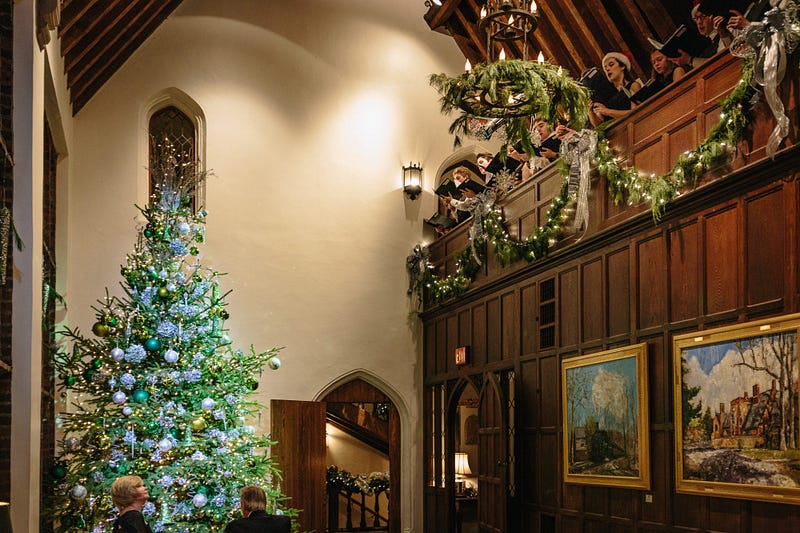
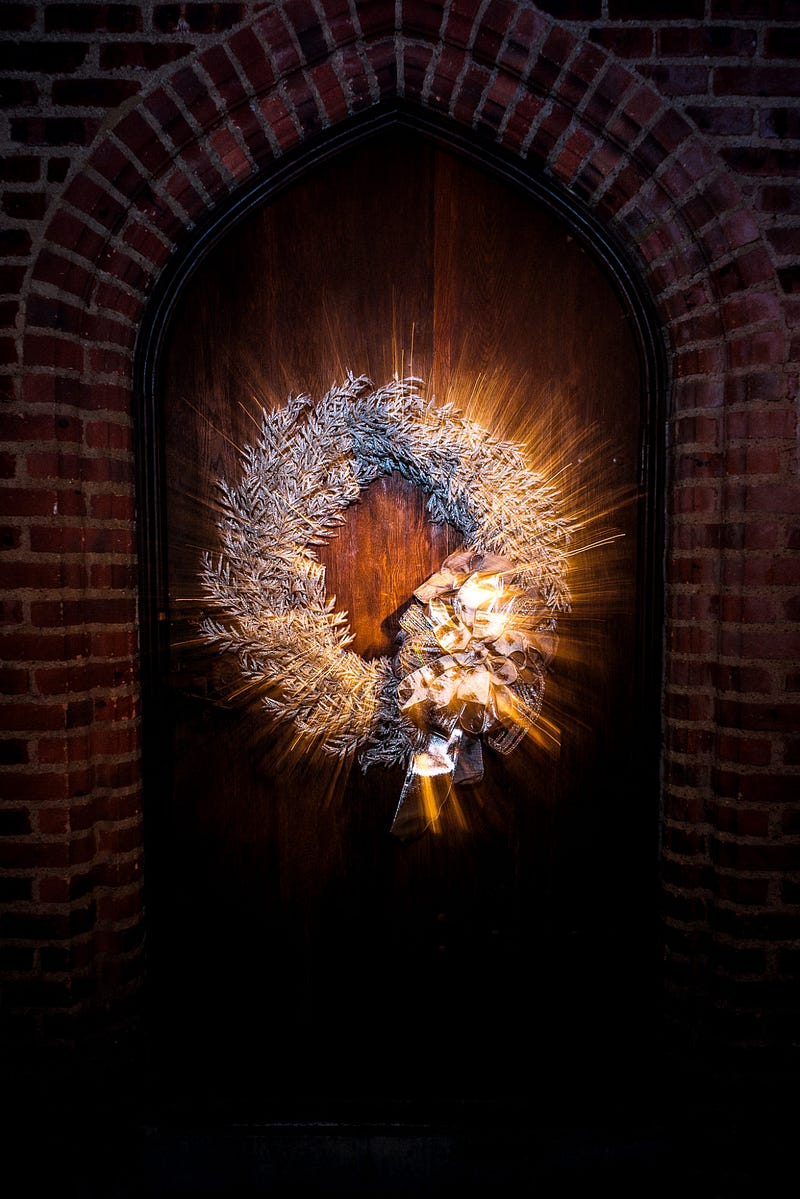
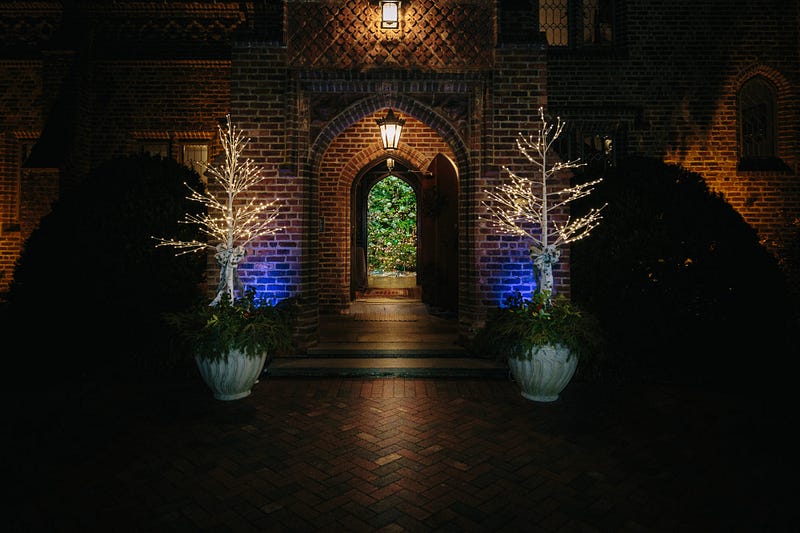
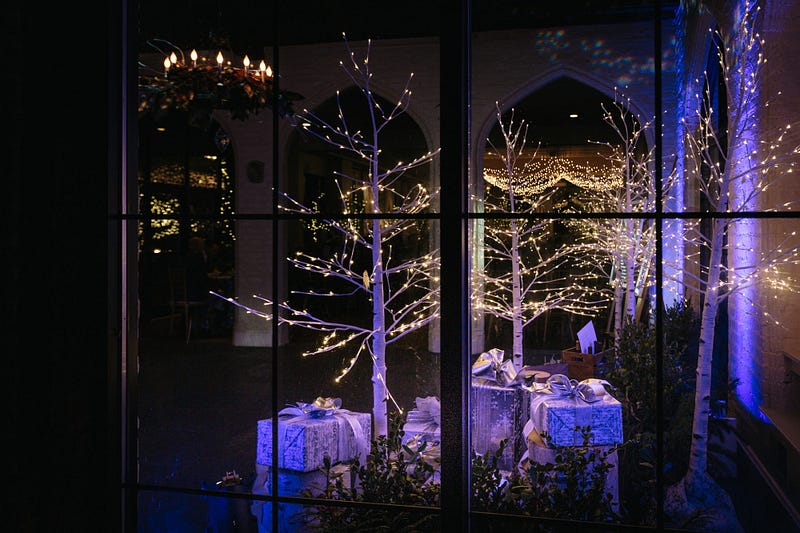
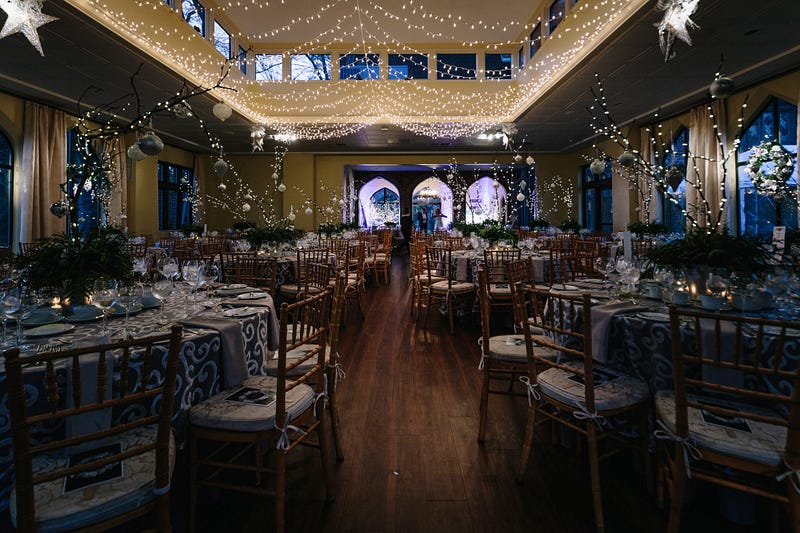
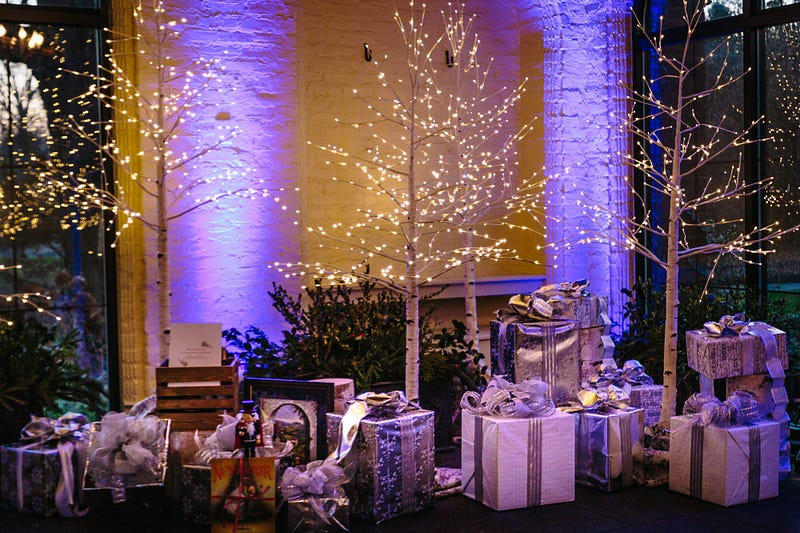
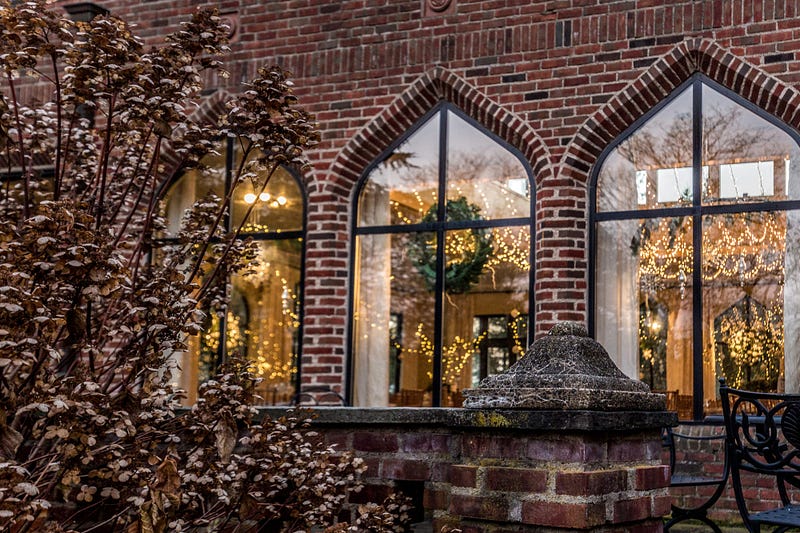
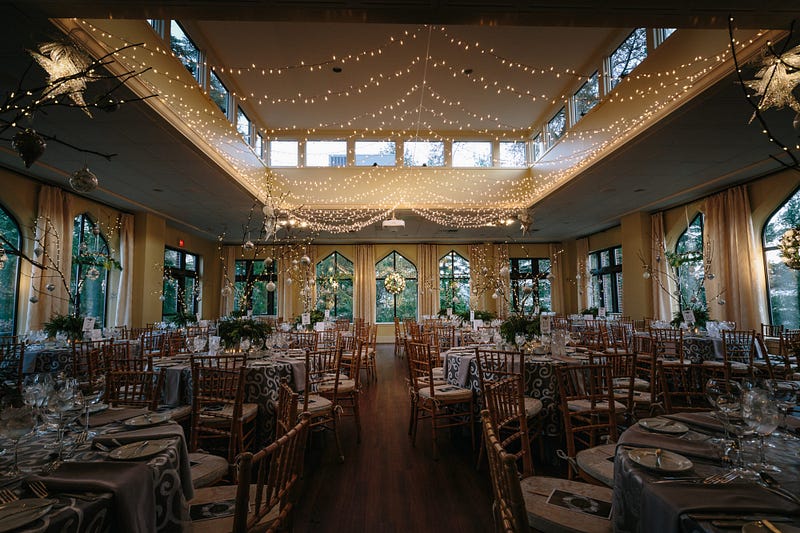
SaveSave
SaveSaveSaveSave
-
The Heritage Conservancy’s Christmas at Aldie Mansion
Where I live — Bucks County, Pennsylvania — is often accurately described as a charming area nestled along the mighty Delaware River in between the bustling metropolises of New York City and Philadelphia. It’s been home to people like James Michener, Pearl Buck, Oscar Hammerstein, Stan and Jan Berenstain (yes, those bears), Justin Guarini, P!NK and my favorite hometown celeb, Timothy Stack (aka Notch Johnson). It’s also home to a place called Aldie Mansion. Aldie was built in 1927 by William and Martha Mercer. William was the younger brother of Henry Mercer, Bucks County’s renowned tile maker, concrete sculptor and amasser of one of the world’s largest collections of tools and machinery from the Industrial Revolution.
-
This is Our Town: Spotlight on Teachers
A few months ago, I kicked off a project that had been bouncing around my head for awhile. I called it “This is Our Town.” It’s an ongoing series of portraits focused on the humans that make up my hometown: Doylestown, Pennsylvania. The project is generously supported by my friend, Mike Markowitz, owner of the restaurant where they are displayed.
-
The Importance of Paris
Just started reading David McCullough’s book, “The Greater Journey: Americans in Paris.” McCullough tells the stories of people like Samuel F.B. Morse, James Fenimore Cooper, Charles Sumner, Elizabeth Blackwell and others who sailed to the City of Lights seeking to learn. Many of those who made the journey went on to achieve great things for both America and the world. I was scrolling through my photo catalog and this throwaway shot from my last visit to the city on the Seine fired up my wanderlust.
 Mike Maney