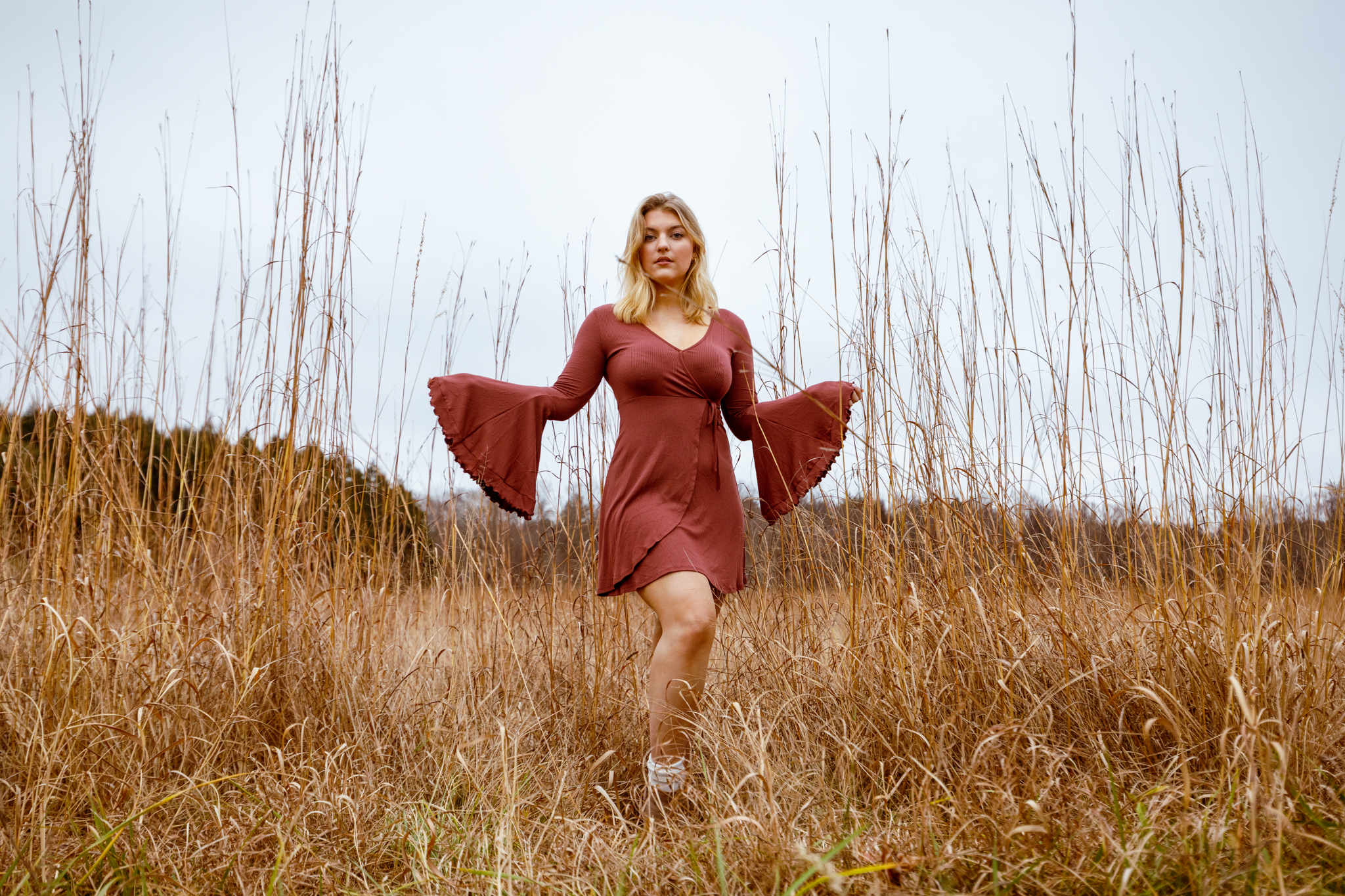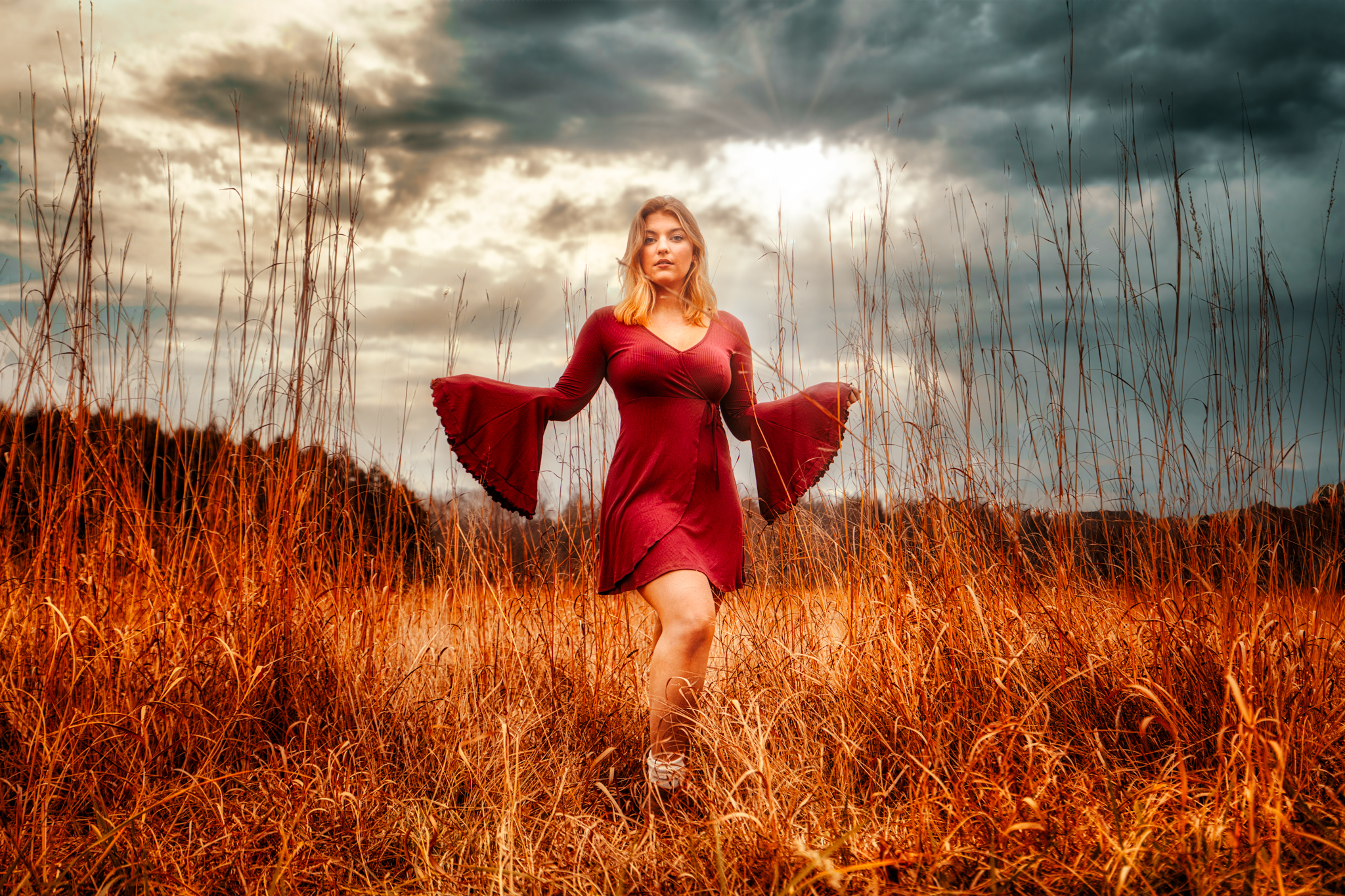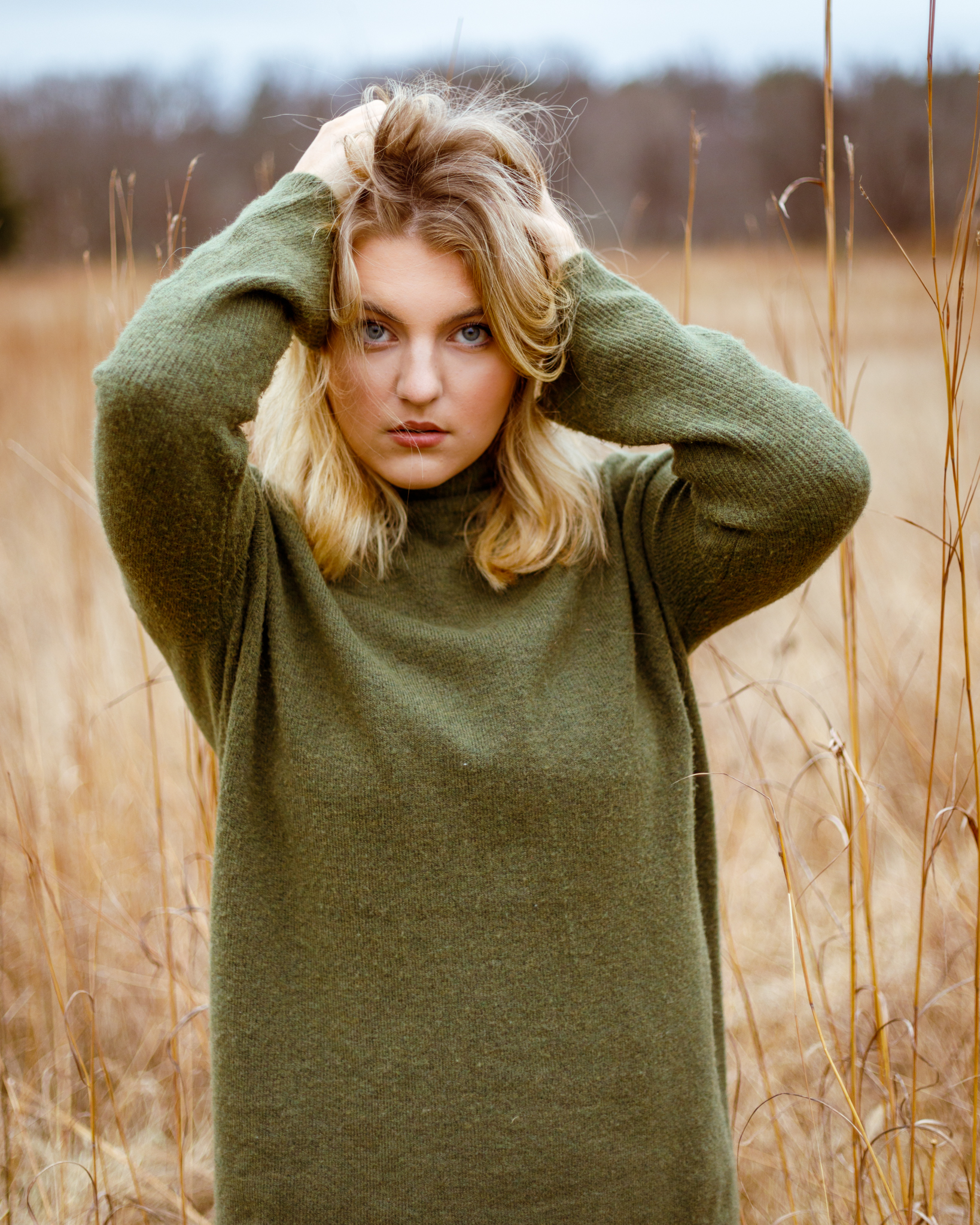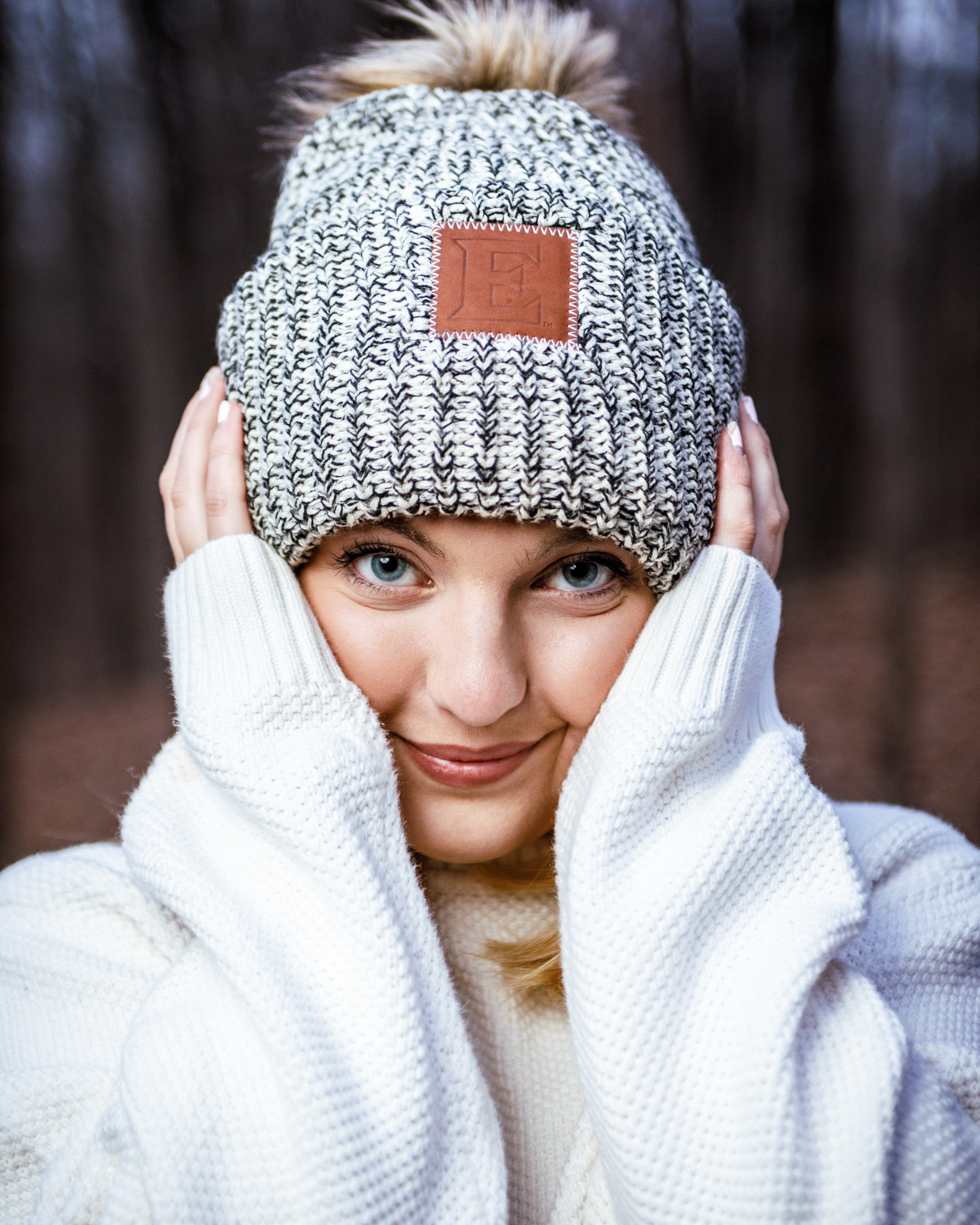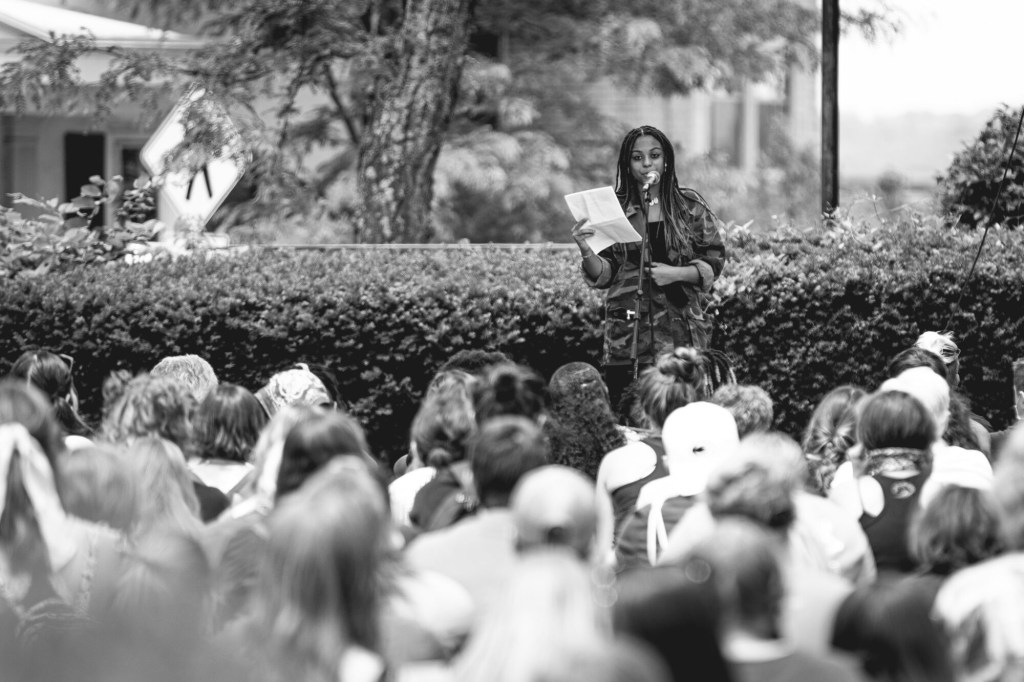
It’s a rare Sunday morning when Eric Norlin and I aren’t engaged in heady philosphical debate. Fingers furiously tapping away in chat windows swaying each other to the merits of our individual point of view. It’s an exercise of critical thought. A way to check our personal assumptions – and have the cross-checked. Often, at least from my side, it’s the argumentative equivalent to getting smashed into the boards by the burliest Canadian NHL defensemen (even though Eric lives just over Canada’s southern border).
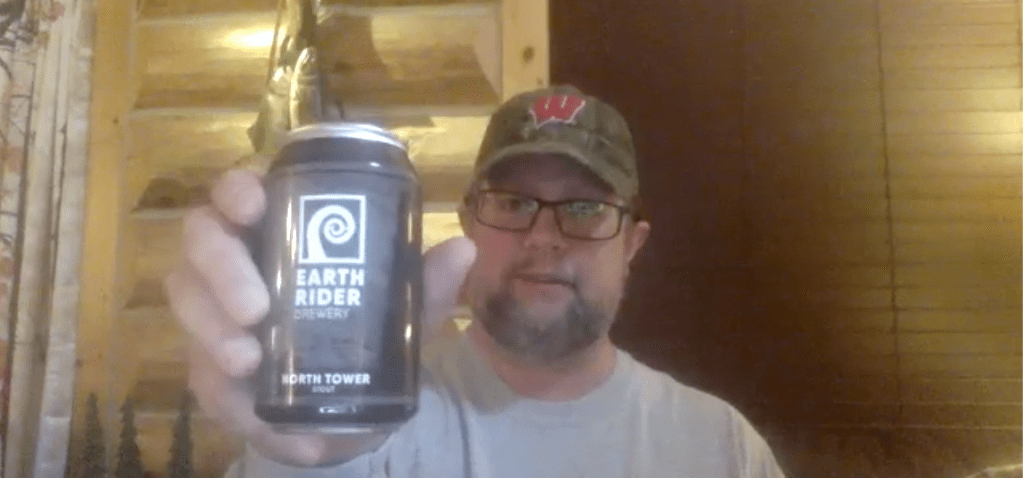
These are enjoyable, invigorating conversations historically conducted over coffee and kept to ourselves. Except Eric and I also enjoy and are invigorated by craft beer. IYou know where this is going.
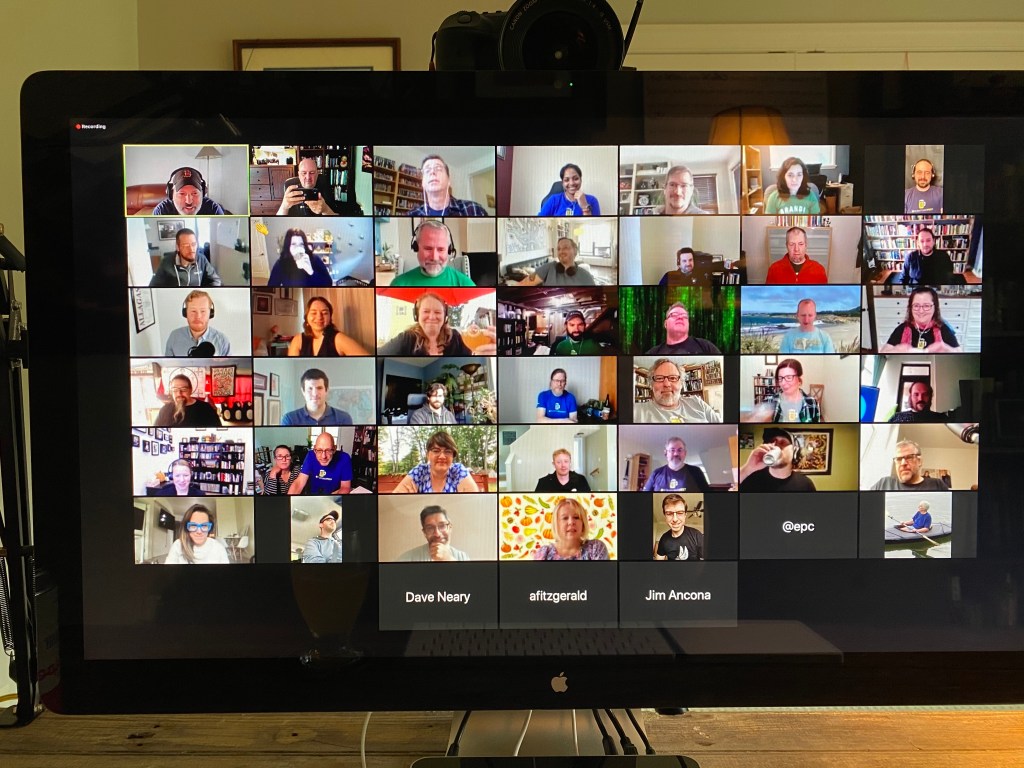
Below is the first episode — the worldwide premiere — of the future Emmy-nominated video podcast series, “Pint of View.” Or, as Eric and I refer to it, “Mike and Eric Drink a Beer and Argue About Stuff.” In epsidode one, we tee up the debate about the future of the Covid-19 work from home shift. We’re still working out the audio visual kinks, but figured we’d follow the old startup adage of ship it and iterate as we go.
I have trouble understanding what makes a person fly a flag or put a bumper sticker on their car in support of a political candidate. If you believe in democracy, you should believe that whoever is elected, regardless of the party they are from, represents all Americans — the rich and the poor, the healthy and the sick, the educated and the unedcuated, those who voted for him or her and those who didn’t.
Sadly, this is not the America we live in today. America in 2020 is a bifurcated nation clinging to the thinnest of fibers holding our democratic republic together. The chasm that splits the American populace runs deeper and darker than mere politics. It is an increasingly sharp gap splitting those who believe in an America for all and those who believe in an America for some.
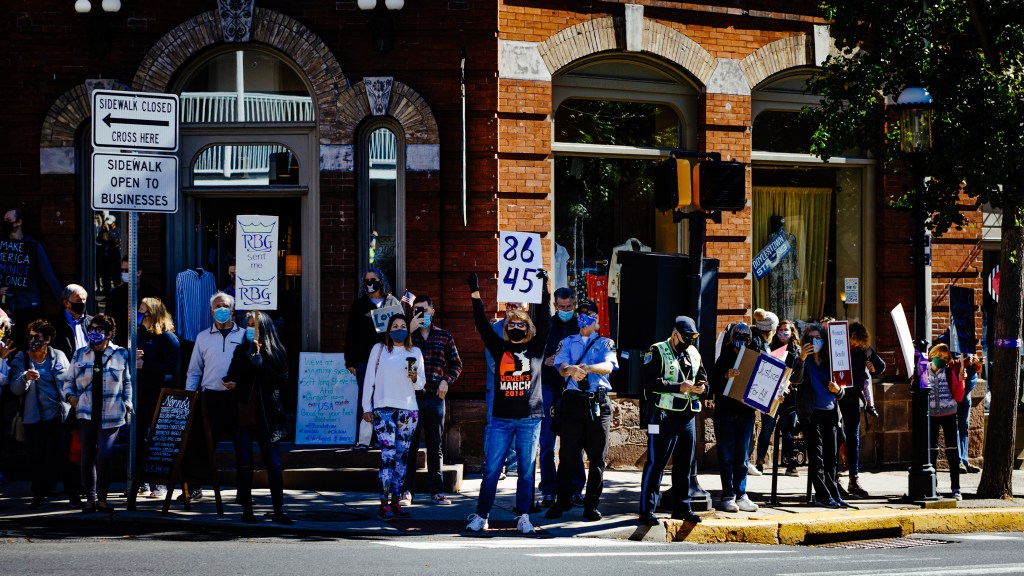
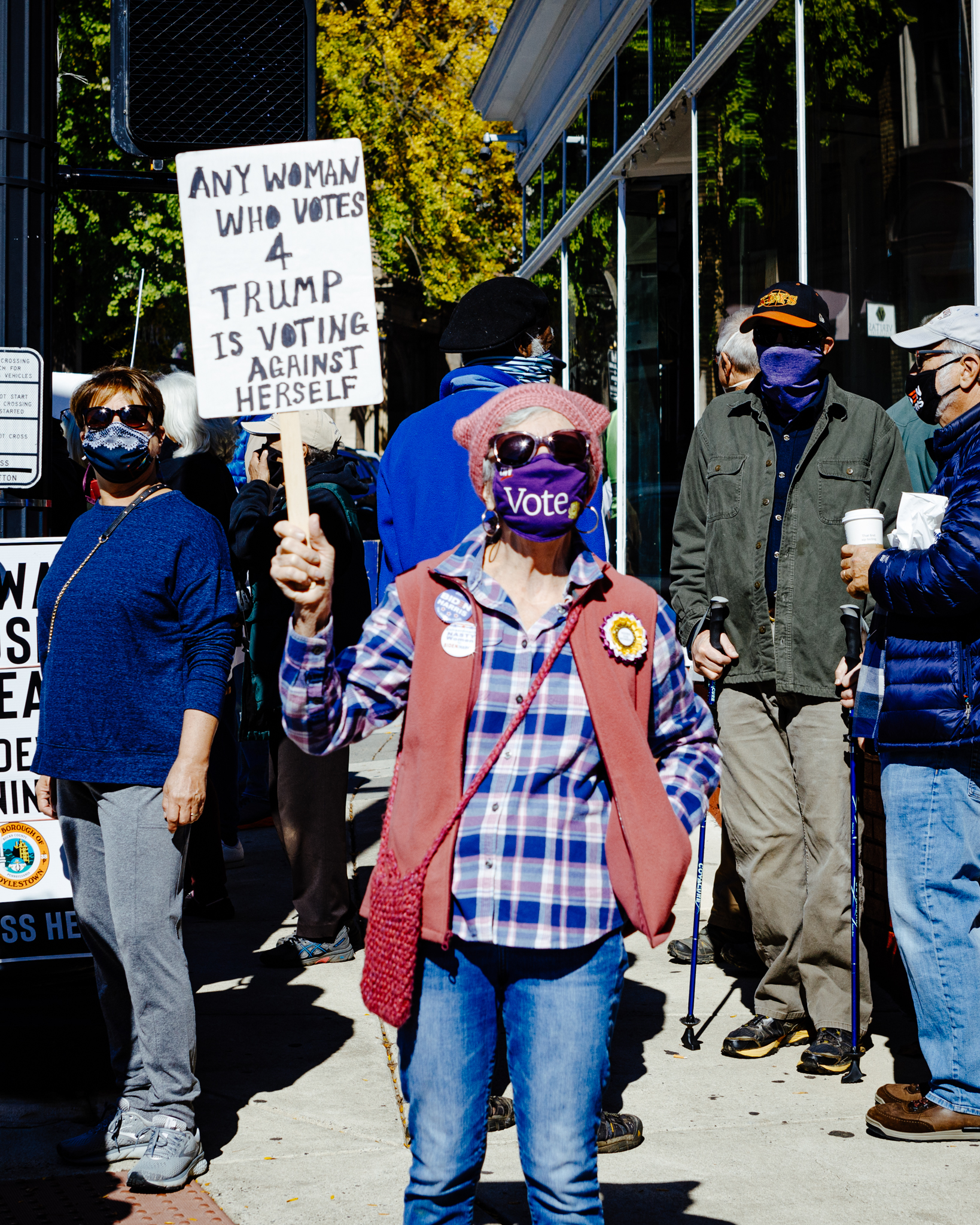
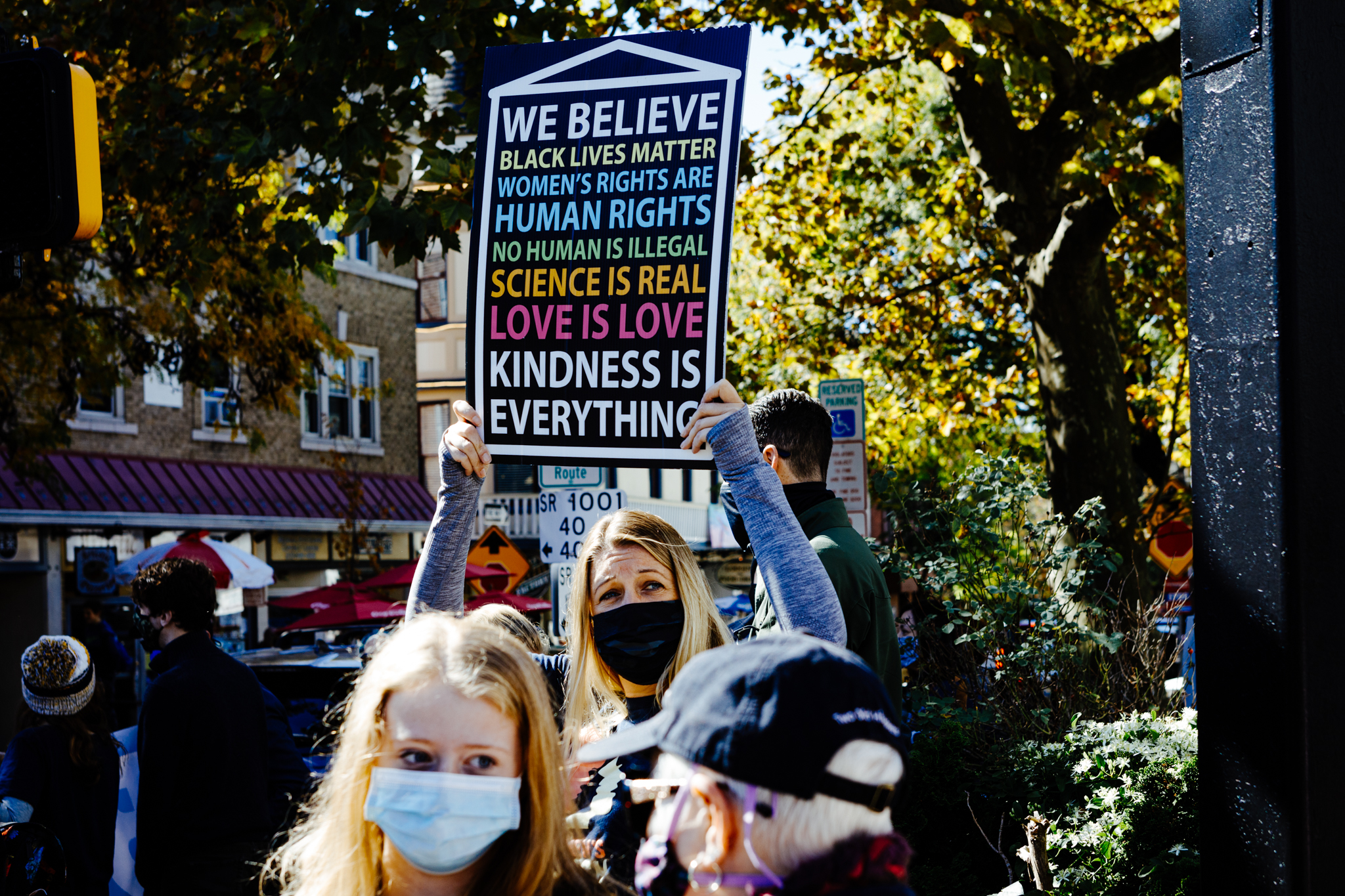
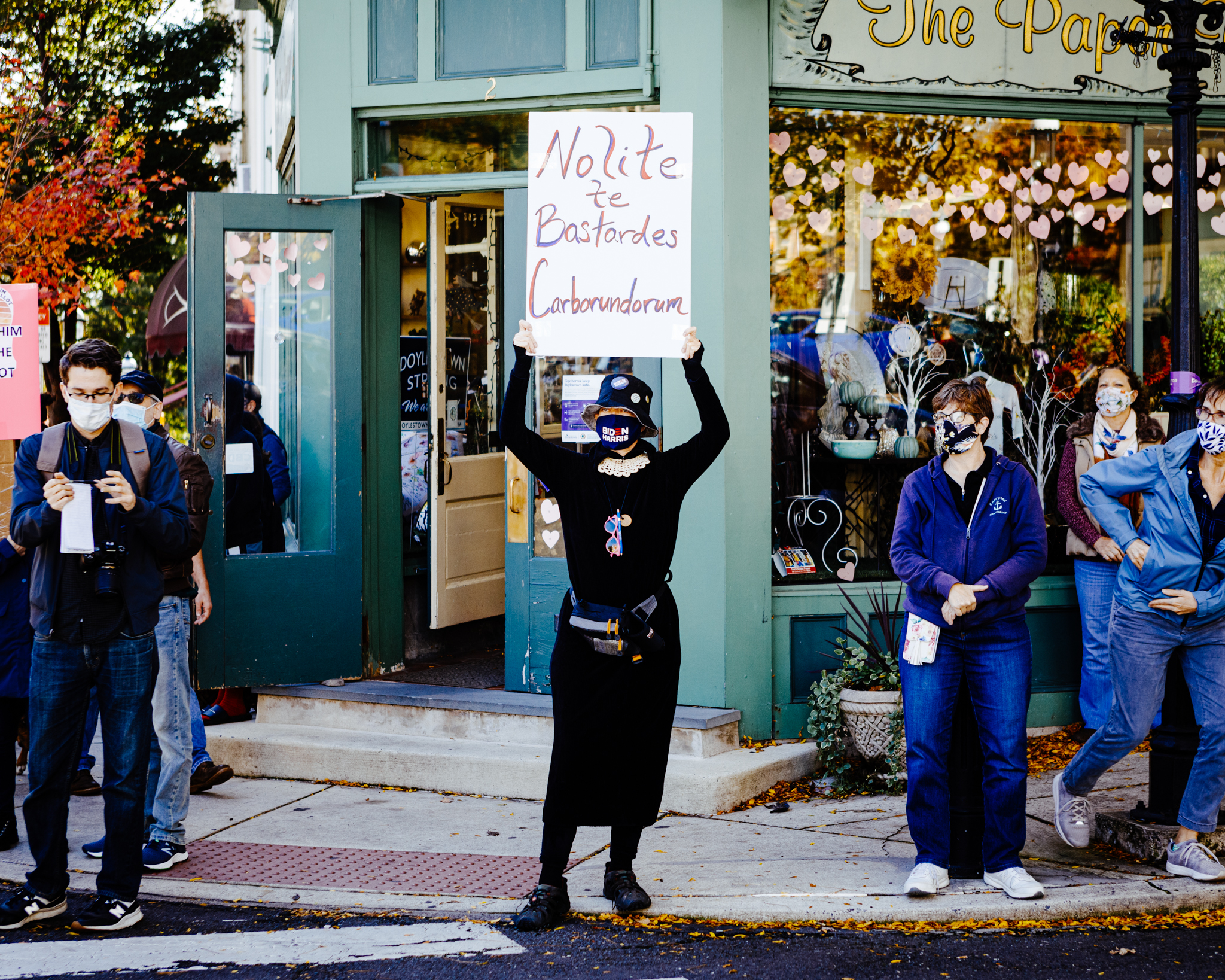
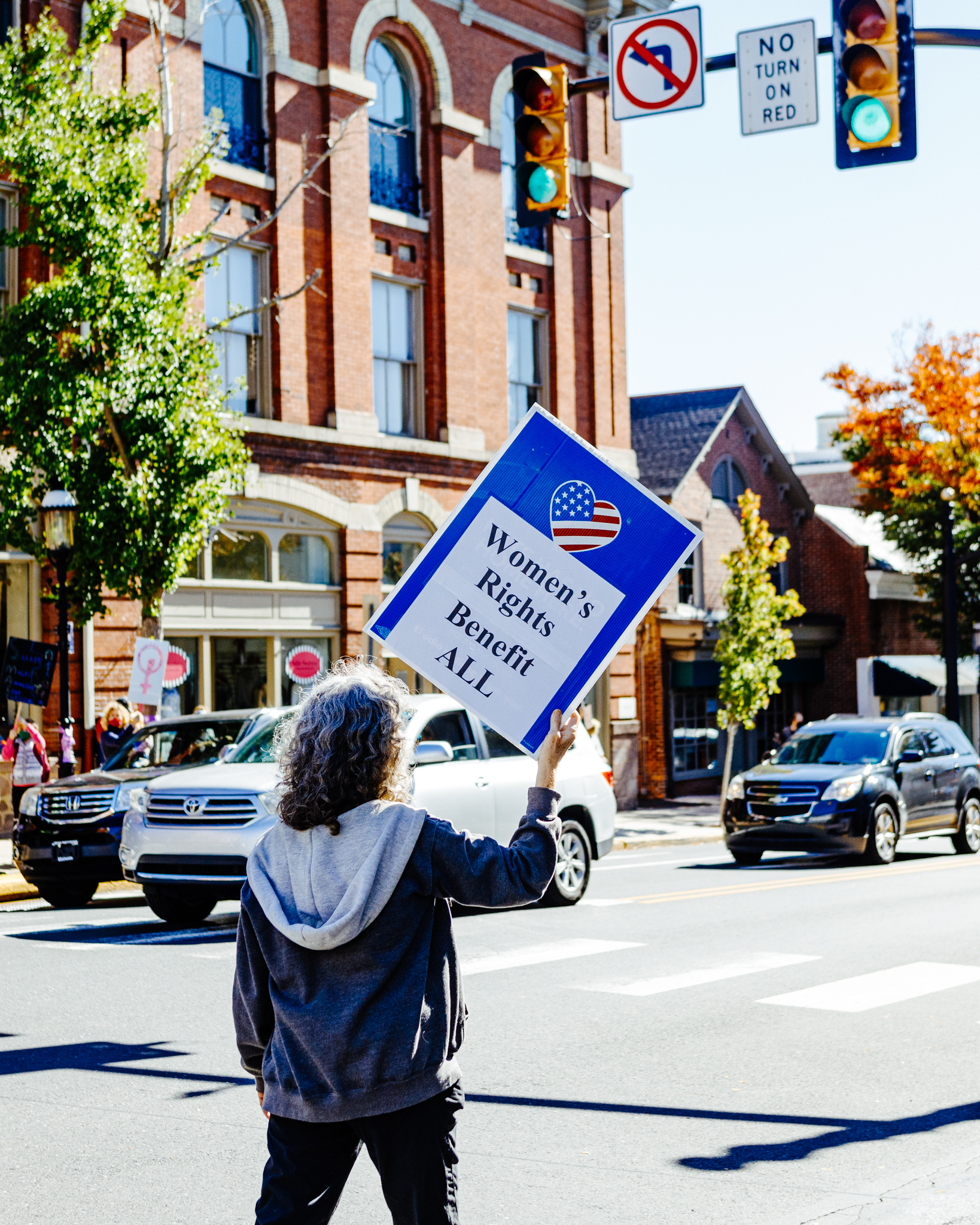
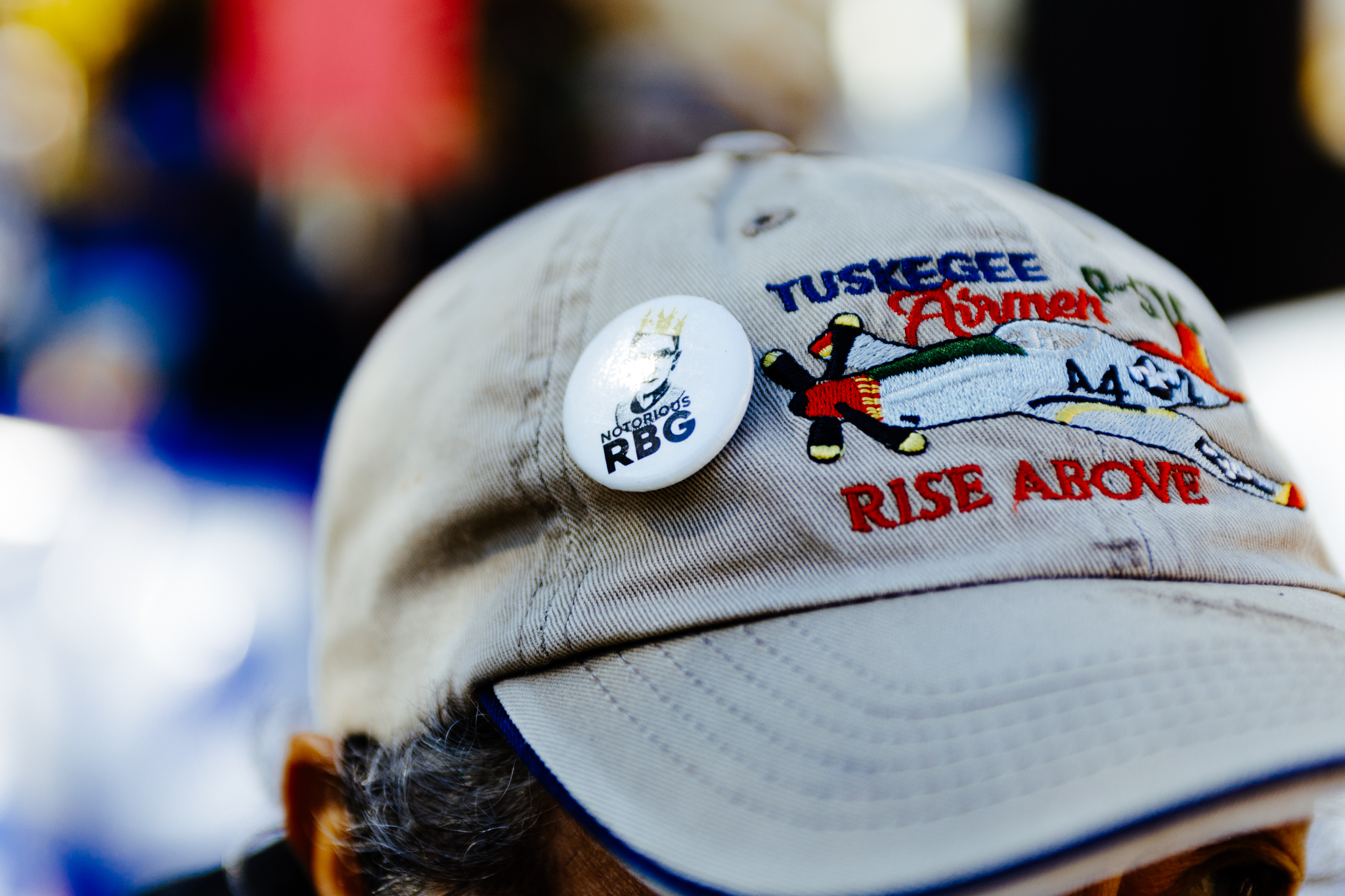
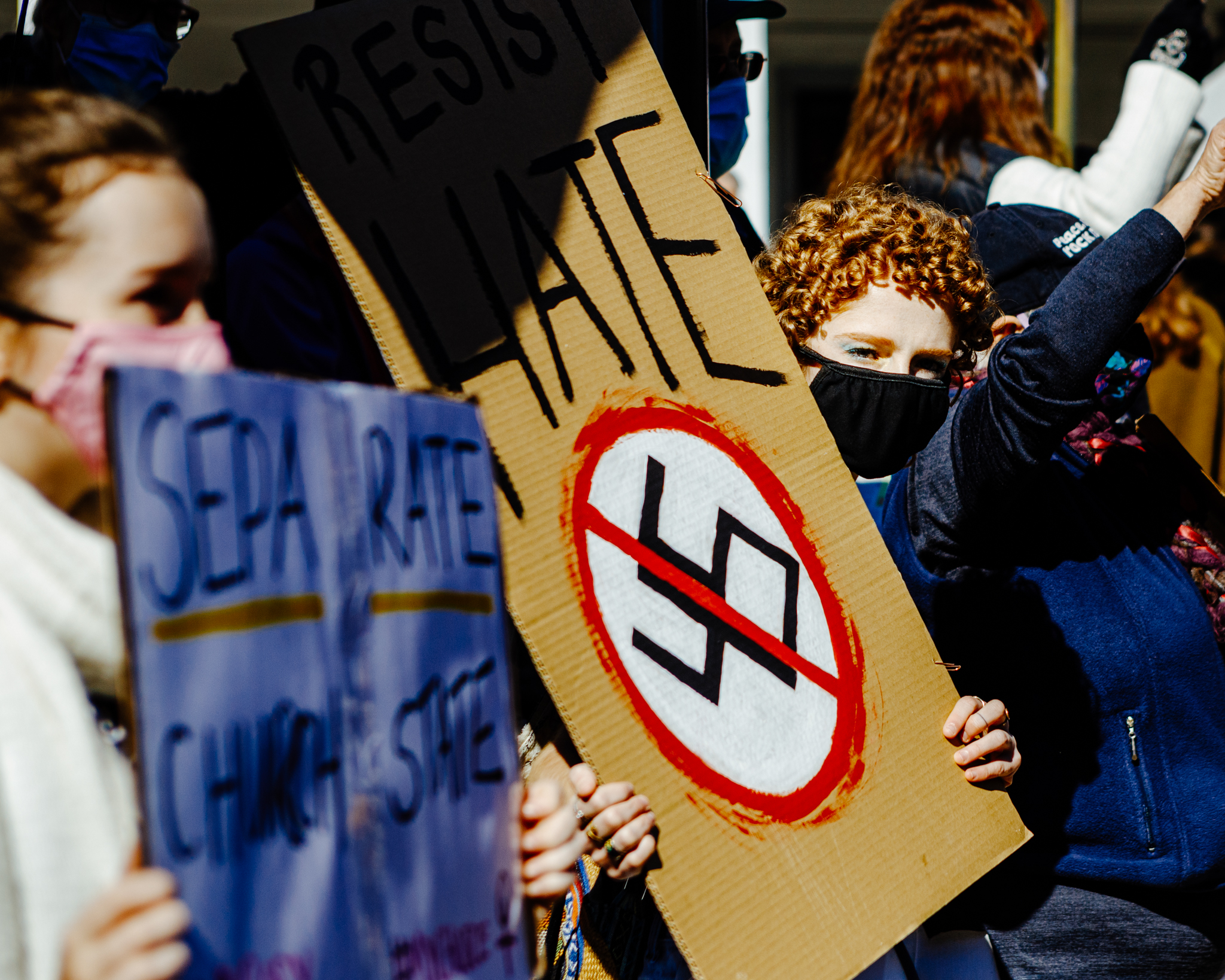
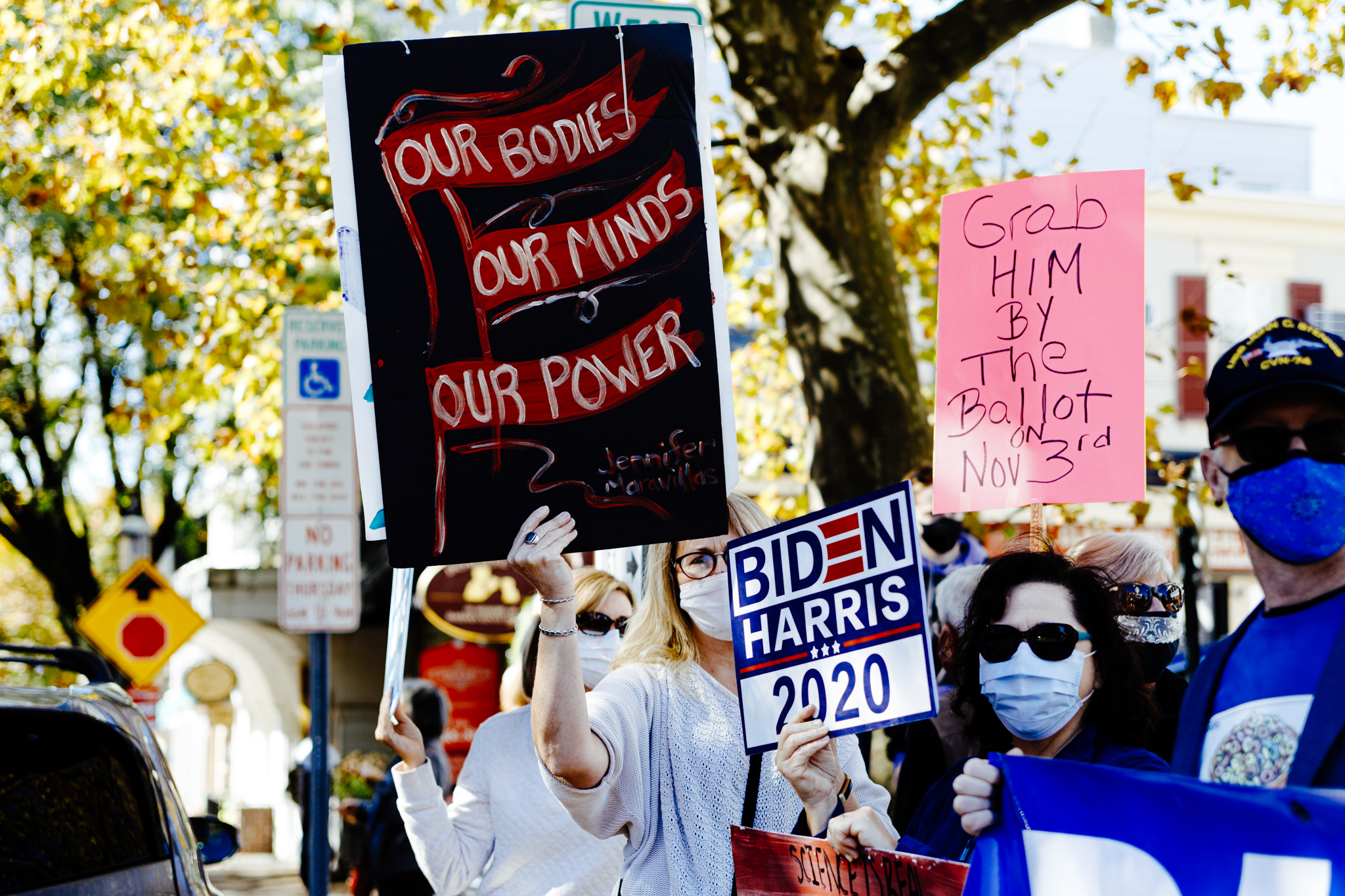
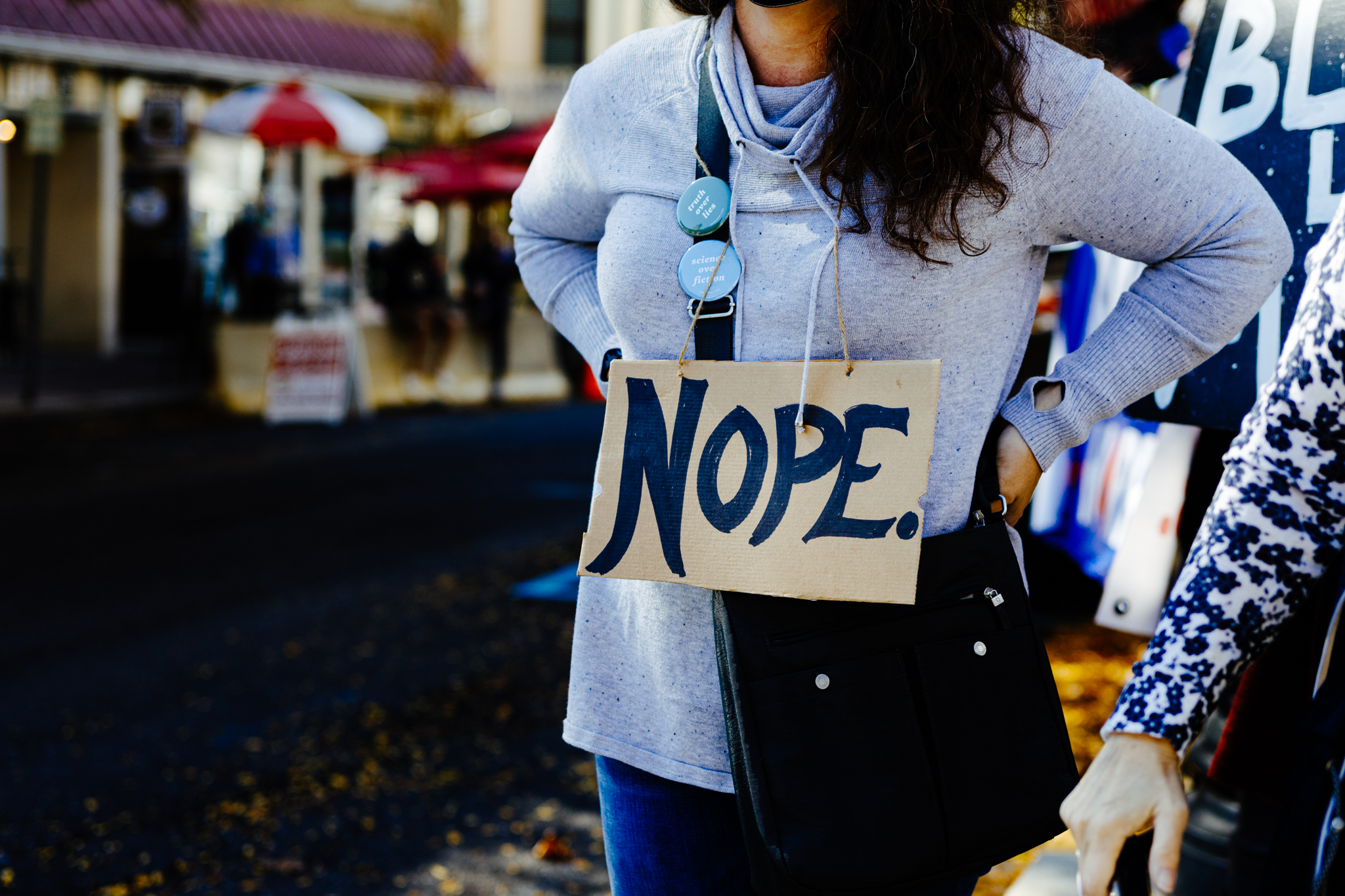
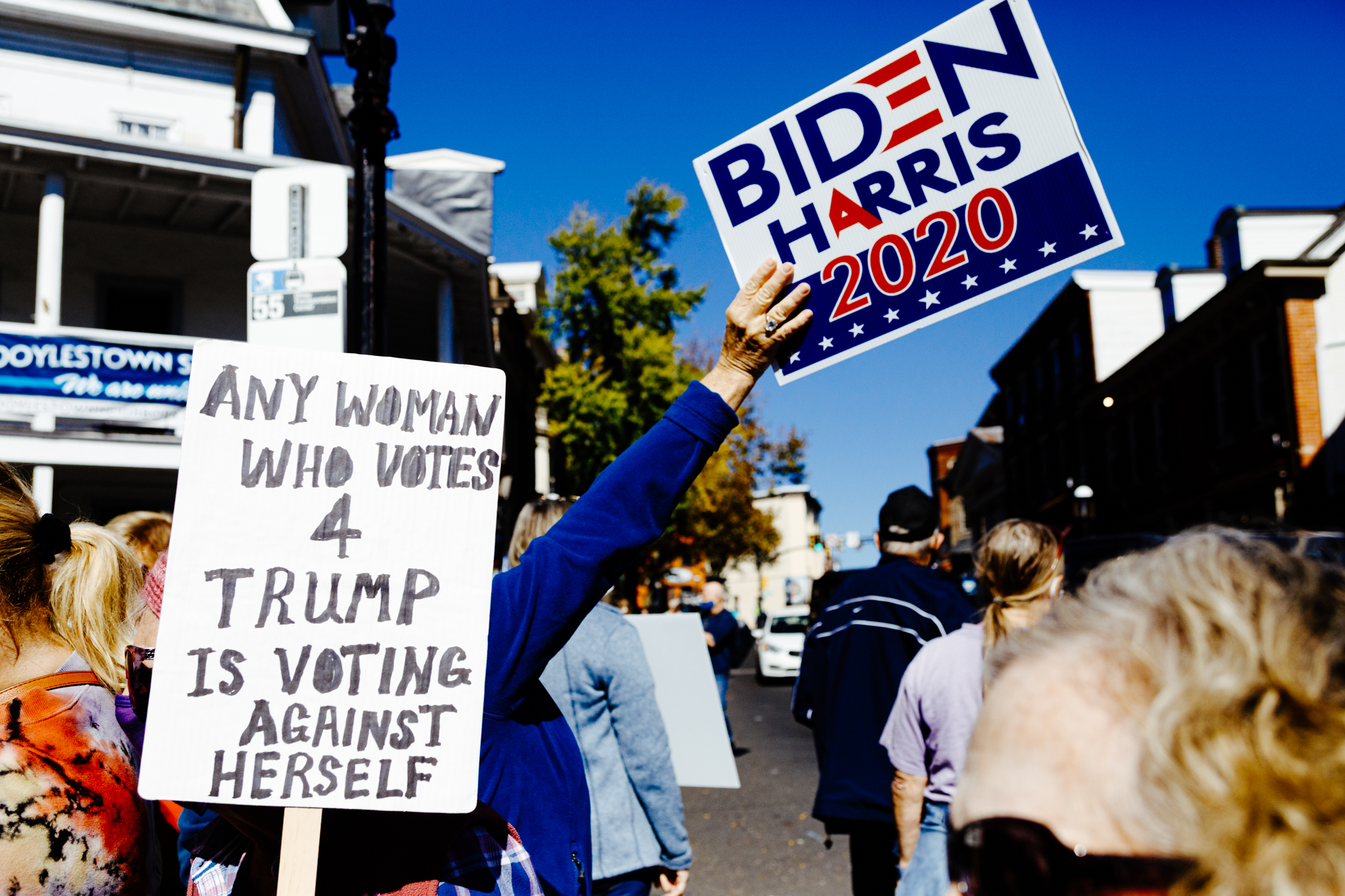
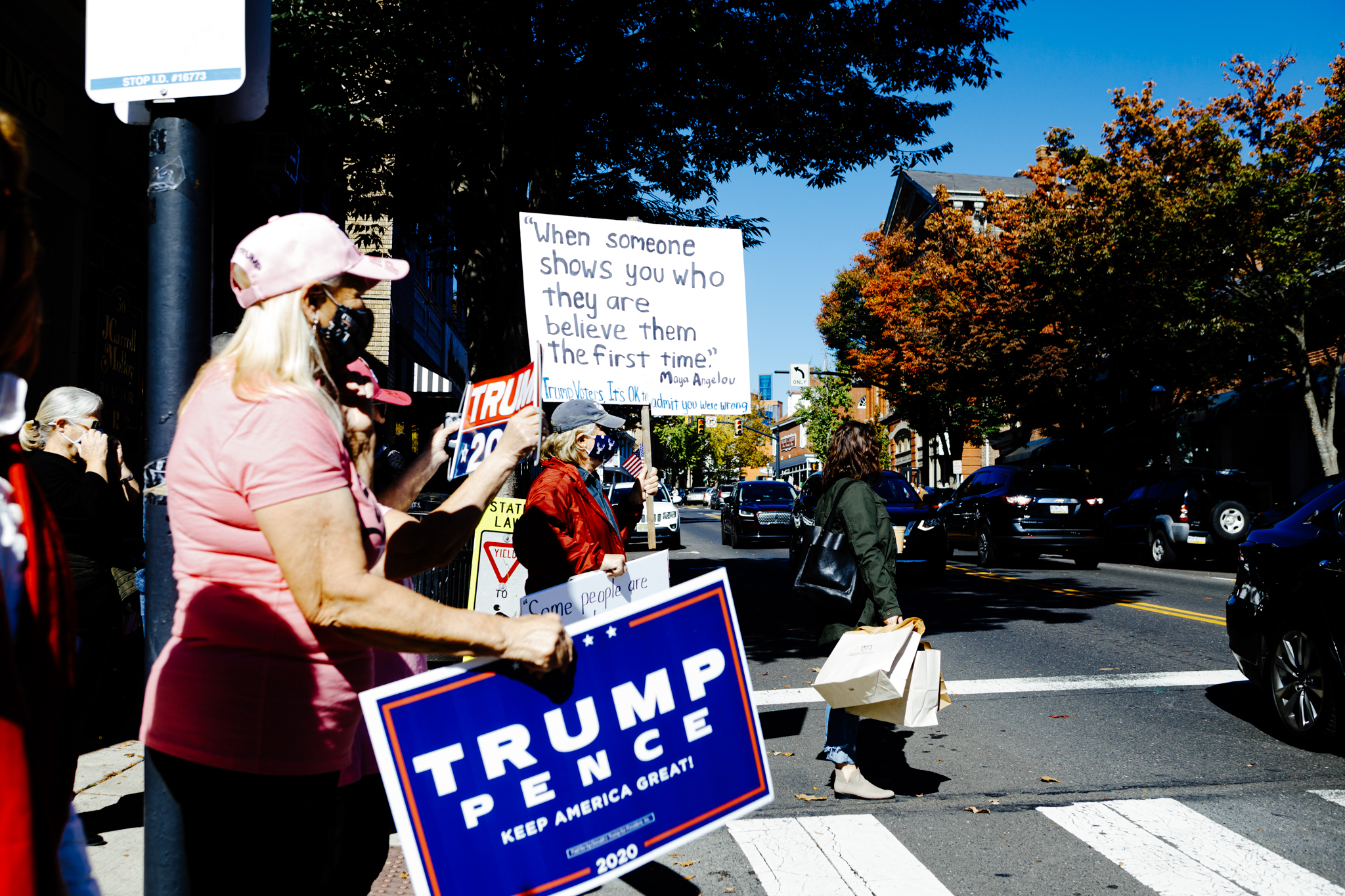
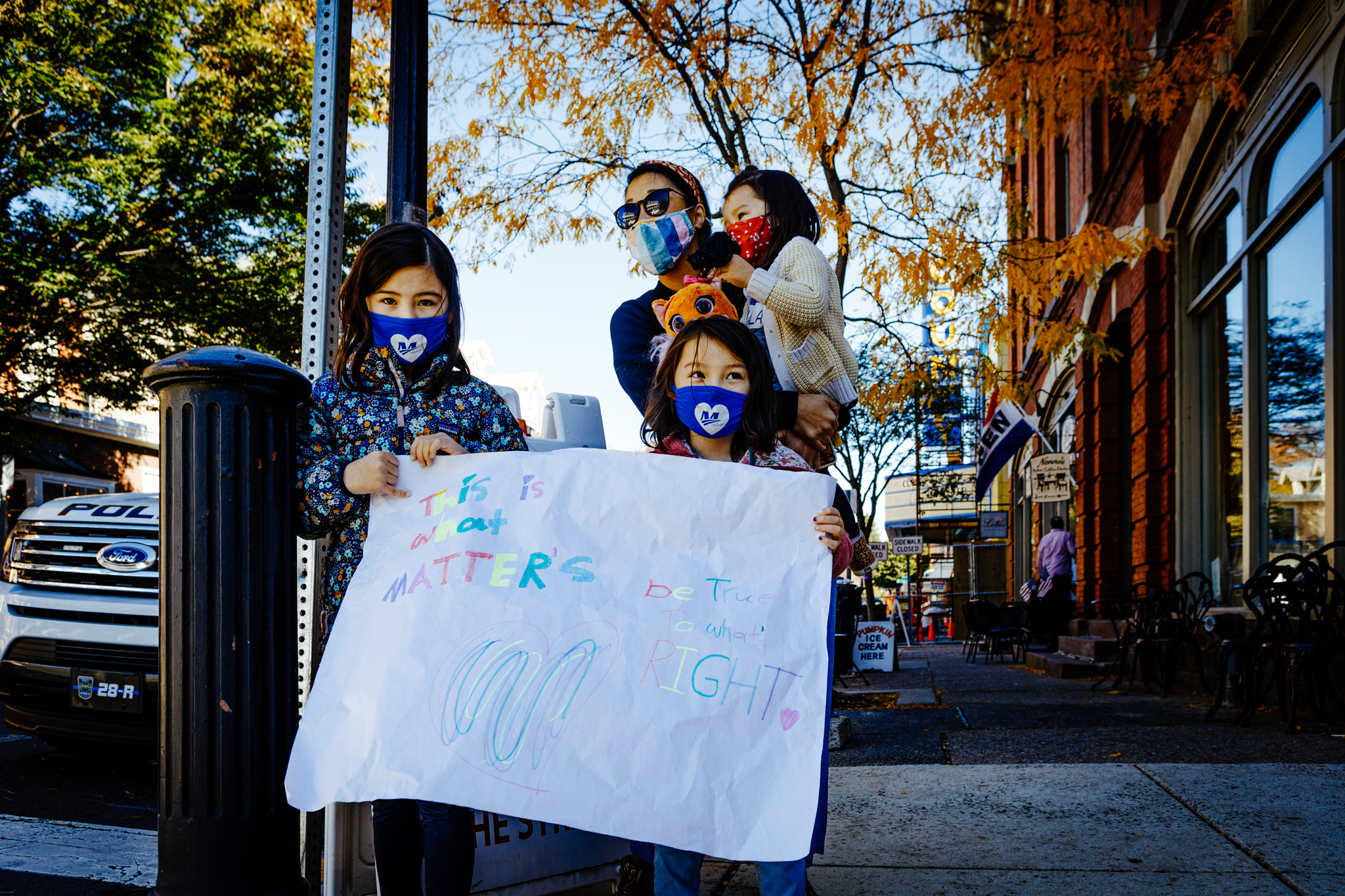
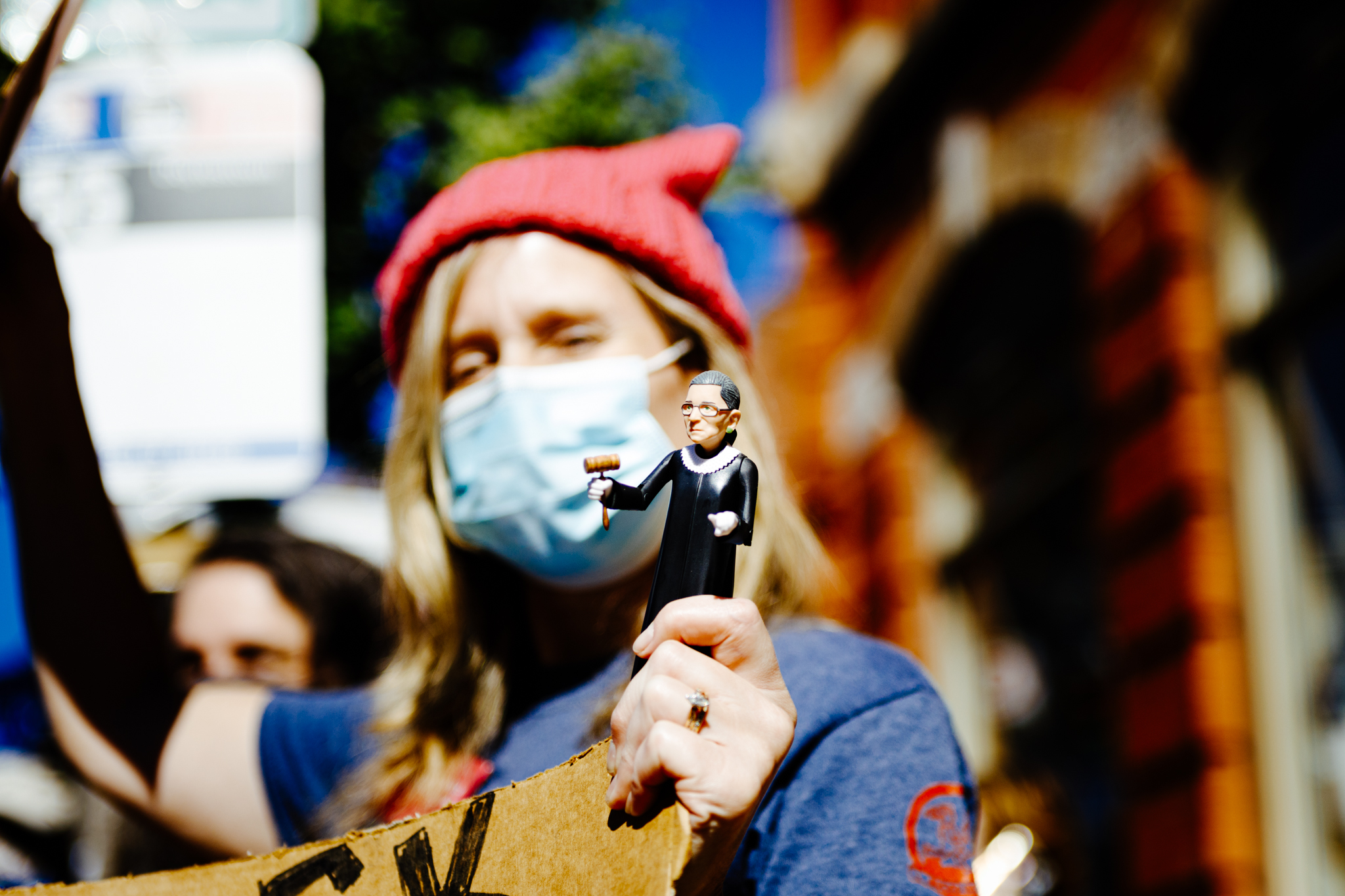
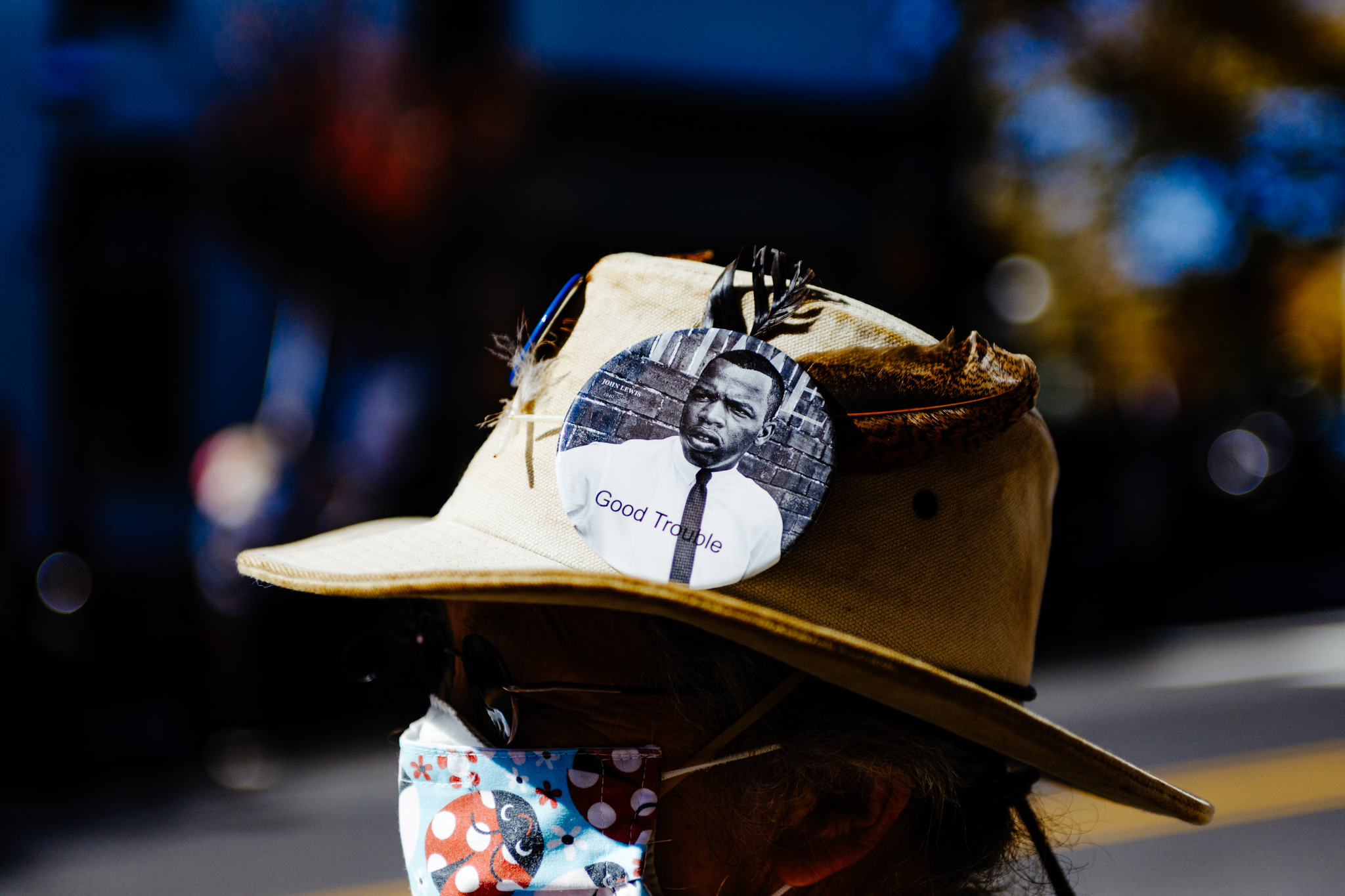
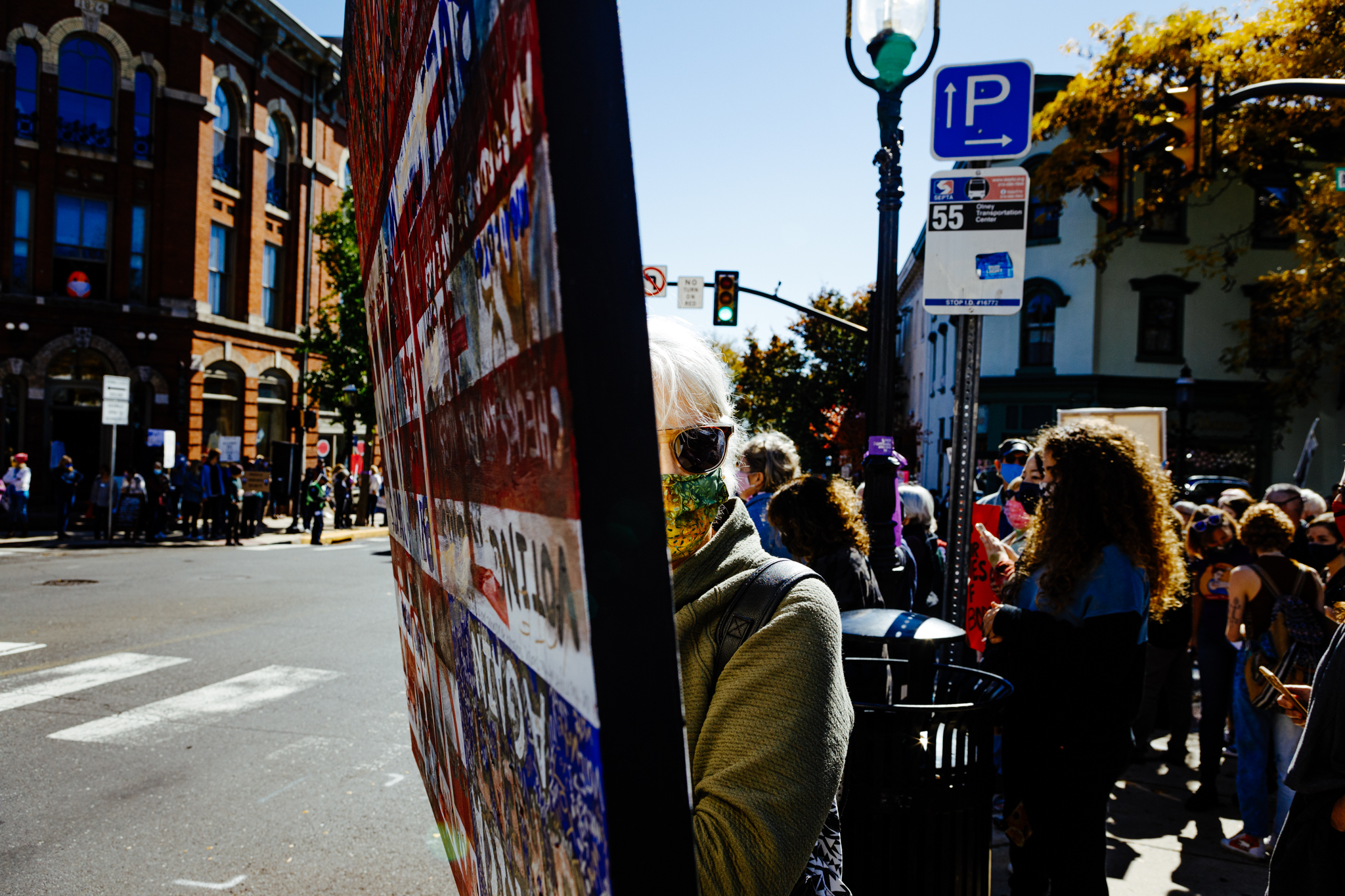
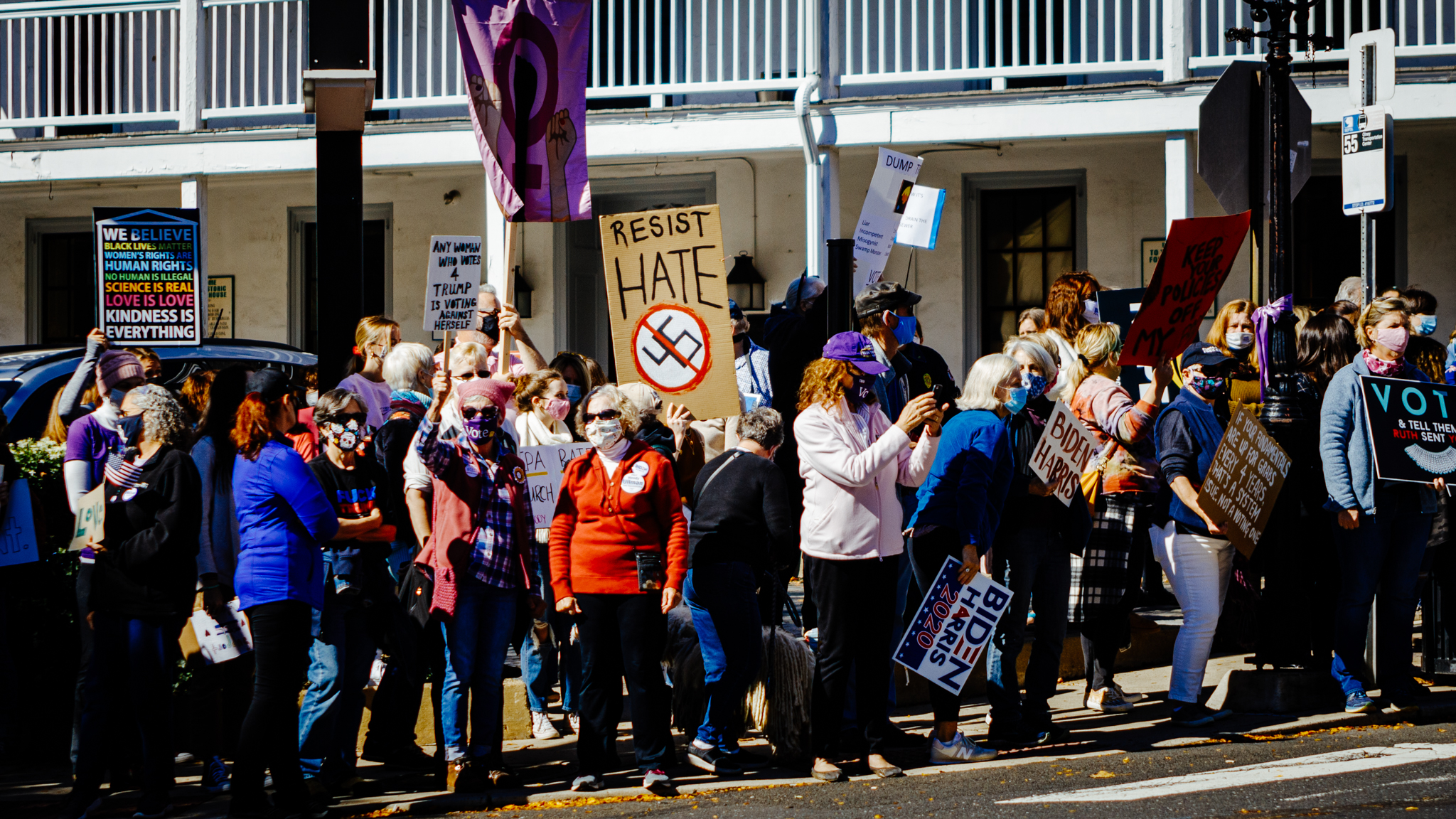
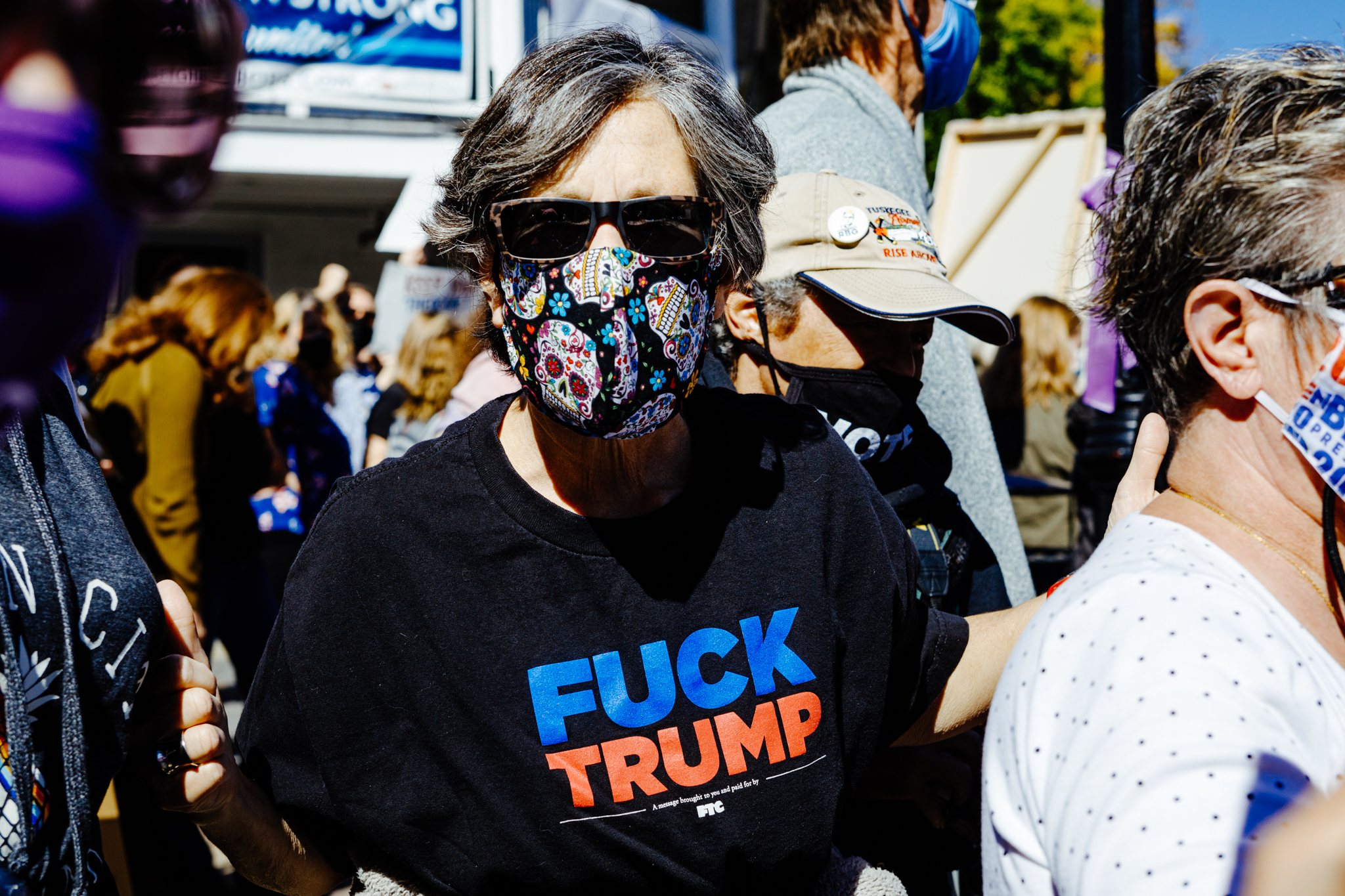
That American bifurcation was evident this afternoon in Doylestown, Pa. Those on the side of equality gathered at the four corners of State and Main in the center of town, brandishing signs and chants in support of women’s rights, Black Lives Matter, science, and democracy. A small gathering formed near the old county courthouse, wielding signs and familiar red baseball hats that have become synonymous with a political party hell-bent on ripping basic human rights from their fellow citizens and destroying democracy from within. This smaller contingent awaited a caravan of vehicles rallying in support of the president* and candidate they worship.
And that’s where my troubled understanding of the current state of politics starts. Those gathered in the center of town weren’t there to chant for a candidate, though a few did hold signs with the candidate’s name on them. They were there in support of the rights and lives of others. Those at the courthouse and in the caravan chanted for their candidate like he was the return of Christ, giant flags waving out of their sunroofs and truck beds as if it was a Super Bowl celebration parade.
I captured a few images from the events. I’ve chosen to only include the images from the gathering in the center of town. My role as a photographer is to capture a glimpse of the world around me, to freeze moments in time for future generations. But with that comes an ethical obligation not to exploit those who have become detached from reality and lack the cognitive ability to understand their vulnerablity in falling prey to a sociopathic cult leader.
I should be in Portland, Maine, this week. Like I have been every October for the past nine years. I should have been on a boat in the middle of Casco Bay last night watching the sun set over the edge of the Atlantic Ocean. I should have been gathering with friends old and new at Honey Paw and Novare Res for amazing food and drink.
I should be at Monktoberfest.
But Covid.
America’s sad, disheartening, and infuriating lack of response to this global pandemic wiped out every event on the calendar. Some will come back. Monktoberfest will be one of them. Of that I am confident. Because it has to. It serves a vital role as a spark for important discussions by smarter people than me on tough, raw issues that the technology industry — and society itself — seeks better understanding.
I’ve been lucky, privileged, and honored to attend Monktoberfest each year. While I didn’t intentionally set out to chronicle its evolution, I inevitably seemed to always have a camera with me. Shocker, I know. So, with a few extra minutes of time on my hands last night that should have been spent making bad late night decisions over ridiculously good craft beer in a dark bar, I instead whipped up a little slideshow of a few of the images I captured during my annual sojourns to Portland. I hope you enjoy them.
Where some see the death of the DSLR, I see different tool in my photographic repertoire
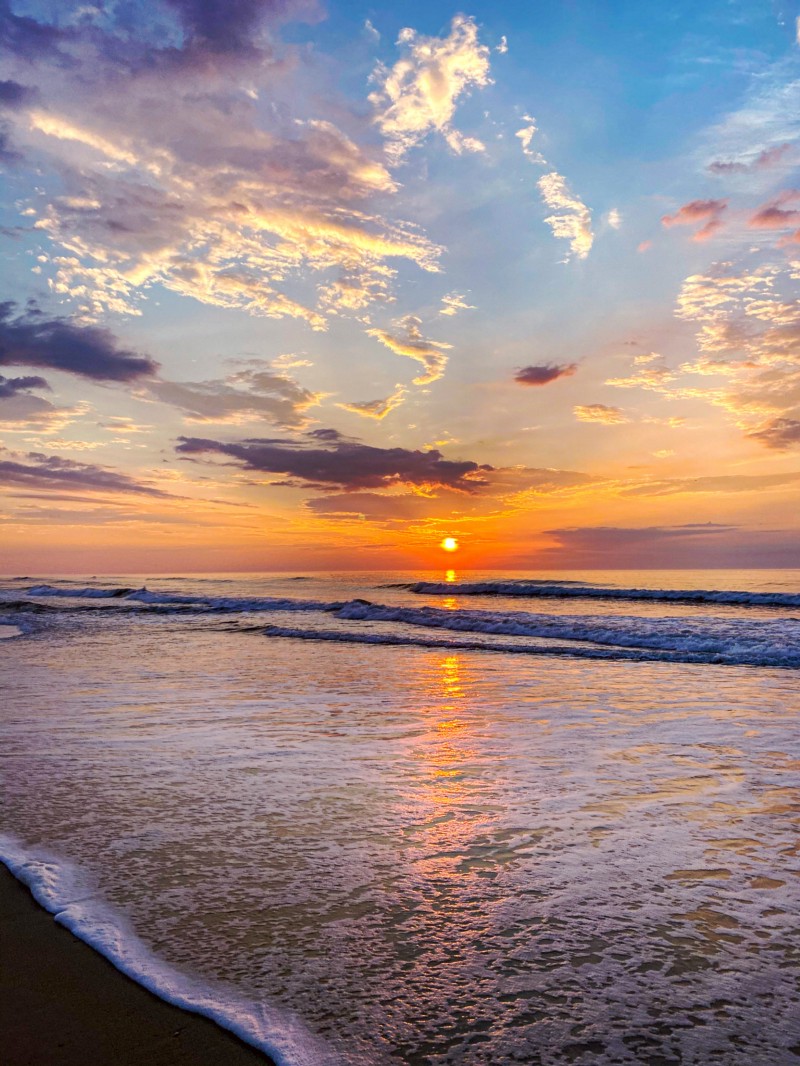
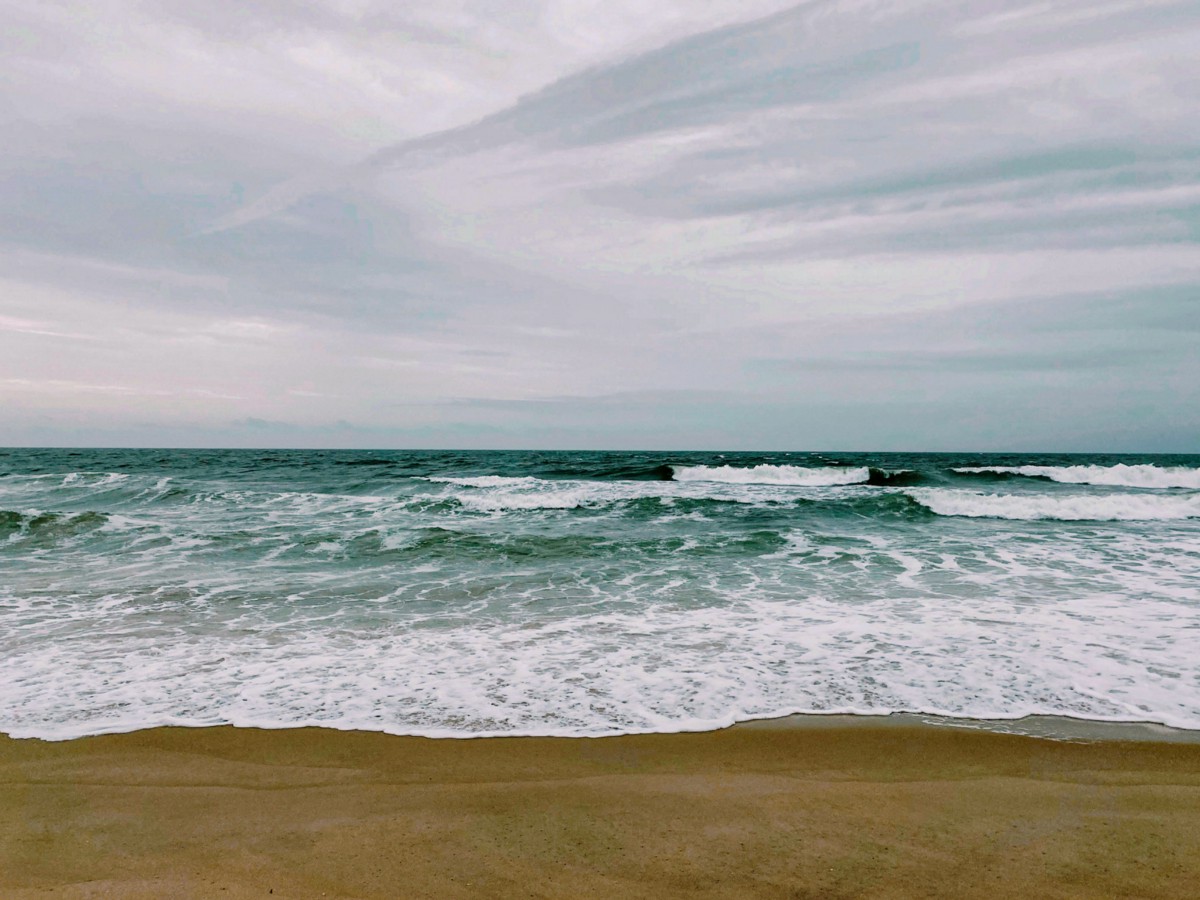
I put my beer down and grabbed my iPhone. Approaching the sand dune, I tightened it into the clamp on a miniature carbon tripod. A quick finger touch on the screen launched the default camera app. With a slight bend in my arms, I composed my shot. The result? A handful of really nice golden hour photographs that captured nature’s majesty on the New Jersey shore.
We took advantage of a last minute cancellation to shift our Covid-19 sheltering in place to a beach house on the doorstep of the Atlantic Ocean in Long Beach Island, New Jersey. A private walkway led to the water’s edge a few steps away. Like most beach vacations — heck, like most vacations — I follow a pack light philosophy. One bag, just the essentials. For a week at the beach, it’s even lighter: a pair of shorts, t-shirts, bathing suit, sandals, a hat, and sunglasses. Depending on the timing and my workload (I’ve been a work-from-anywhere nomad for nearly a decade), I typically bring my Canon Mark 5D Mark IV with either a 16–35L or my Nifty Fifty mounted to it. This week I said screw it, and left the big rig at home. I’d make do with my iPhone.
But bringing the iPhone instead of the Canon wasn’t simply because I wanted to pack light. I needed a mental break. And while I — like many photographers — am jonesing to get back out there and shoot, I just didn’t want the baggage of knowing I had an expensive, powerful rig sitting in the house inanimately chomping at the bit to be used. The iPhone is simple. It would be good enough, like the Instamatics of ye olden days. It would allow me to capture family snapshots and force me to work for anything that might be portfolio worthy.
A recent survey by Suite48Analytics of 881 photographers in North America and Europe found that I’m not alone. Lars Rehm at Digital Photography Review looked into the report and saw that 31% of the survey’s respondents said they use a camera phone more than they ever have before. What I find interesting, according to the study, is that this rise is among professional photographers for professional work, not just for taking personal snapshots.
There is no question that the computational power of today’s phones can turn a snapshot into a work of art. Noise and artifacts seem to be getting better with each software update. Lenses seem to be the weak spot for camera phones, though only when zooming (a good reminder to follow the advice my dad always gave me to zoom with my feet). Profoto even recently announced it is making professional lighting equipment for camera phones.
Do these advancements signal a death of the DSLR? I don’t think so. At least not for me. There’s still something in the physical action of looking through a viewfinder, of gripping the camera body, of the deliberateness of holding your finger halfway down on a shutter until the decisive moment when the scene in front of your lens matches the scene you see in your brain. Yes, I’ll shoot more with my iPhone. It’ll make the images I create with my Canon all the more special and meaningful.
Using NameCoach to help people pronounce U.S. Vice Presidential candidate Kamala Harris’s name correctly.
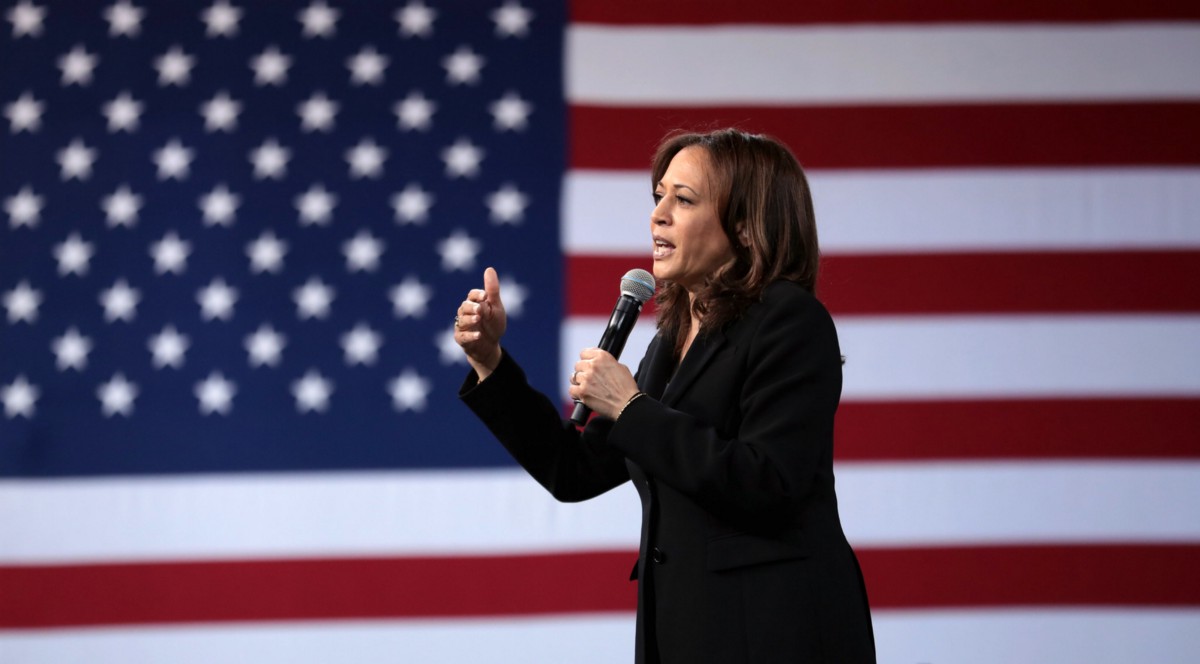
U.S. Senator Kamala Harris speaking with attendees at the 2019 National Forum on Wages and Working People hosted by the Center for the American Progress Action Fund and the SEIU at the Enclave in Las Vegas, Nevada. (Photo courtesy of Gage Skidmore via Flickr/CC BY-SA 2.0)
One of the most powerful words in any language is a person’s name. It’s something I learned in college reading Ursula K. Le Guin’s “A Wizard of Earthsea.” And it’s something recent research studies back up, using science to show that our brains involuntarily respond to the sound of our own names.
Pronouncing someone’s name correctly is important. In an educational setting, for example, saying a student’s name right has a direct, postive impact on that student’s long term success. Correct name pronunciation translates to the business world, too, in areas such as customer support, sales, and recruiting. LinkedIn recently announced a name pronunciation feature for their users.
Now, imagine you’re in the running to be the next Vice President of the United States and newscasters, pundits, and even your own colleagues butcher the pronunciation of your name in front of millions of people around the world. That’s what happened (and continues to happen) to Democratic Vice Presidential candidate Kamala Harris.
Kamala’s experience is one Praveen Shanbhag knows all too well. He created a company, NameCoach, out of the pain his family experienced when his sister’s name was mispronounced as she crossed the stage during her graduation ceremony. Praveen wanted to make sure no other family had to go through what his did. In the years since he founded the company, universities around the world have used NameCoach to help teachers and administrators create a stronger sense of inclusion for their student bodies.
In response to recent and ongoing events in the United States, Praveen used the company’s platform to support the efforts of those fighting against racial injustice. Using a list compiled and maintained by NPR CodeSwitch, he and his team created audio files for the correct name pronunciation of Black Americans killed by police.
It is intended to support those who are encouraging the public to hear and say these names, to help recognize their humanity and memorialize them. It is also intended to support the correct pronunciation of these names in national discourse. — The NameCoach Team
Which is why, today, we see Praveen once again turning the platform to address issues on the national stage, using it for civic and democratic good to ensure that the too-often-mispronounced name of a candidate for one of the highest offices in the land is said correctly. You can listen to it below.
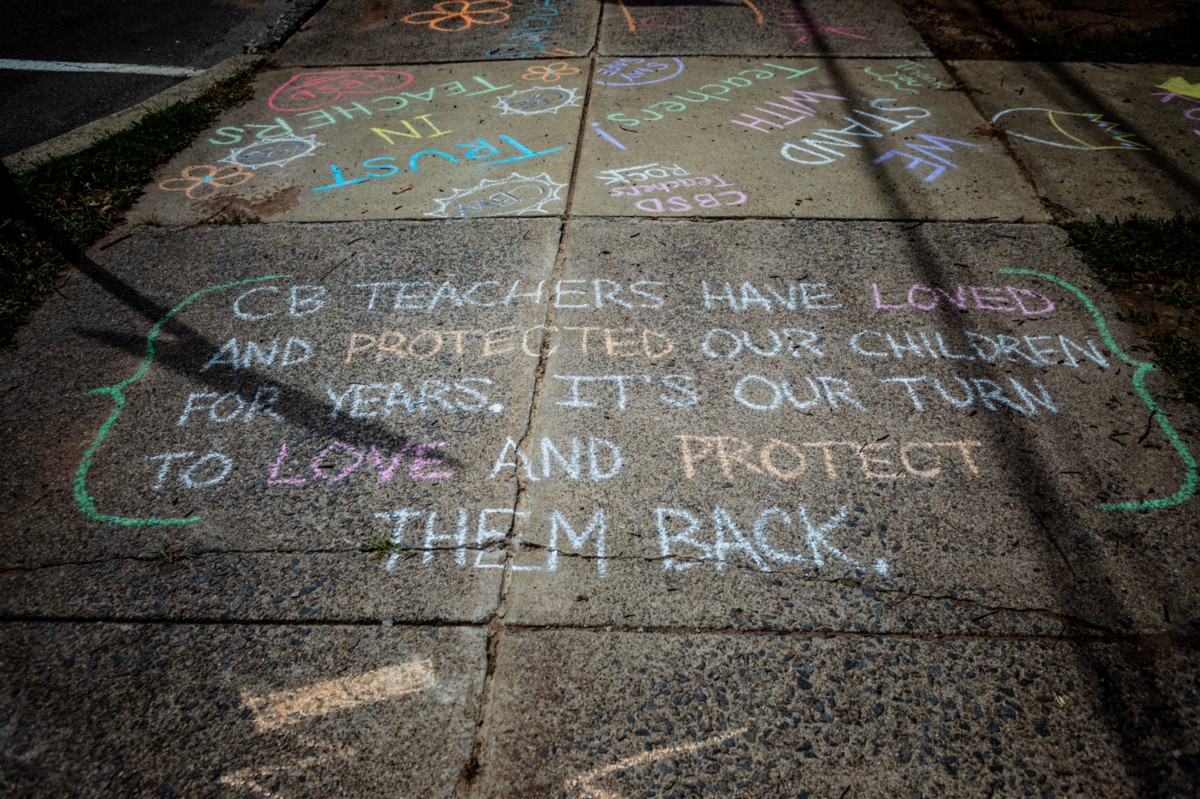
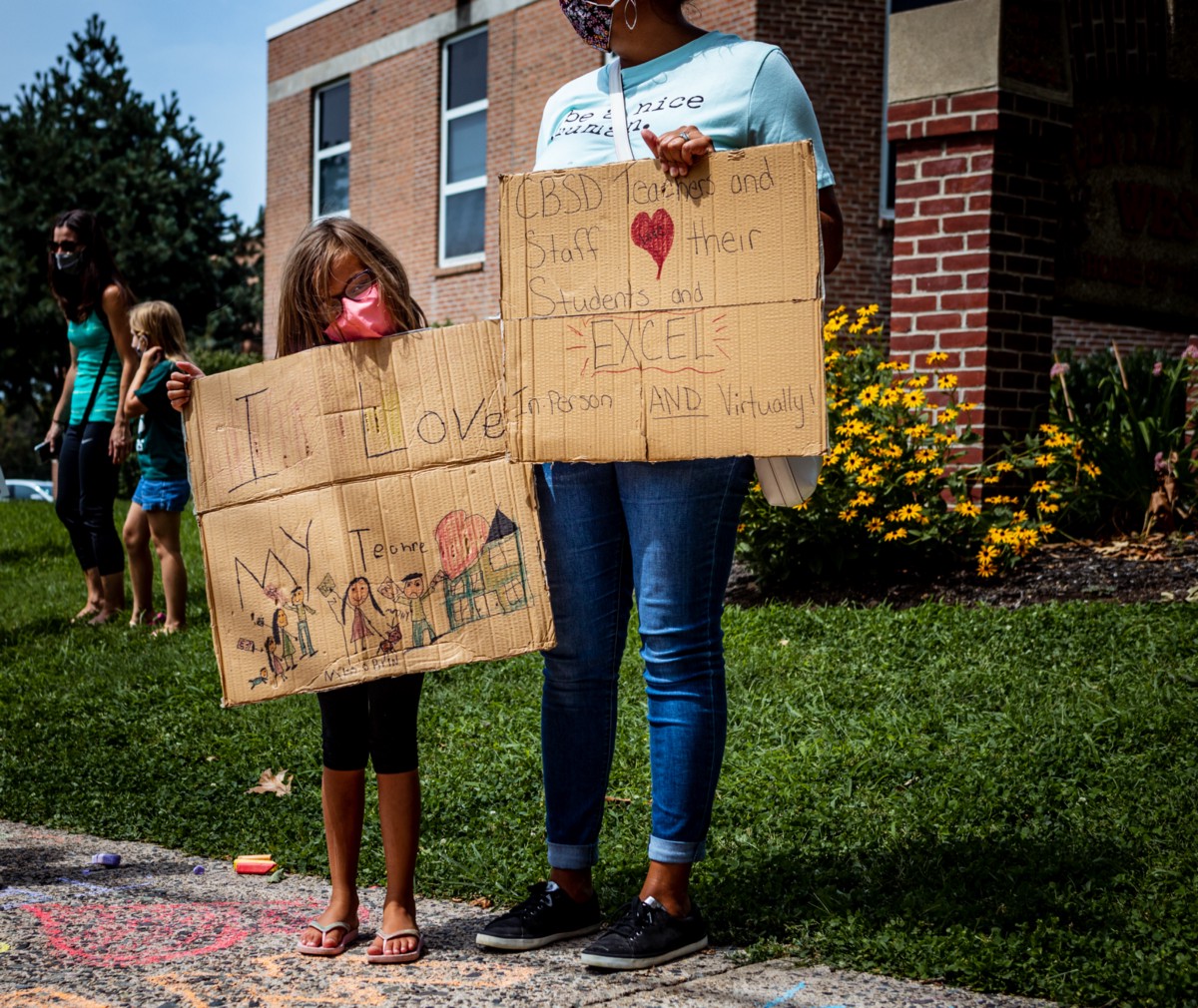
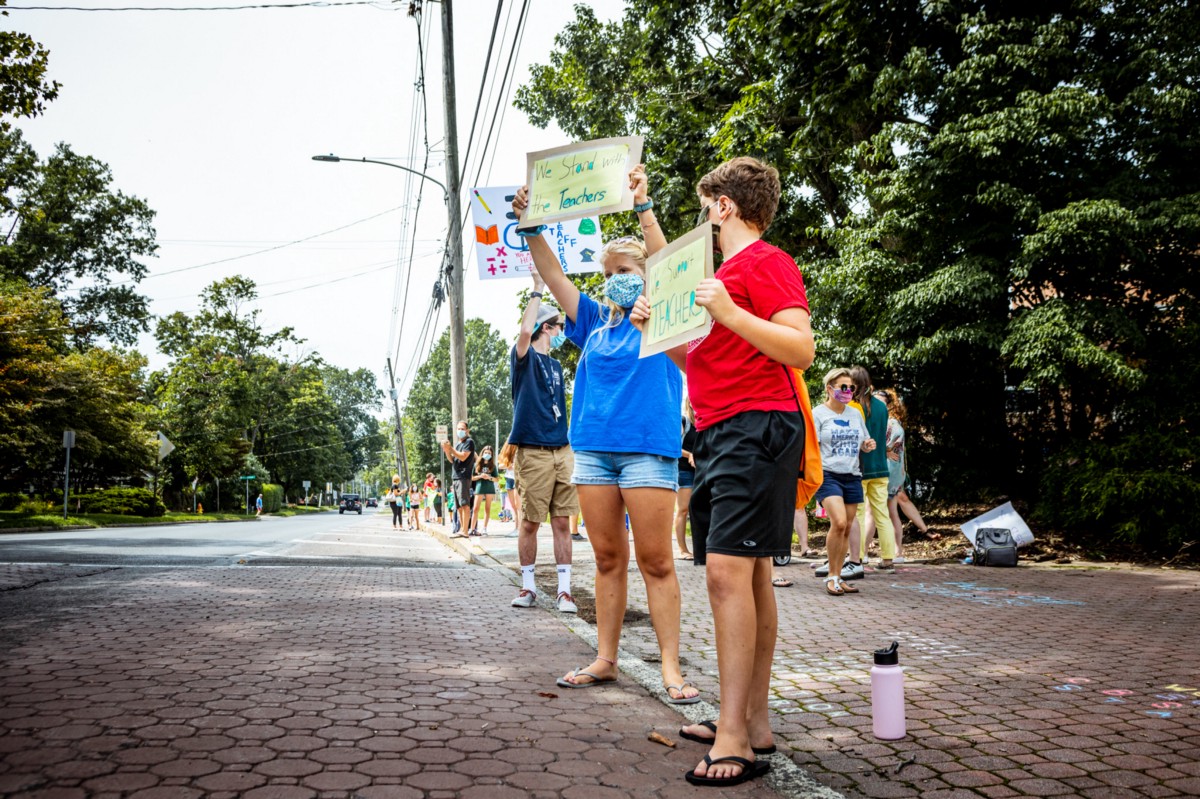
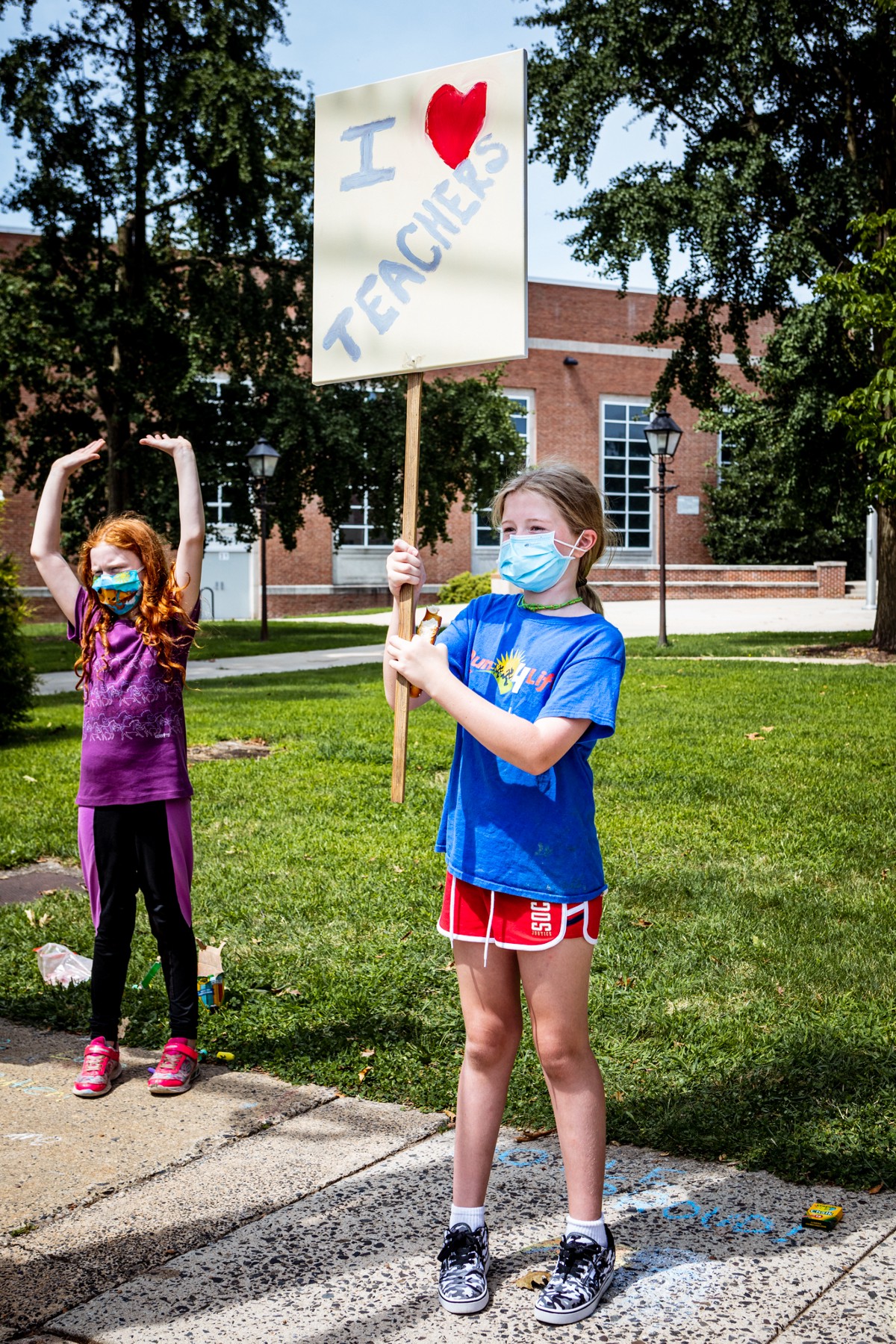
While angry, unmasked parents demonstrated against an all-virtual start to the school year because of Covid-19 outside the courthouse in the center of Doylestown, Pa., students gathered peacefully in front of the town’s high school to show their support for the Central Bucks School District’s teachers and staff. These are some of the images I captured of the student-led event.
A hard copy book version of Atlas Obscura sits on my home office desk. It serves as a reminder — inspiration, really — that the world around us is filled with an amazingness that twenty lifetimes could never experience. Like National Geographic, Outside Magazine, Ernest Hemingway, and Jimmy Buffett, Atlas Obscura feeds my wanderlust.
Atlas Obscura featured a photograph I created of The County Theater in Doylestown, Pa., in a story about historic marquees on their website.
That wanderlust dove below the surface today when I stumbled on an Atlas Obscura story about Marie Tharp. In the late 1950s, she combined her geology and oceanography expertise to give the world a more accurate look at the topography underneath the ocean. Tharp’s work and the maps she created were important pieces in the development of modern plate tectonic theory.
Painting of the Mid-Ocean Ridge with rift axis by Heinrich Berann based on the scientific profiles of Marie Tharp and Bruce Heezen (1977).
It struck me that so much focus on exploration today is on worlds beyond our terra firma. I’m guilty of it. Just this morning, I watched enthralled as NASA launched a second expedition to Mars.
Godspeed, Perseverance.
The world Tharp mapped is just as exciting and just as undiscovered as the worlds we send spaceships to explore.
Hundreds of protestors rallied on the courthouse lawn in Doylestown, Pa., this afternoon in continued support of racial justice. The rally was organized by the student-led organizations Bucks Students Demand Action and Youth 4 Unity.
Author: Mike Maney
Communication Advisor. Photographer. Former Calvin Klein Underwear Model. Hey, 2 out of 3 ain’t bad.
I was recently reading an interview with photographer Nathan Landers and it got me thinking: What would my images look like if I stripped them back, if I made them less about trying to achieve visual perfection and more about the story? So I went back into my catalog to give it a shot.
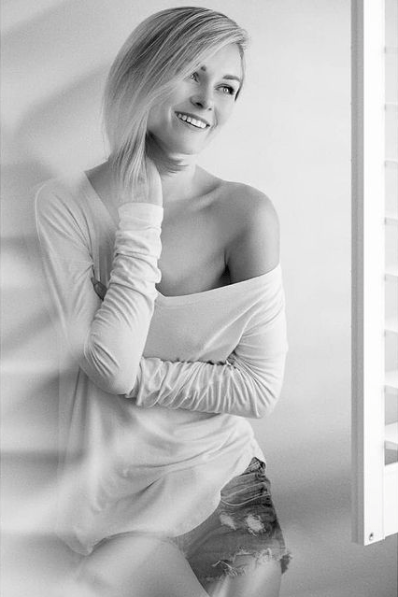
This is a series Jooj and I shot on a steamy summer morning in a creek behind her house. In the original images, the background was lush with green. But there’s something about the simpleness of black and white. There’s something about the return to the basics, to the days spent in a high school yearbook darkroom learning the craft beyond the click of the shutter.
“I love that grainy, out of focus imperfect look.” — Nathan Landers
Author: Mike Maney
Communication Advisor. Photographer. Former Calvin Klein Underwear Model. Hey, 2 out of 3 ain’t bad.
There’s a line in the movie “We Bought a Zoo” where Thomas Hayden Church says to Matt Damon, “I like the animals. But I love the humans.” Me too.
It’s what got me hooked on photography way back in high school. Working on the yearbook staff gave me an excuse for always having my camera with me. It allowed me to capture moments that otherwise may have been forgotten to time. I still have some of the prints I developed in the darkroom in a box in my office. And every so often I pull out one of the yearbooks I worked on to see my early images. It’s a humbling experience to see where I started and where I’m at now.
Those early years of taking natural light senior candid portraits of my classmates has grown into photographing CEOs, emerging models, actors, and actresses. My style has changed, and sweet-ghost-of-Maisel has my skill gotten better. What hasn’t is my desire and ability to see the person on the other side of the glass.
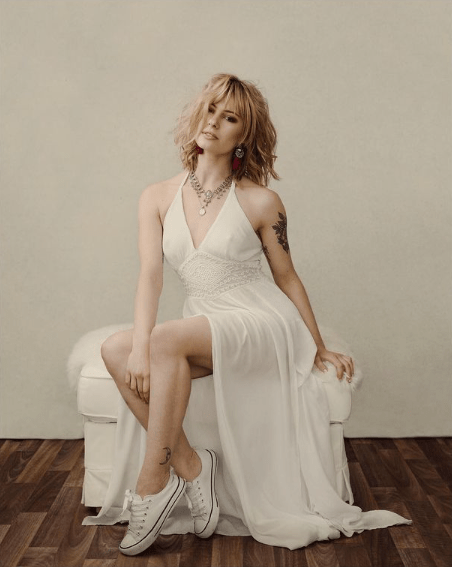
This image is one of several portfolio quality shots I created in collaboration with actress Amanda Livezey during a recent studio session. It was one of those shoots where editing down the great from the really good was incredibly difficult. But that’s part of the process, too. It’s not just setting up lights, dialing in settings, and clicking a button. It’s all the in between — the human part of what photography is about. It’s the back and forth collaboration with your subject, the instinct of knowing when to press the shutter, the need to wrap the shoot with the appropriate level of mood and energy, and then the ability to throw away shots others might think are great because to you they just aren’t great enough.
Through it all runs a constant current: a love of other humans.