This episode of “Bald Guys on Bikes” with pro cyclist Erica Zaveta was so much fun. She really does put the pro in pro cyclist. Brian Boger and I? Not so much a lot.
Author: Mike
-
Inspiring others by asking why, not what
I love this line in Chuck Freedman’s post about inspiration in developer relations on LinkedIn:
“What are your hopes and dreams for what developers can do with your platform?”
It’s subtle, yet profound. Asking what can people do generates a bulleted list of features. Asking what you wish people could see beyond those features creates excitement.
Think of this the next time you are building out your company’s next product announcement. Inspiring your customers, communities, and employees happens when you allow them to see why you built what you built, not just what you built.
-
Rock star teachers
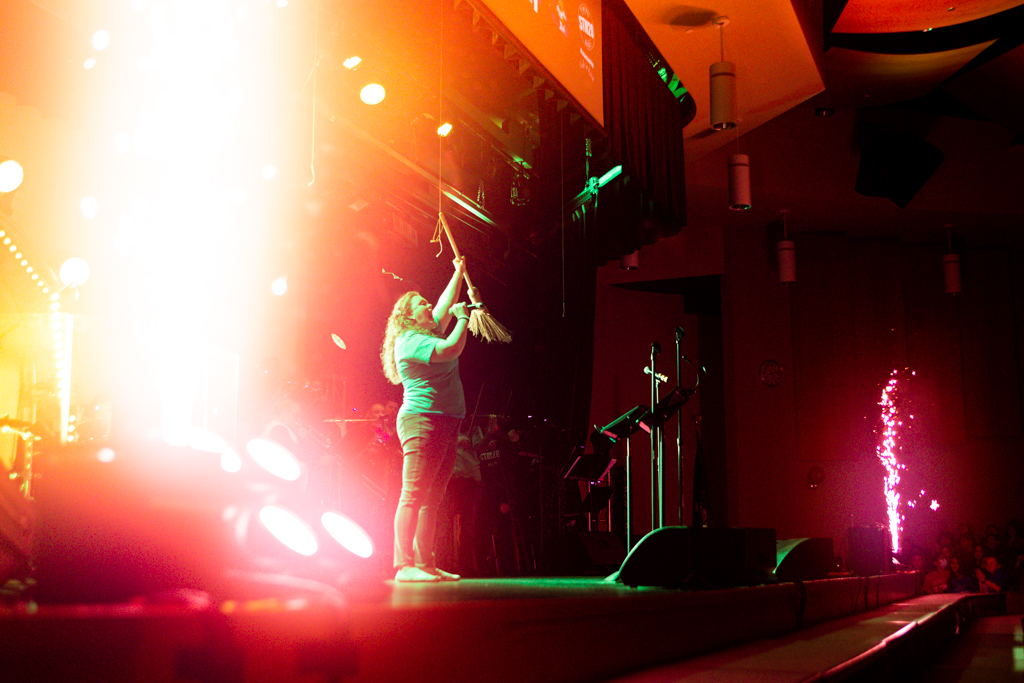
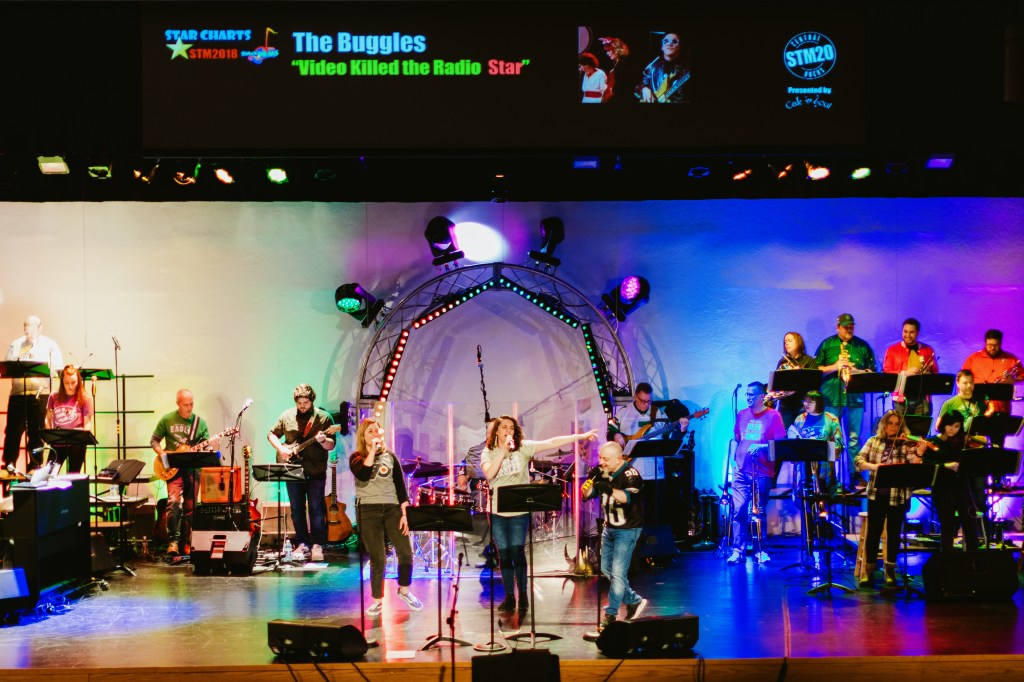
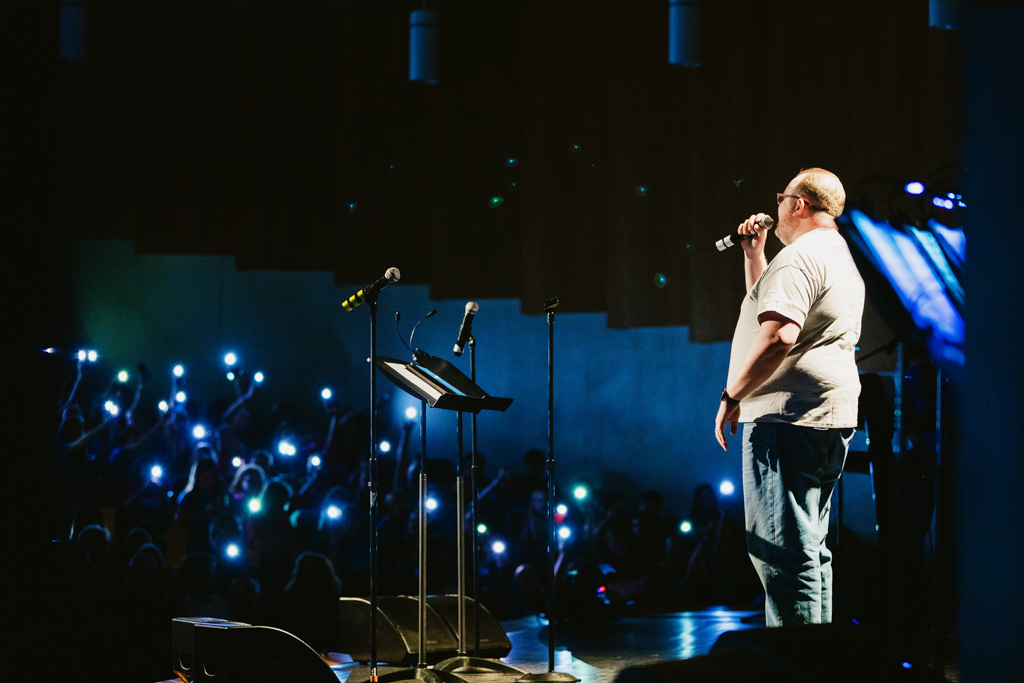
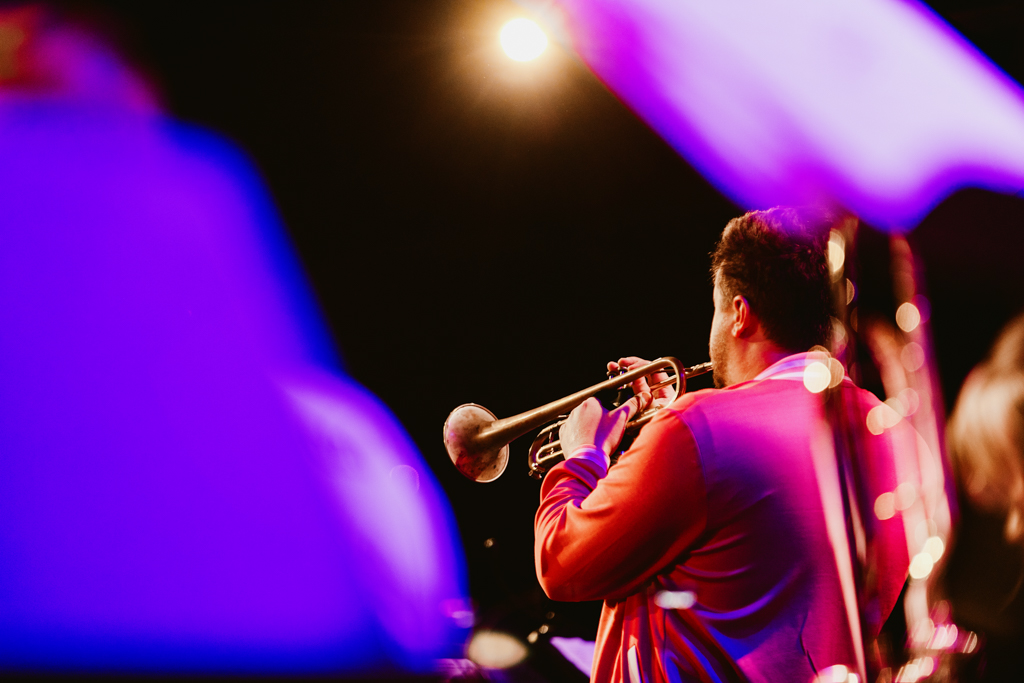
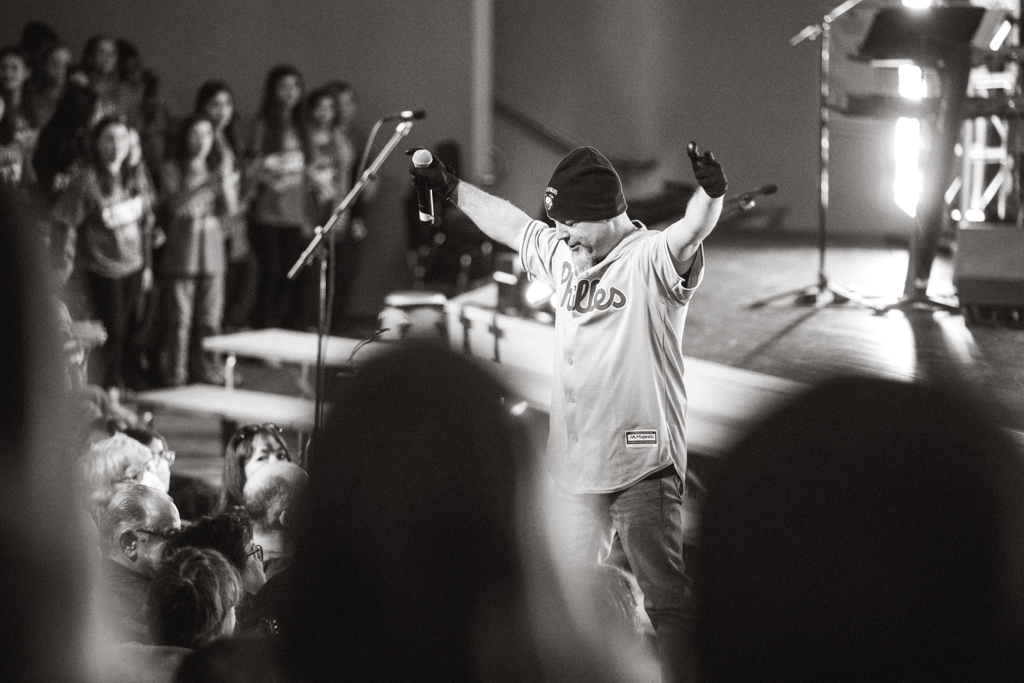
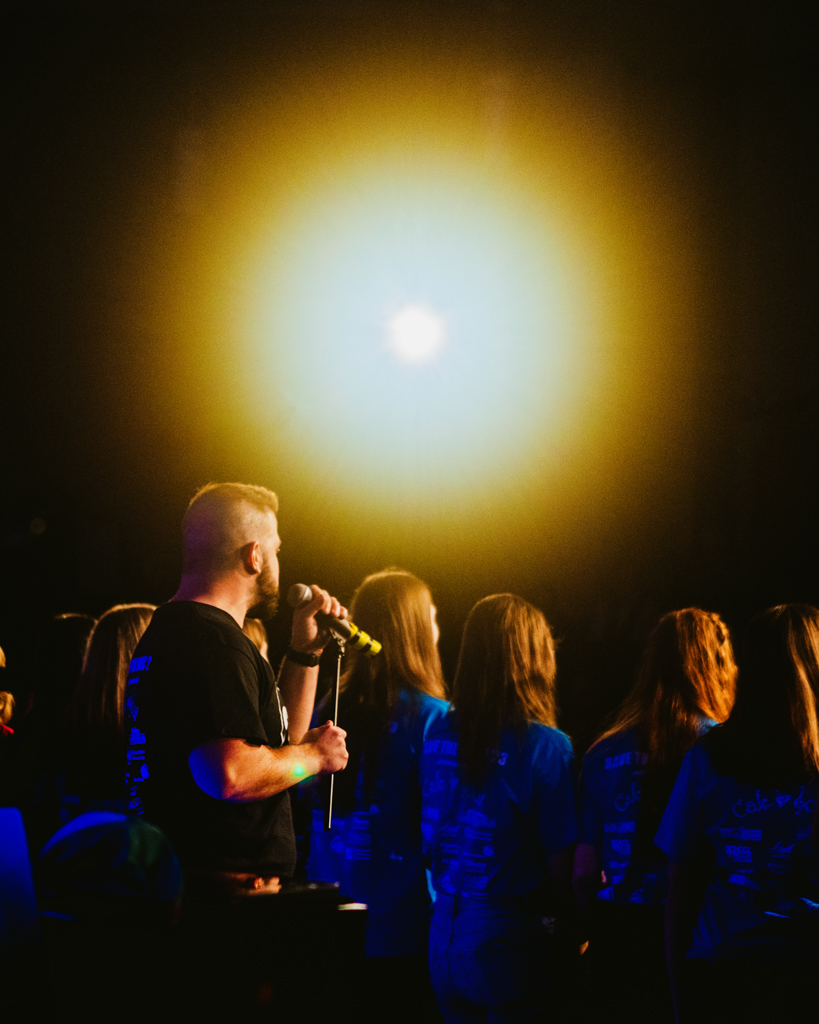
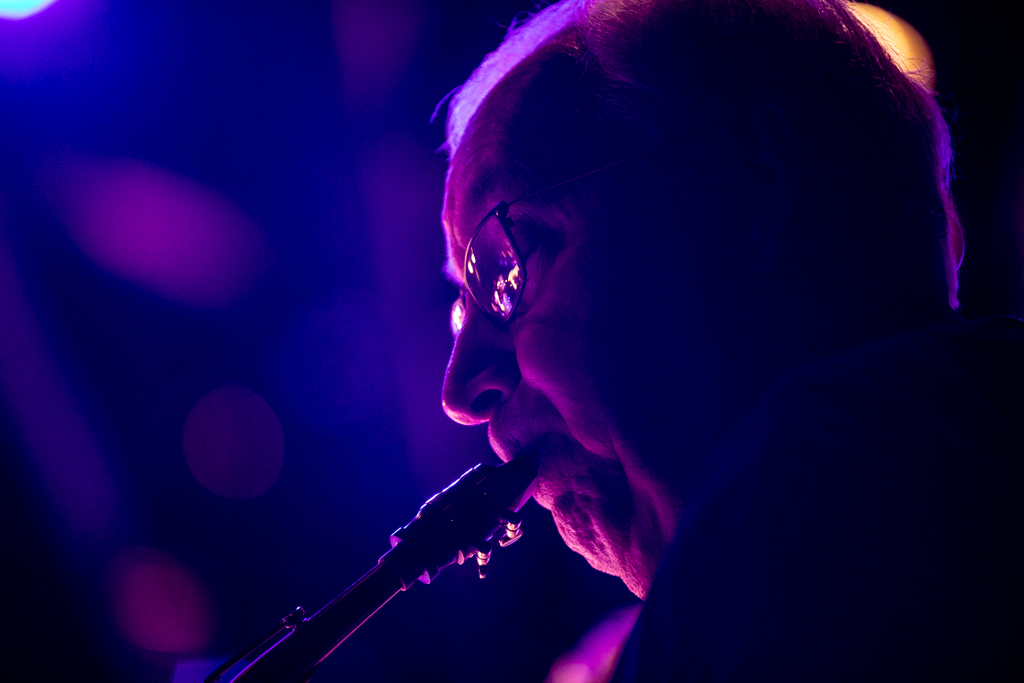
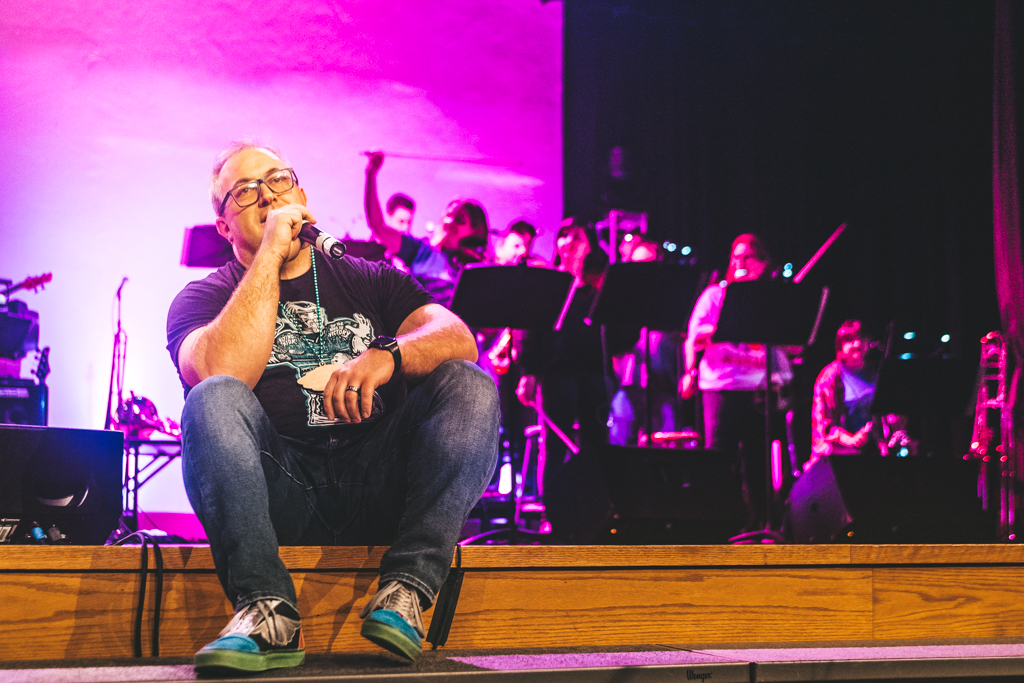
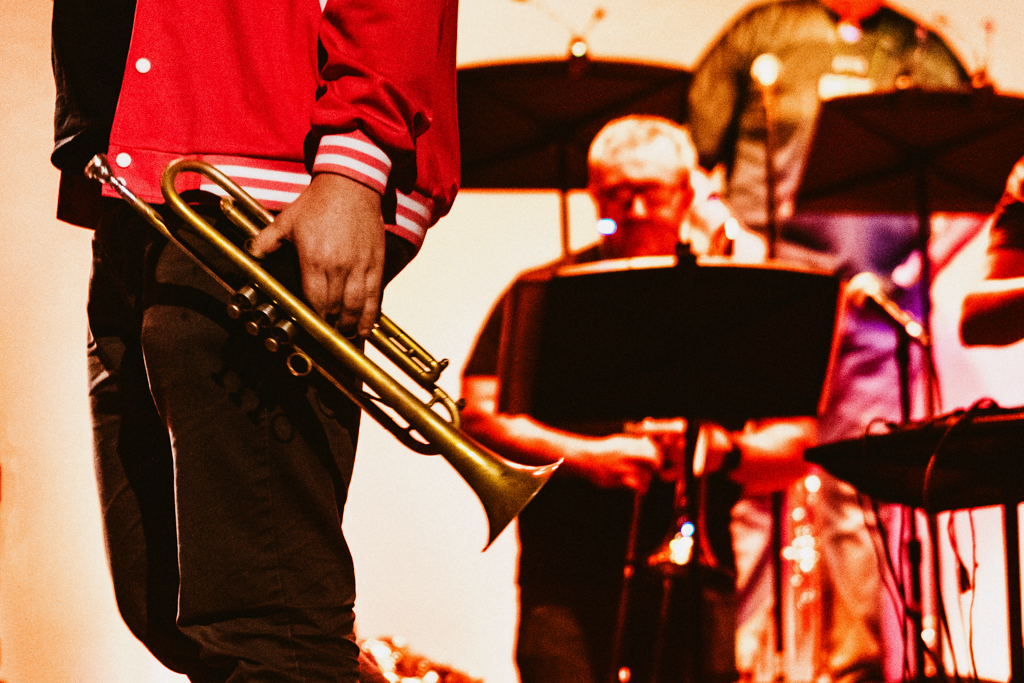
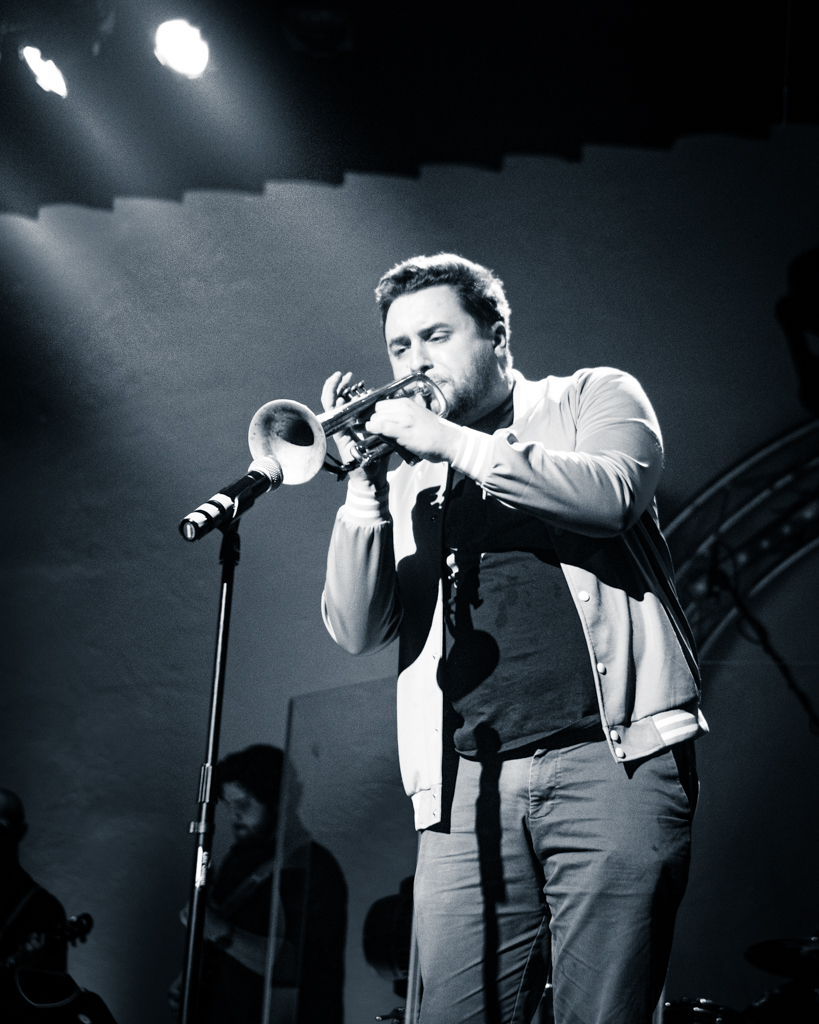
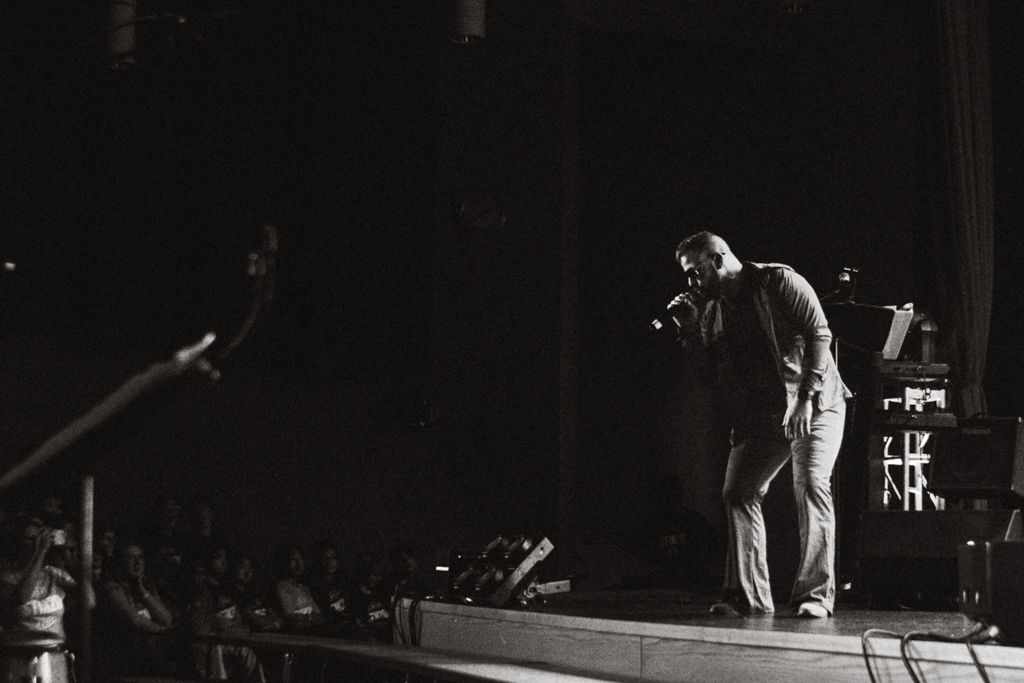
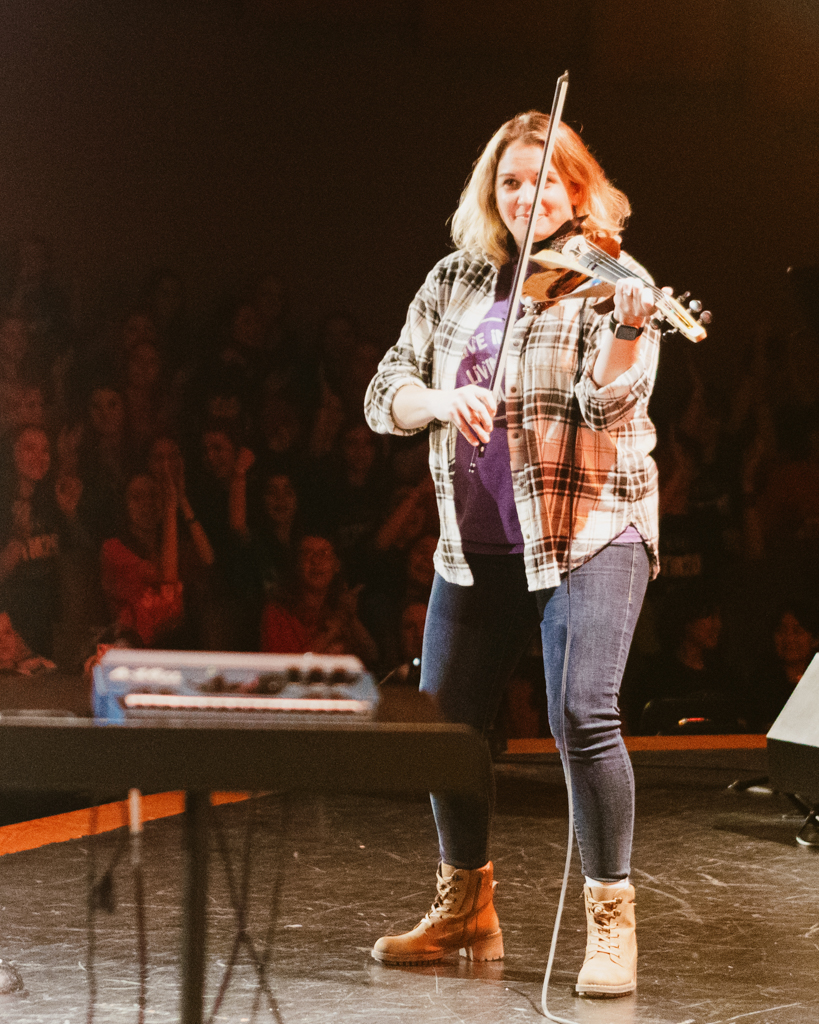
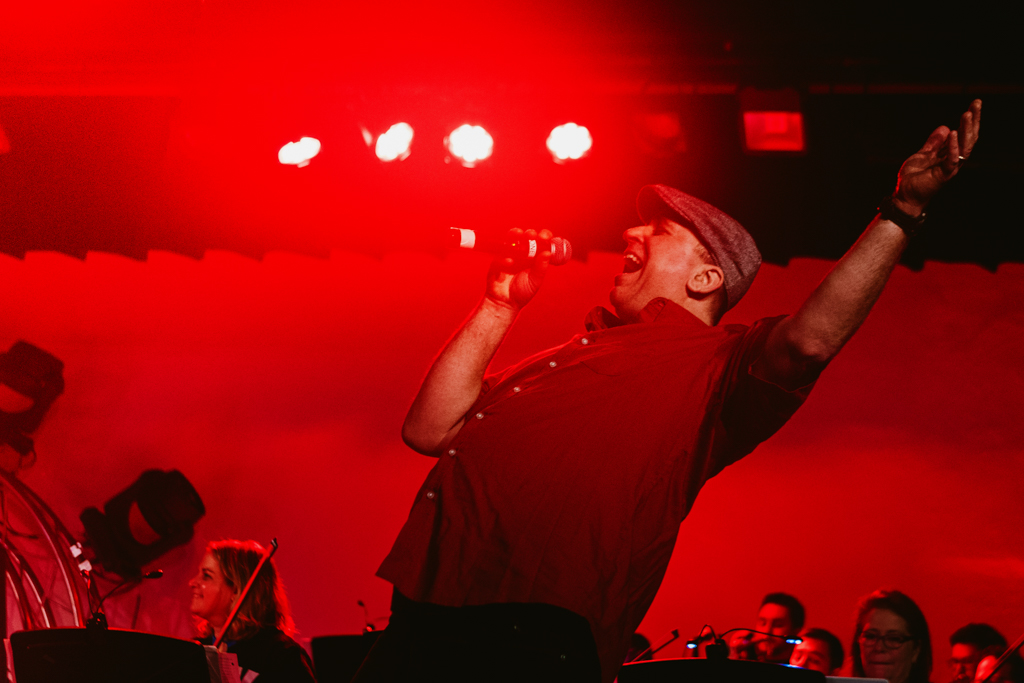
I’m married to a teacher. I get a front row seat witnessing how hard teachers work and how dedicated they are to their students — their kids. I have, on more than one occasion, used the phrase “rock star” to describe my wife and her colleagues. Once a year, I get to use that phrase in its literal definition.
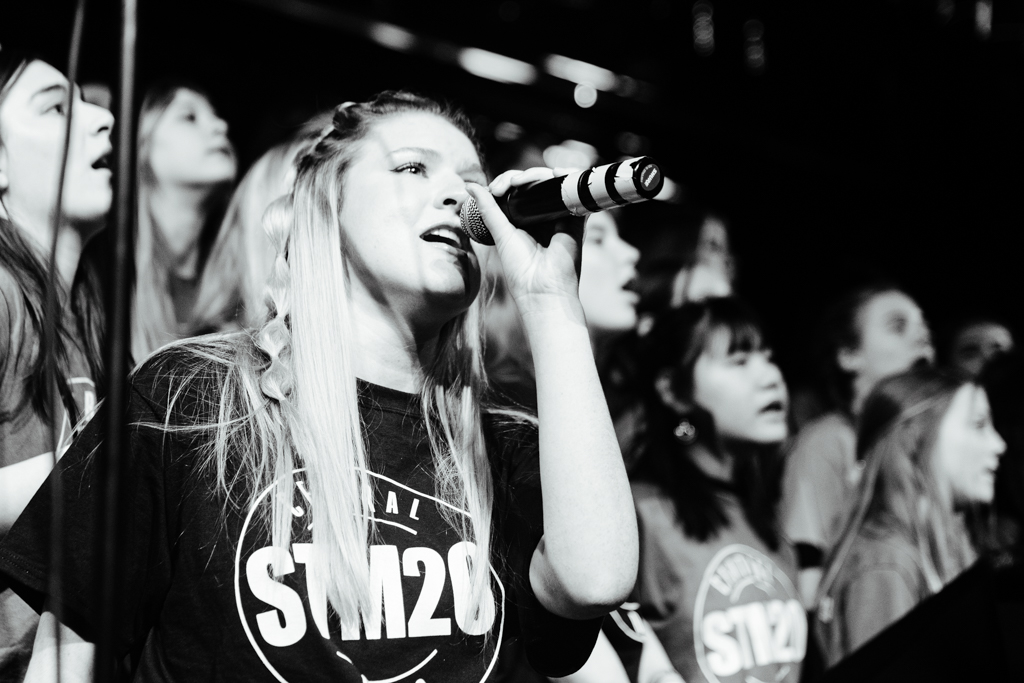
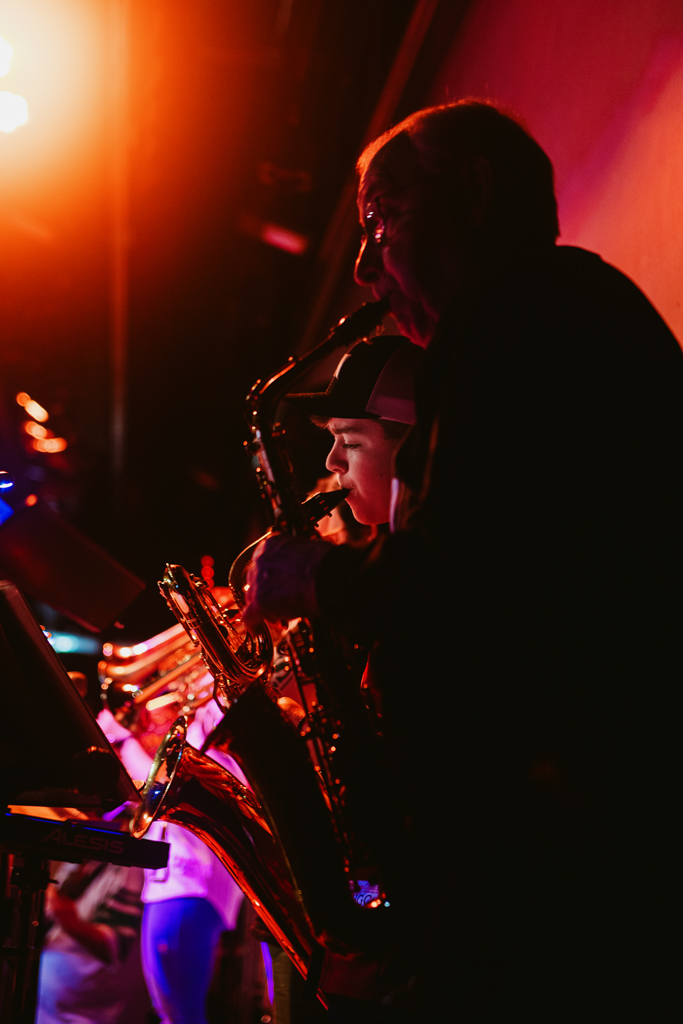
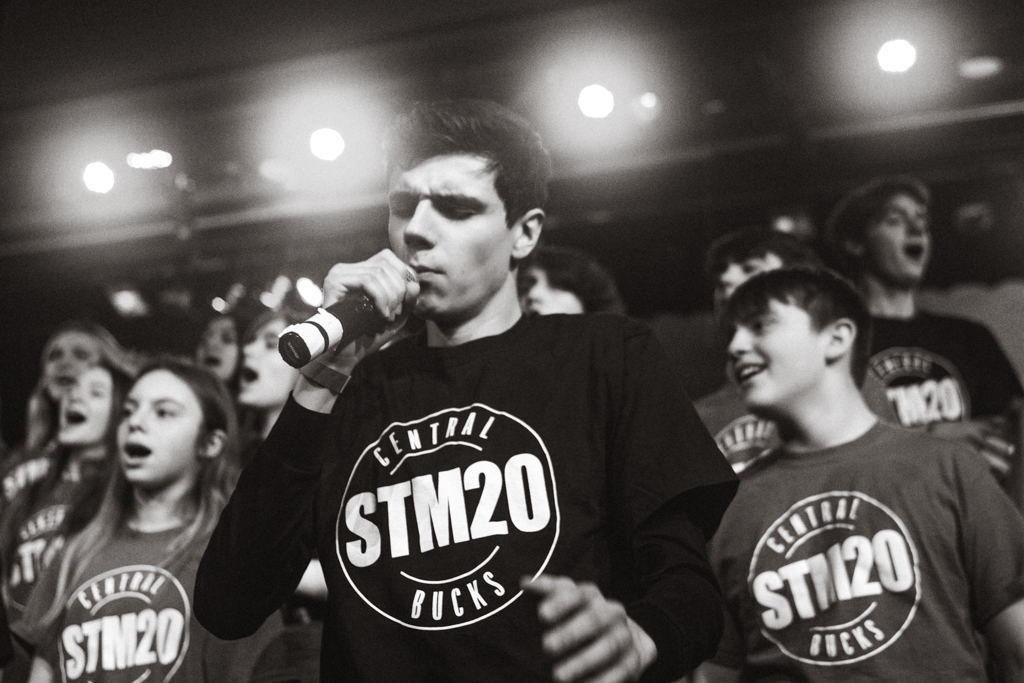
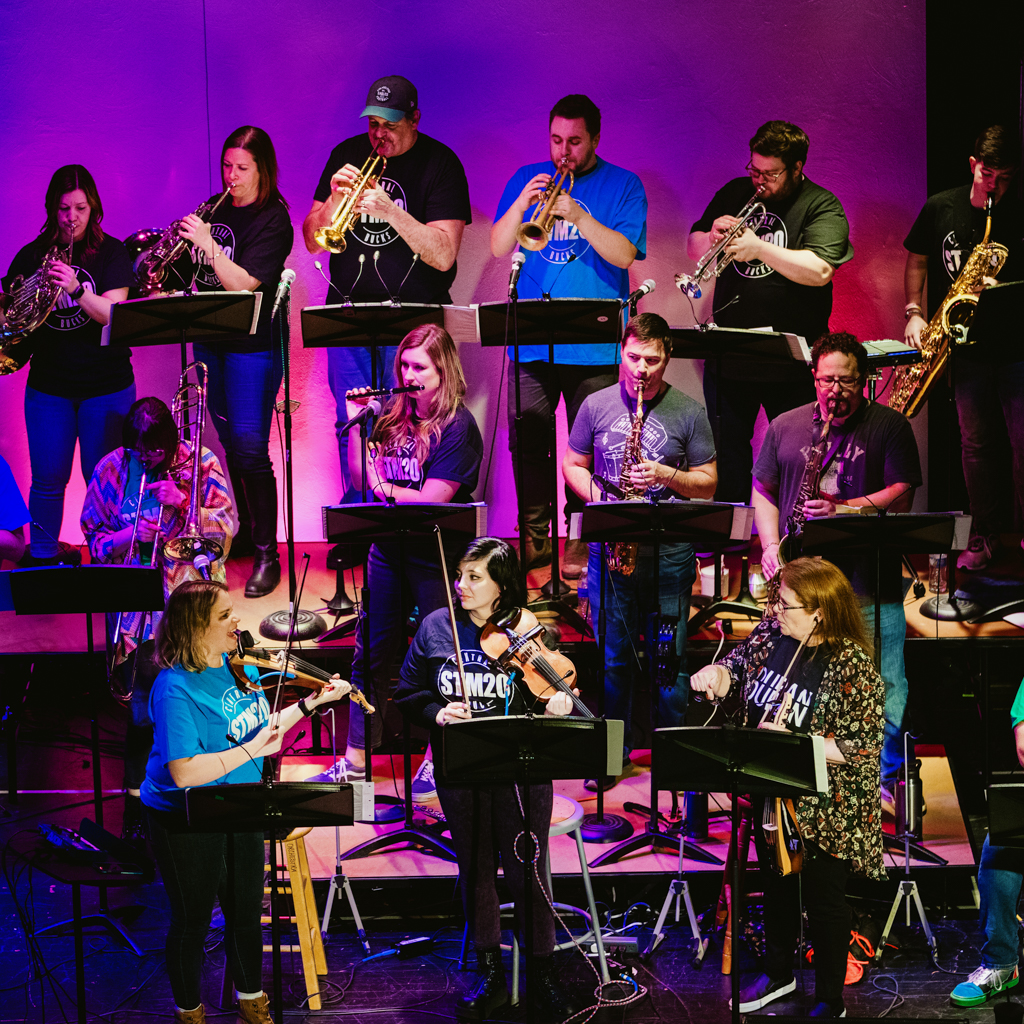
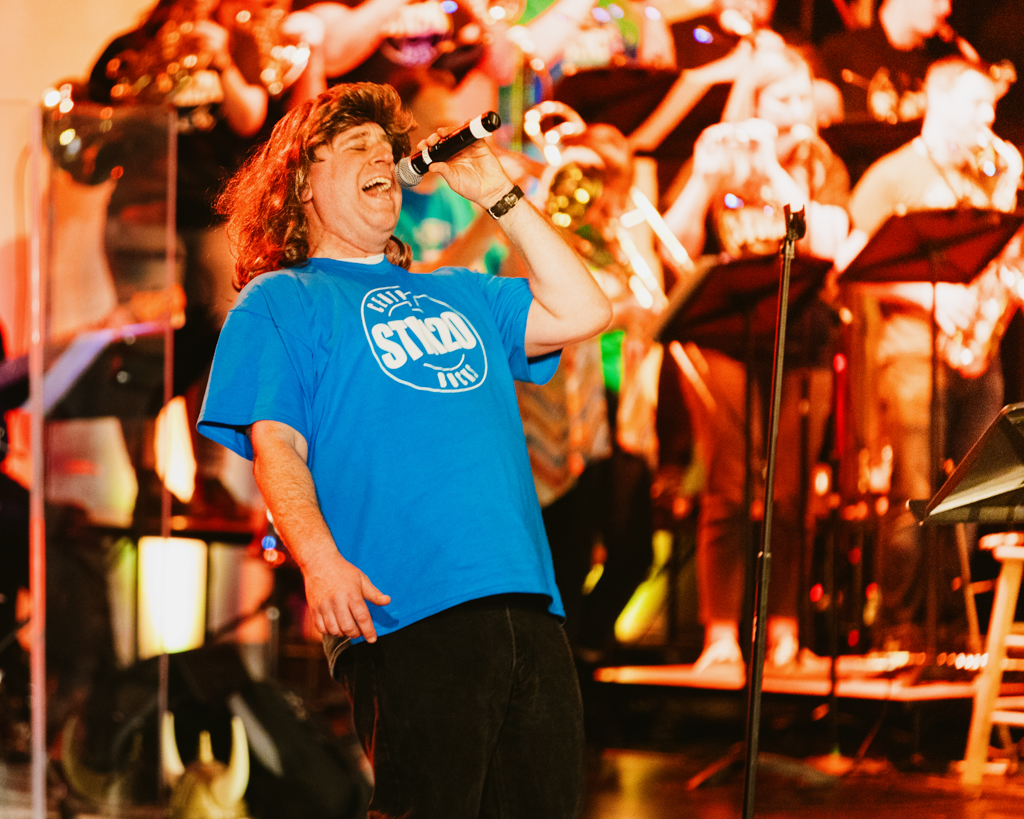
Because for the past two decades, the music teachers of Central Bucks School District in Bucks County, Pennsylvania, trade their classroom stage for the concert stage, talented musicians coming together to put on a performance that goes above and beyond their classroom commitments. What began as a simple recital with a small philanthropic element, has grown into an all-weekend, sold-out, four-show, two-and-a-half hour concert for students, community, and, ultimately, other school districts struggling to provide music programs for their own students. Oh yeah, that small philanthropic element has grown, too: the annual concert has raised more than $300,000 for the Save the Music Foundation, whose mission is to deliver equitable access to music education for millions of students nationwide.
The Save the Music Foundation is a nonprofit organization that was founded in 1997. Its goal is to ensure that music education is a core component of a well-rounded education for all children. The foundation operates in various communities across the United States, working to restore music education programs that have been cut or diminished due to budget constraints. A report from the National Association for Music Education found that between 2011 and 2014, nearly 90% of school districts in the United States experienced cuts to their music programs. This is a concerning trend, given the numerous benefits that music education can provide to students.
The foundation was created by John Sykes, the president of VH1 at the time. He was inspired to start the organization after he learned that many schools were cutting music programs in order to balance their budgets. Sykes believed that music education was an important part of a child’s development and he wanted to help ensure that children had access to it.
The foundation’s first major project was in New York City. In 1997, the foundation partnered with the New York City Department of Education to provide new musical instruments to public schools in the city. Over the next few years, the foundation expanded its work, partnering with school districts across the country to provide new musical instruments, professional development for music teachers, and support for music programs. In 2000, the foundation launched the “Adopt-A-School” program. This program allows businesses, individuals, and community organizations to support music education in a specific school by providing new musical instruments, funding for professional development, and support for music programs.
In addition to its programs, the foundation has also been a strong advocate for music education. The foundation has worked to raise public awareness about the importance of music education and has helped to promote music as a core component of a well-rounded education. The foundation has also been an advocate for music education at the federal level, working with policymakers to ensure that music education is a priority in the nation’s schools.
In recent years, a growing body of research has confirmed the numerous benefits that music education can provide to students of all ages. From improving academic performance to promoting social and emotional development, the impact of music education on students is significant and wide-ranging.
Studies have shown that students who participate in music education programs tend to perform better academically than their peers who do not. A report from the National Association for Music Education found that elementary school students who participate in music education programs score higher on reading and language arts tests than those who do not. Additionally, a study published in the Journal of Educational Psychology found that high school students who participated in music programs scored higher on standardized tests in both math and verbal sections compared to students who did not participate in music programs.
Music education can also have a positive impact on students’ social and emotional development. Participation in music programs can help students develop better teamwork skills, improve their self-esteem, and increase their overall sense of well-being. For example, a study published in the Journal of Research in Music Education found that participation in school music programs was positively associated with students’ self-esteem and their ability to work well with others.
Schools with music programs have an estimated 90.2% graduation rate and 93.9% attendance rate compared to schools without music education, which average 72.9% graduation and 84.9% attendance. Schools that have music programs have an attendance rate of 93.3% compared to 84.9% in schools without music programs.
The schools that produced the highest academic achievement in the United States today are spending 20% to 30% of the day on the arts, with special emphasis on music. ~ International Association for the Evaluation of Educational Achievement
Music enhances the process of learning. The systems they nourish, which include our integrated sensory, attention, cognitive, emotional and motor capacities, are shown to be the driving forces behind all other learning. ~ Konrad, R.R., Empathy, Arts and Social Studies
95% of Americans in a Gallup Poll believe that music is a key component in a child’s well-rounded education; three quarters of those surveyed feel that schools should mandate music education. ~ Gallup Poll, “American Attitudes Toward Music
Students of lower socioeconomic status who took music lessons in grades 8-12 increased their math scores significantly as compared to non-music students. But just as important, reading, history, geography and even social skills soared by 40%. ~ Gardiner, Fox, Jeffrey and Knowles
College-age musicians are emotionally healthier than their non-musician counterparts for performance anxiety, emotional concerns and alcohol-related problems. ~ Houston Chronicle
Research made between music and intelligence concluded that music training is far greater than computer instruction in improving children’s abstract reasoning skills. ~ Neurological Research, Vol. 1
Children’s Music WorkshopOver the past two decades, the Save the Music Foundation has had a significant impact on the lives of children and communities across the country. The foundation has provided new musical instruments to thousands of schools, provided professional development for music teachers, and helped to ensure that music education is a priority in communities.
This is why the CB Save the Music concert is one of my favorite events on the calendar. Not just because I get to hear great music and have the privilege of making rock stars look like rock stars, but because I know the power music possesses to impact a child’s life. Both of my daughters are products of the dedicated teachers that take that stage. Their love of music, whether Harry or Hayden, is a big part of who they are today. Every kid should have that opportunity.
Rock on, teachers. Rock on.
-
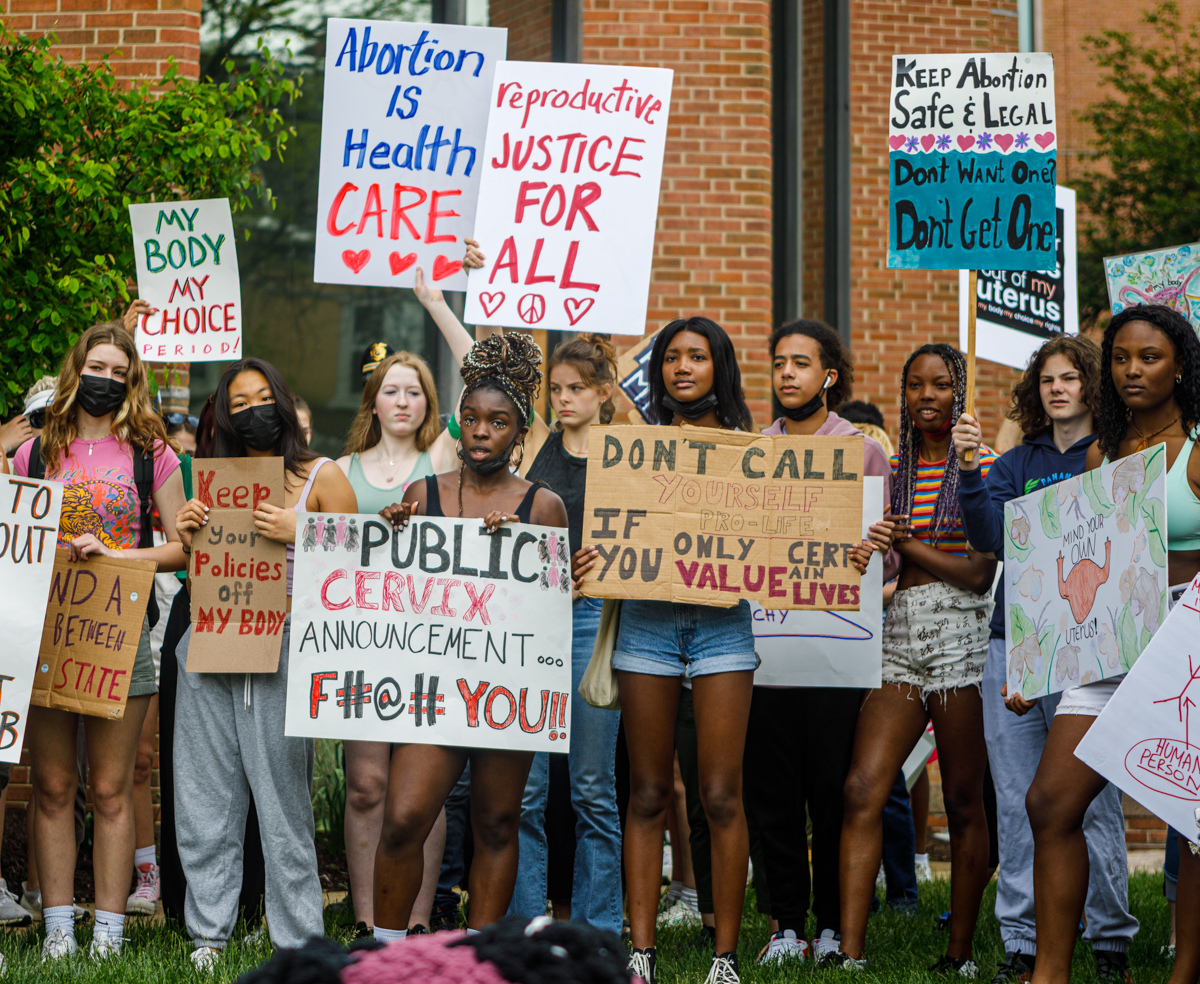
Protesting Policy 321
Yesterday, Central Bucks School District teachers and students protested Policy 321, a controversial rule enacted by the school board that bans teachers from talking about or displaying decor that advocates for “any partisan, political, or social policy issue.” The ban includes the display of Pride flags.
I was able to step out to record the protest, doing my small part to give voice to this issue and fight against the ignorance and hate that has permeated this once model school district.


-
The signs don’t lie
Stumbled across this article in Digital Camera World highlighting some of the iconic destinations around the world that don’t allow — or heavily frown upon — travelers taking photos. I’m pretty good about doing my research into local customs before we travel and try to play by the rules. But sometimes an image appears in front of you that you just can’t help but capture.
with guards authorized to intervene if anyone is caught trying to take a sneaky shot.
6 tourist destinations around the world where you CAN’T take photos | Digital Camera WorldThe Crown Jewels in the Tower of London is one such place. Entering a dark room, you see the jewels in a glass case. You pass by them on a moving walkway. There are signs that instruct visitors that no photos are allowed. I took — mistook — this as a standard “no flash photography allowed” suggestion. It was not a suggestion. And it did not limit itself to flash photography. Nope.
I fired off a single hip shot as I passed. The Queen’s guards were waiting for me at the end of the human conveyor belt. A hand was placed upon my shoulder.
“Sir, please show me your camera. Sir, please delete the images.”
I fumbled for the play and then trashcan buttons.
“Thank you, sir. Have a good day.”
(Photo below is not of the Crown Jewels. To see more from London, check out this gallery.)

-
Keeping a New Year’s Day tradition alive
When we moved into our house twenty years ago, we moved into a tight-knit neighborhood. Friday nights meant poker games. Halloween meant Liqu-‘or-Treat with bespoke cocktails at the end of each driveway for the adults. Over the years, what began as impromptu gatherings became traditions.
One of those traditions originated in St. Louis long before any of us opened the doors into our homes for the first time. For it was in St. Louis, that Bill and Janie Swenson first invited their neighbors to an open house brunch every January 1st to kick off the new year. We’d all straggle in throughout the day, timing often dictated by the intensity of the previous night’s festivities.
Inside, Bill worked the pan and spatula like a world class line cook making fried rice omelettes. Sesame oil and “Happy New Year” filled the air. A Bloody Caesar appeared in your hand. “Who’s next?” Bill shouts over the hum. And repeat…70 times.
Bill and Janie moved south, extending the tradition to their new neighborhood, leaving a New Year’s Day void in ours. But traditions are traditions for a reason. They are meant to be carried on, torches passed. Such was New Year’s Day 2023 when Jenn and I raised our hands (or forgot to duck) when that void needed to be filled. We tiptoed in with a deliberately small gathering. Only a fool would cannonball into the deep end of trying to tackle a 70 omelet production line on their first go.
We hit 18 omelettes. I’m confident we’ll work up to a Swenson’esque 70 over the next two decades.

-
Talking cloud with TFiR
I had an opportunity recently to chat with TFiR host Swapnil Bhartiya about the current state of the hyperscale cloud computing market.
-
The GOAT: Pelé
The period between life and death is filled with countless moments and memories. Most get lost in the voluminous noise of everyday minutiae. A select few — the big ones — become part of us.
For me, seeing Pelé on the pitch playing for the New York Cosmos in the late ‘70s is one of those big ones. As a young boy, I didn’t realize how seeing this legend play a sport I had yet to play would influence me. At the time, there were no soccer clubs in my school or town. You played football. The American kind. But watching Pelé sparked in me a love of the sport that, years later, led to Al Bundy greatness in high school, playing against a future three-time World Cup goalie, college recruitment, and many Saturday mornings on the couch watching the Premier League.
Rest in peace, Edson Arantes do Nascimento.

-
2022: My year in review
It’s time once again to look back on the things that made the days, weeks, and months on my calendar memorable this year. And what a year it was.
Let’s dive in.
As we rolled into 2022, I found myself neck-deep in behind-the-scenes planning to announce Akamai’s nearly billion dollar acquisition of Linode, where I served the past three years as global head of communications. It was exhilarating and exhausting. When the deal closed in March, I joined Akamai to lead communications for the company’s cloud and developer initiatives.
The announcement workload subsided once the deal was done. It was instantly replaced with a flood of transition and on-boarding work with the new company. It was a lot. A lot of work. A lot of challenge and opportunity. A lot of fun. But, still, a lot.
I needed a break. So I packed my carry-on and duffle bag and took flight on a three week exploration of southern Italy with my family. Because it’s not just the work part of our life that needs recharging. The commitment to doing and being the best we can be at the thing that pays us to do it requires harmonization with the commitment to be the best we can be at the thing that pays more than money ever could.
Off to Italy we went, spending the better part of July roaming around Rome, the Amalfi Coast, Naples, and Sicily. We walked amongst Roman ruins; viewed incredible artwork; jumped off a pier with locals to swim in the Tyrrhenian Sea; experienced Taormina and Cefalu before “The White Lotus” made them the next must-see destinations; watched steam rise from an active volcano; shopped and ate our way through local markets; and pushed the limits of human caloric capacity by ingesting copious amounts of pasta, mozzarella, octopus, arancini, cannoli, gelato, wine, and Aperol.

Early in the pandemic, we subscribed to the Kimmel Cultural Campus Broadway Series. 2022 was our second year as members, allowing us to see a great slate of performances: Rent, Hadestown, Beautiful, Les Miserables, and Tina.

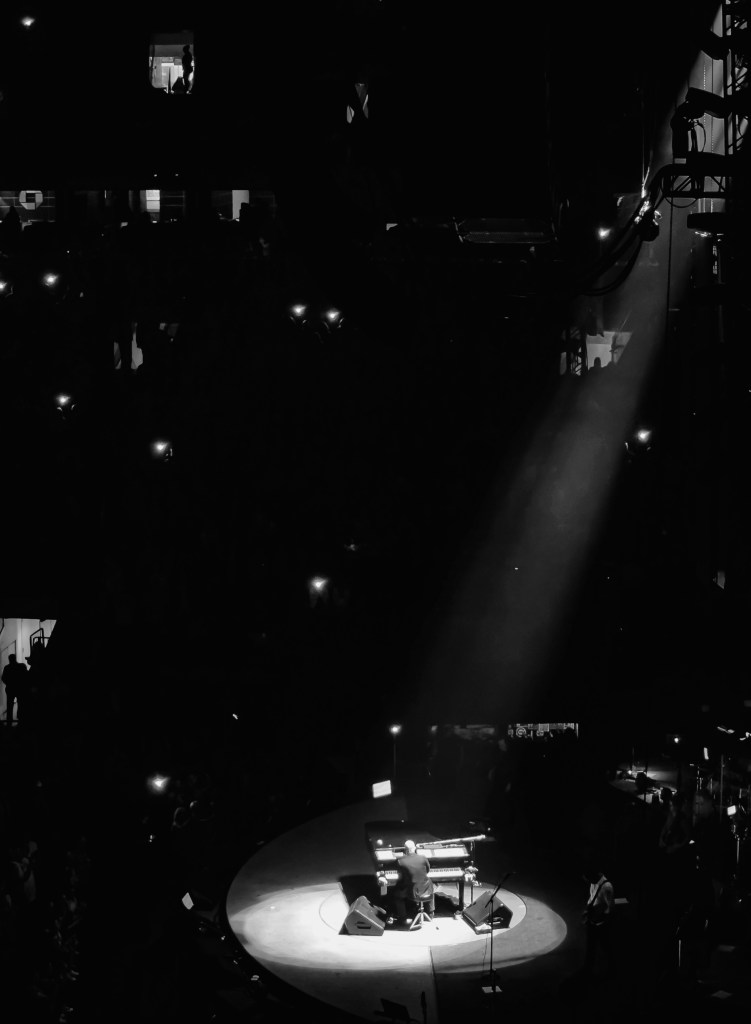
We also caught the Piano Man playing one of his sold-out monthly residence nights at Madison Square Garden. On paper, Billy Joel is getting up there in age; on stage, he’s still an energetic young man at the top of his game.
Not to be outperformed by Mr. Joel, my friend Brian and I went live with the first episode of a new YouTube series we’ve dubbed “Bald Guys on Bikes” where we shine a light on the people who make the wheels of the bike industry go ‘round.
We participated in democracy, joining others (including a future governor) in our small town to fight for basic human rights.

We took time to celebrate events big and small throughout the year: a friend kicking cancer’s ass, a college graduation, an 80th birthday, and my dad finally succumbing to his aversion of modern devices and buying a new iPhone (though mostly for the camera).

To cap the year off, we — together with a few close friends — adopted a barrel of grapes from the Yakima Valley and had the privilege of bottling our own wine.

And what’s a year in review without a few recommendations based on movies, books, songs, and television I discovered in 2022. Here are my picks for the best of the best this year:
Movies
- The Phantom of the Open
- Top Gun: Maverick
- Bros
- Hustle
- Elvis
Television
- A League of Their Own
- Abbott Elementary
- The Bear
- Our Flag Means Death
- Julia
Reading
- “Billy Summers” (Stephen King)
Music
- Maneskin
- “Only the Strong Survive” (Bruce Springsteen)
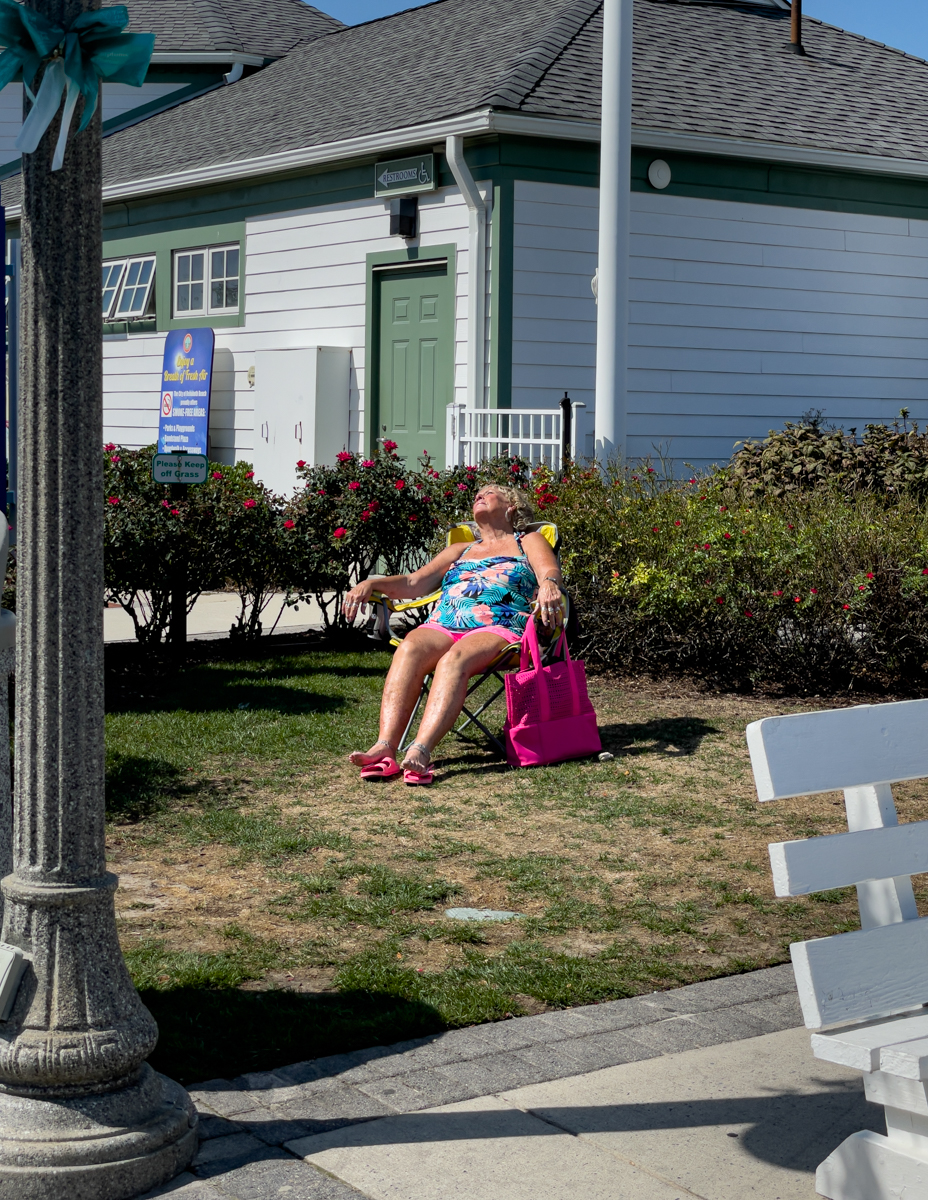
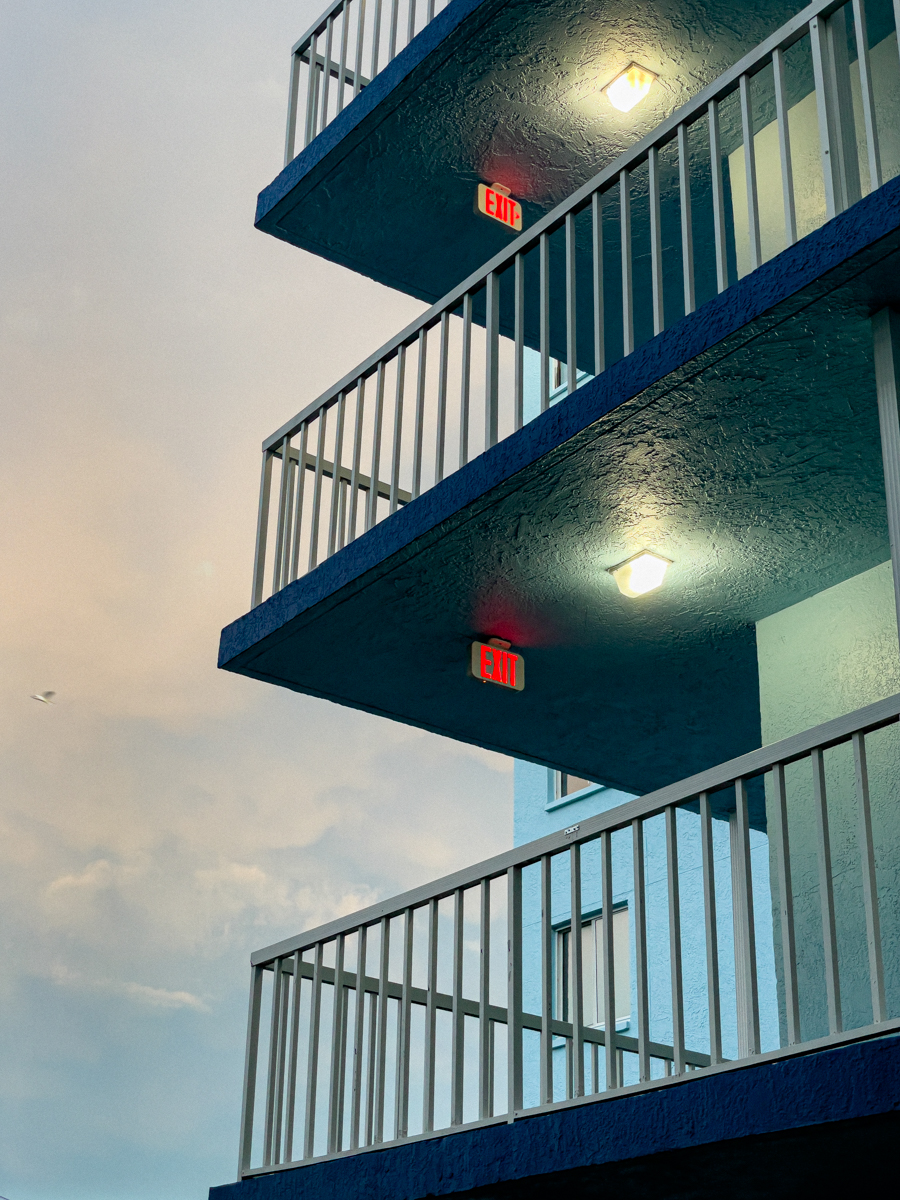
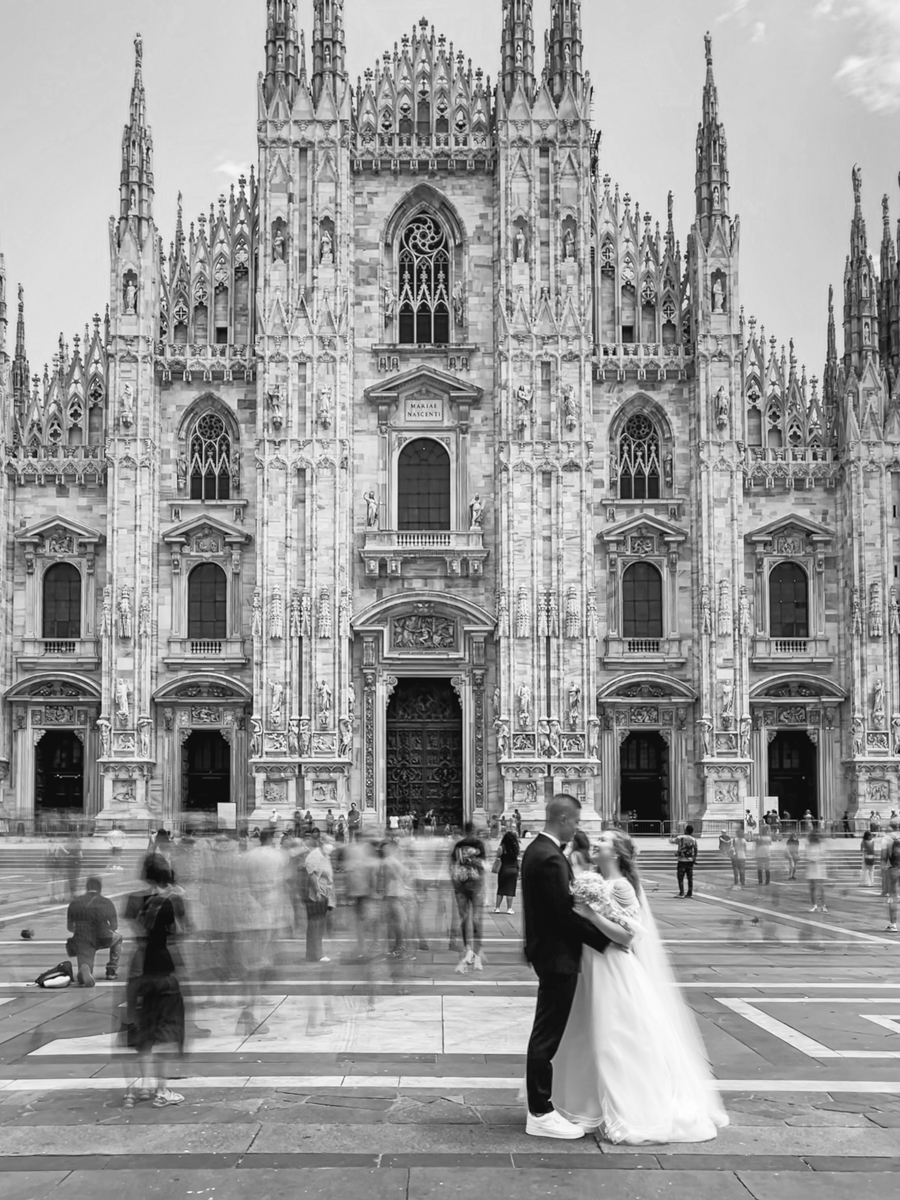
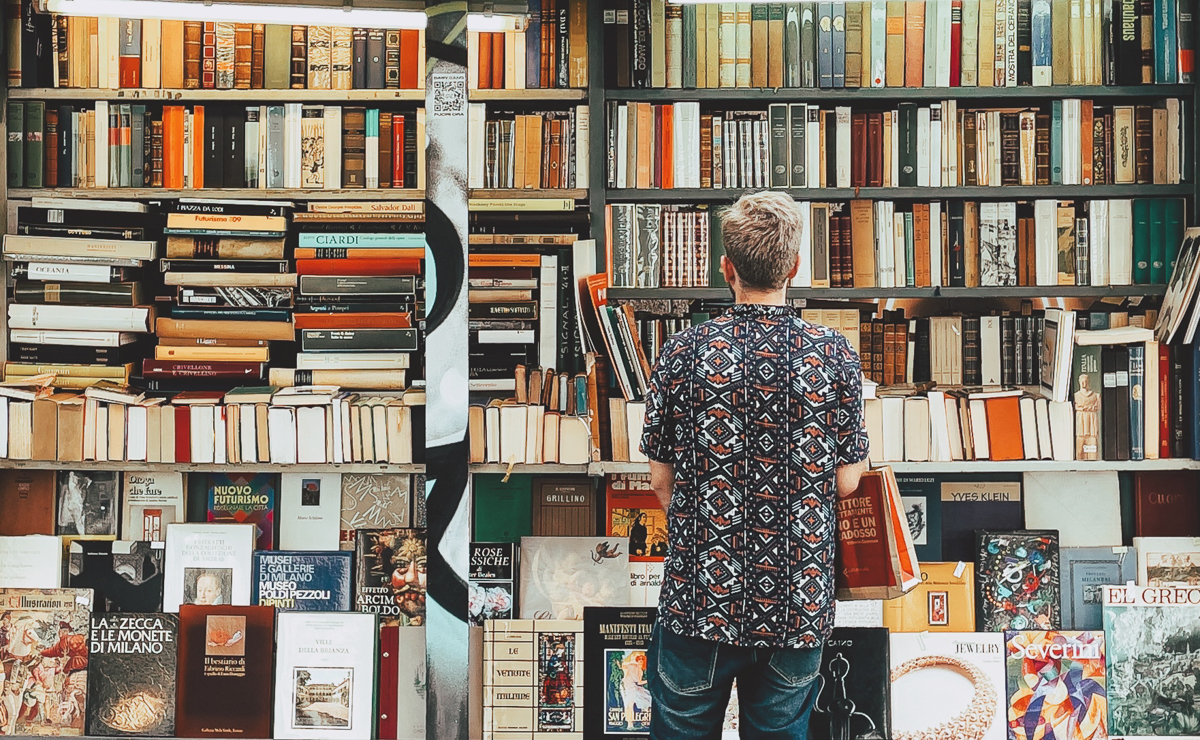
Lastly, a look at a few of my favorite images I created with my camera in 2022 (click the images to see them full size):













-
Bald Guys on Bikes: Episode 1 with Chris Meacham
A wise friend once imparted advice that has stuck with me: “Just say yes.”
I’ve done my best to live by that rule. It’s given me the opportunity to do and experience amazing things, and — since my friends have a habit of concocting some outrageously questionable ideas — it’s also given me the opportunity to do some really dumb things.
Case in point: My friend Brian, who owns a bike shop and has encyclopedic knowledge of bike history, shoots me a text and suggests the two of us host an interview series with pro cyclists, bike industry reps, the mechanics who make the wheels go round, and various other members of the cycling community.
Brian, I should point out, is one of those forces of nature that Makes Things Happen™. Start a bike shop in a small, southestern Pennsylvania town? Why not? Create and then direct a professional bike racing team? Go ahead. Open a second bike shop in the middle of a pandemic? Of course. Produce a documentary film that followed the journey of a local racer (and friend) diagnosed with brain cancer who endured life-saving surgeries to further endure and finish a legendary mountain bike race in Leadville, Colorado? Sure.
As you can imagine, saying no or I’ll think about it was not exactly an option.
So what do two follicly-challenged, lantern-rouge-carrying ham-and-eggers like us do? We reach out to the fine folks at GoPro who set us up with a Hero10 camera and creator kit, and ask our friend Andy Jarin and his crew at B&B Beverages in Doylestown, Pennsylvania, to hook us up with cans of liquid gold. Then we put the GoPro on a tripod, cracked open the craft, and started inviting folks to join us in fun conversation.
The first episode of “Bald Guys on Bikes” went live this week. Brian and I suckered in, I mean, sat down with Bike Works p/b Fred Beans elite athlete and BMC Ride Crew ambassador Chris Meacham to talk about racing the Leadville 100, hitting the gravel from atop his BMC URS LT One bike, a way cool company called Moosepacks, and the insanity of riding Pennyfarthings.
More episodes to come, so hit that subscribe button as the cool kids say.
 Mike Maney